Teaching nonfiction features beyond identification
Teaching nonfiction text features beyond identification
Nonfiction text features—headings, subheadings, images, charts, and captions—are essential tools for understanding informational text. Too often, however, our instruction stops at identifying these features rather than exploring how readers can actively use them to improve comprehension! Here are three strategies and lesson ideas for helping our kids go beyond identification, along with some interactive activities to reinforce each concept.

1. Using Text Features to Make Predictions
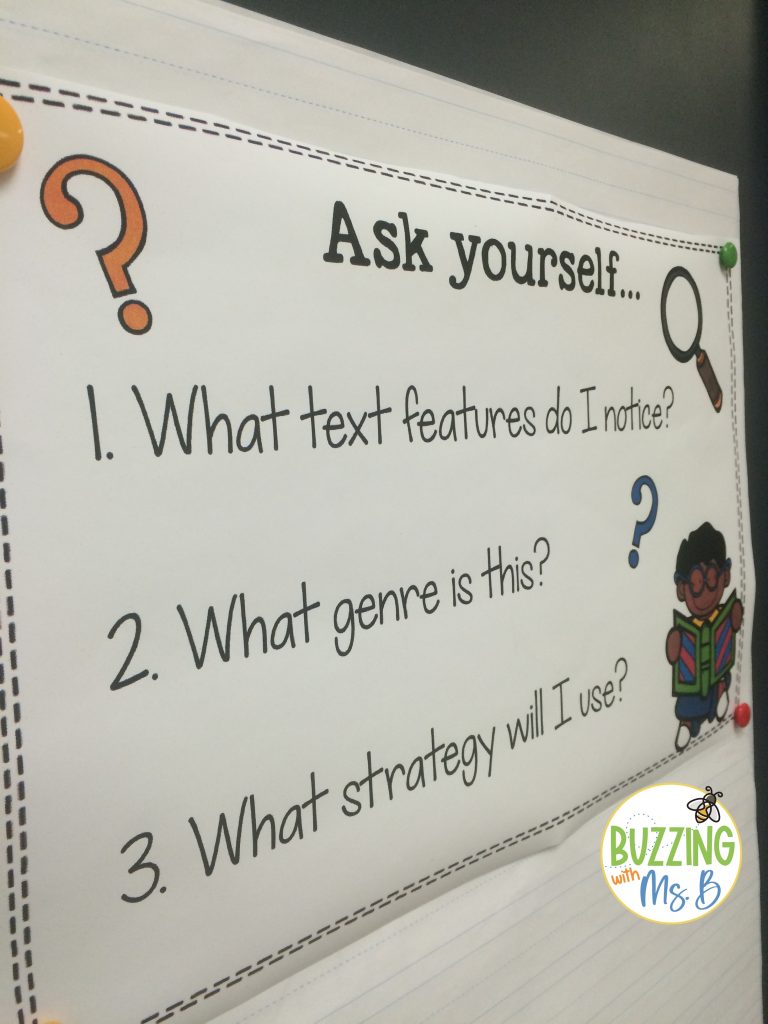
Teaching students to preview text features can help them predict the genre and the type of information they’ll come across when reading! By looking closely at features like headings, images, and captions before diving into the text, our students can set a purpose for reading and make educated guesses about the main topics or ideas they’ll encounter.
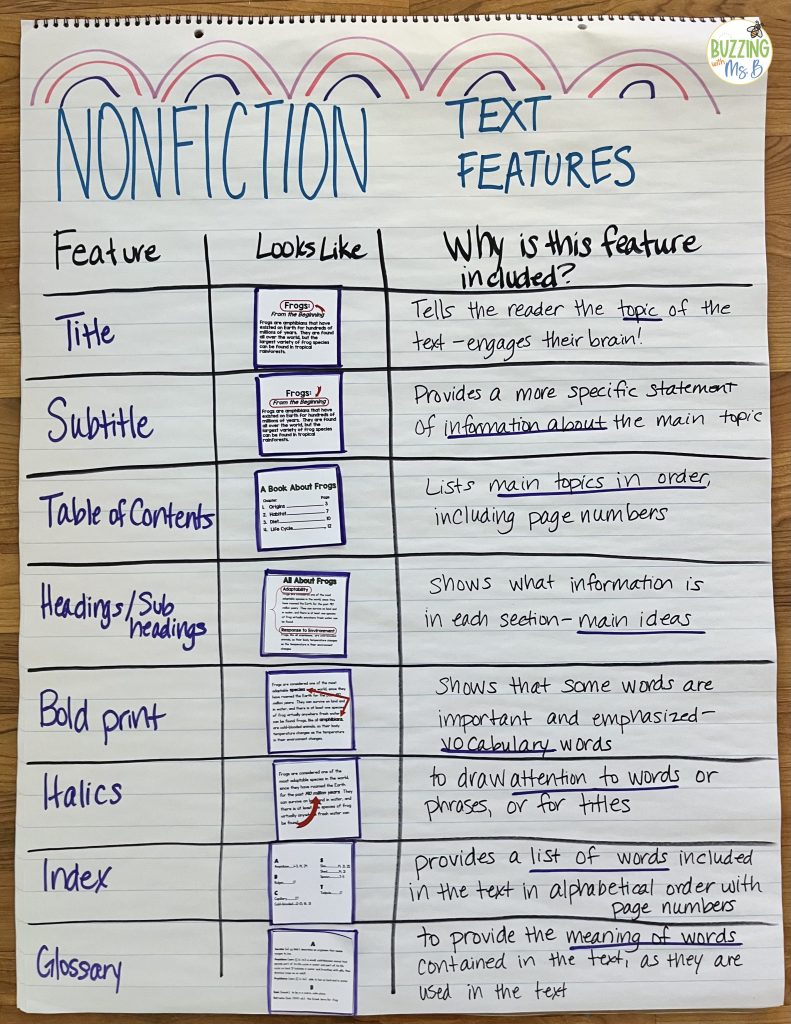
Lesson Idea: Create an Anchor Chart
Introduce students to the purpose of various nonfiction text features with an anchor chart. As a class, discuss why each feature is included in a text and how it can help with comprehension. To make it interactive, cut out examples from magazines, newspapers, or online articles, and add these to the chart. This visual guide will help students recognize the features and remember their roles as they read.
Suggested mentor text: How Hot is Lava by Kelly Smith

2. Locating and Organizing Information
Nonfiction text is often organized in sections to help readers locate information efficiently. Teaching our students to use headings, subheadings, and subtitles to organize and locate information allows them to read purposefully and extract essential details. This skill also supports summarizing, as students can quickly identify key sections and pull out relevant points.
Lesson Idea: Nonfiction Text Feature Scavenger Hunt
Hand out sticky note flags and a copy of the anchor chart to each student. Choose an article with a range of text features and set a timer. Have students search for the features in the text, marking each one with a sticky note flag and labeling it according to the chart. After the timer ends, ask them to go back and jot down information they gathered from each flagged feature. This activity encourages quick thinking and helps students recognize how features guide them to essential details.

Suggested mentor text: Hidden Wildlife by Jim Arnosky

3. Enhancing Comprehension with Visuals
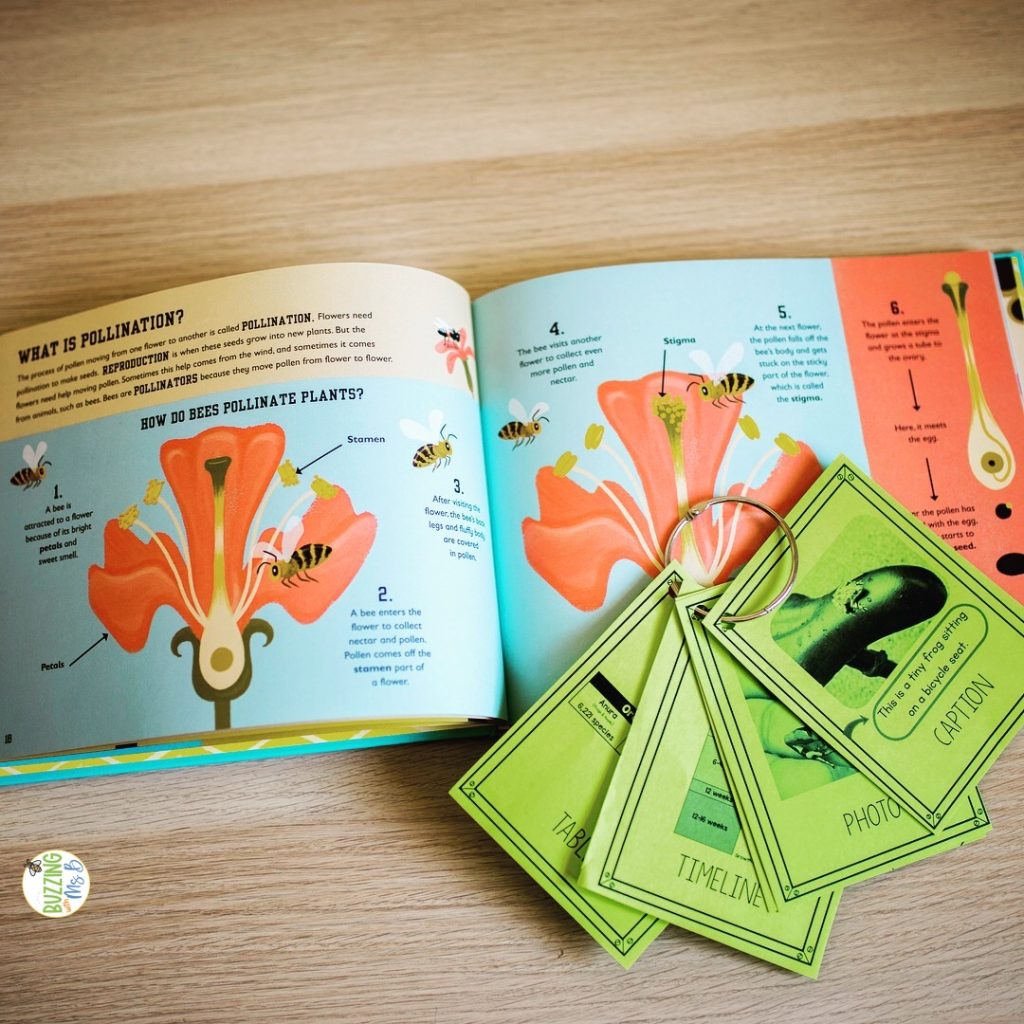
Text features often include visuals like maps, graphs, and photos that provide additional context or details beyond the written content. Students should understand how these visuals supplement the text and add depth to their understanding. By learning to interpret visuals, students gain a well-rounded comprehension of the material.
Lesson Idea: Gallery Walk with Enlarged Text Features
Print text features, like maps or graphs, on large posters and display them around the classroom. Divide students into small groups, assigning each group a different-colored marker. As they rotate through the posters, have them name each feature, describe what it adds to their understanding of the topic, and record their observations on the chart. This gallery walk encourages collaboration and lets students interact with text features on a larger scale, reinforcing how each element contributes to the text’s overall meaning.
Suggested mentor text: The Bee Book by Charlotte Milner

Bringing It All Together: Engaging Students with Nonfiction Features
To solidify students’ understanding, try a final activity using “nonfiction feature signs.” Give each student a sign labeled with a specific feature, such as “heading,” “caption,” or “chart.” As you read a nonfiction text together, students hold up their signs when they spot their assigned feature and use sentence stems to share what they learned from it. This practice reinforces how each feature contributes to the whole picture, promoting active engagement and comprehension.
Suggested mentor text: From Seed to Plant by Gail Gibbons

Incorporating these strategies and activities into your instruction will help students move beyond simply identifying nonfiction text features. By teaching them how to use these tools to enhance their understanding, you’ll empower them with skills that support independent, purposeful reading of nonfiction.
Grab the ready-to-go Nonfiction Graphic Organizers and Posters!
You’ll find sample nonfiction anchor charts, scavenger hunt graphic organizers, a nonfiction prediction guide and much more in my Nonfiction Graphic Organizers & Posters pack.

**Some links on this page are affiliate links**