
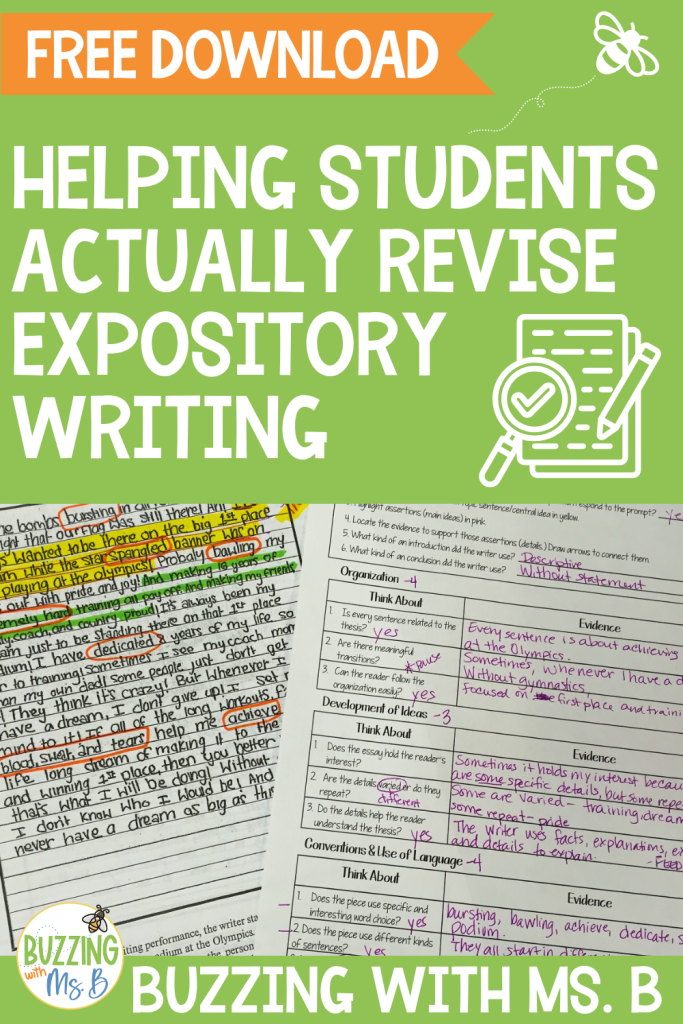
Helping Students Actually Revise Expository Writing (Free Download)
If you’ve ever asked students to revise expository writing and watched them fix spelling… then turn it back in unchanged, you’re not alone!
For many students, revision feels confusing and overwhelming. They don’t know what to revise or how to make their writing better, especially in informational writing.
That’s why I created this free Expository Writing Revision Guide, to help students revise expository writing with purpose, clarity, and confidence, and not just edit for conventions!
Why Students Struggle to Revise Expository Writing
Most students think revision means:
- correcting spelling and punctuation
- rewriting the same sentence neatly
- adding a random fact somewhere
What they don’t naturally do is:
- rethink how clearly ideas are explained
- reorganize information
- strengthen introductions and conclusions
- add meaningful elaboration
Effective revision requires students to step back and evaluate their writing as a reader, not just a writer.
This guide teaches them how to do exactly that!
A Clear Process to Revise Expository Writing
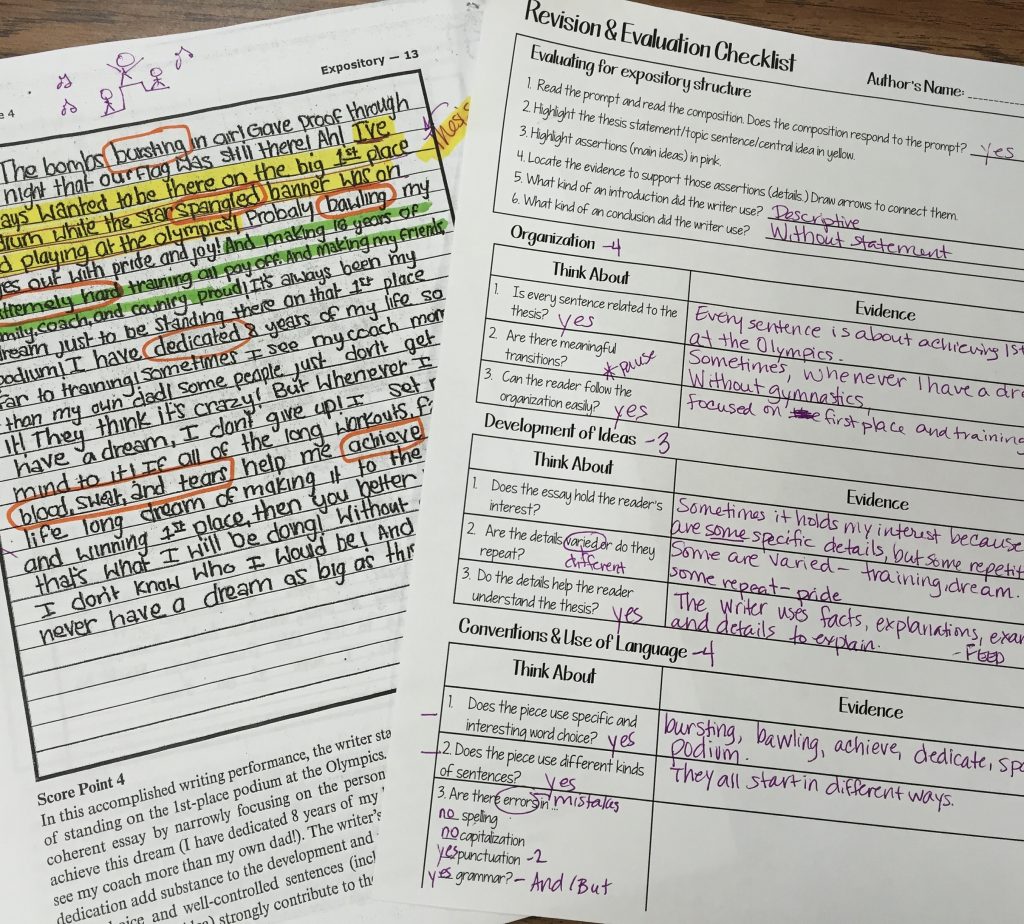
Instead of a generic checklist, this guide walks students through intentional revision in layers, helping them focus on one manageable aspect of writing at a time.
🟨 Step 1: Evaluate Expository Structure
Students begin by looking at the big picture.
They are guided to:
- reread the prompt and check whether the writing actually responds to it
- identify the central idea of the entire piece
- locate the main ideas that support that central idea
- connect supporting details to those main ideas
- reflect on the type of introduction and conclusion used
This step helps students revise expository writing for clarity and purpose, not just length!
🧩 Step 2: Revise Organization
Next, students focus on how ideas are arranged.
They are prompted to think about:
- whether each sentence connects back to the central idea
- how smoothly ideas move from one section to the next
- whether the reader can easily follow the structure
Students support their thinking with evidence from their own writing, reinforcing that revision decisions should be intentional — not random!
💡 Step 3: Revise the Development of Ideas
Then, once structure and organization are solid, students turn to idea development.
They reflect on:
- whether the writing keeps the reader interested
- if details are varied or repetitive
- whether explanations actually help the reader understand the topic
This step helps students revise expository writing by strengthening explanations, not just adding more information.
✏️ Step 4: Polish Language and Conventions
Finally, once meaning, structure, and development are addressed, students focus on conventions.
They examine:
- word choice and sentence variety
- errors that interfere with understanding
- spelling, punctuation, capitalization, and grammar
As this step comes last, students learn that editing supports meaning — it doesn’t replace it.
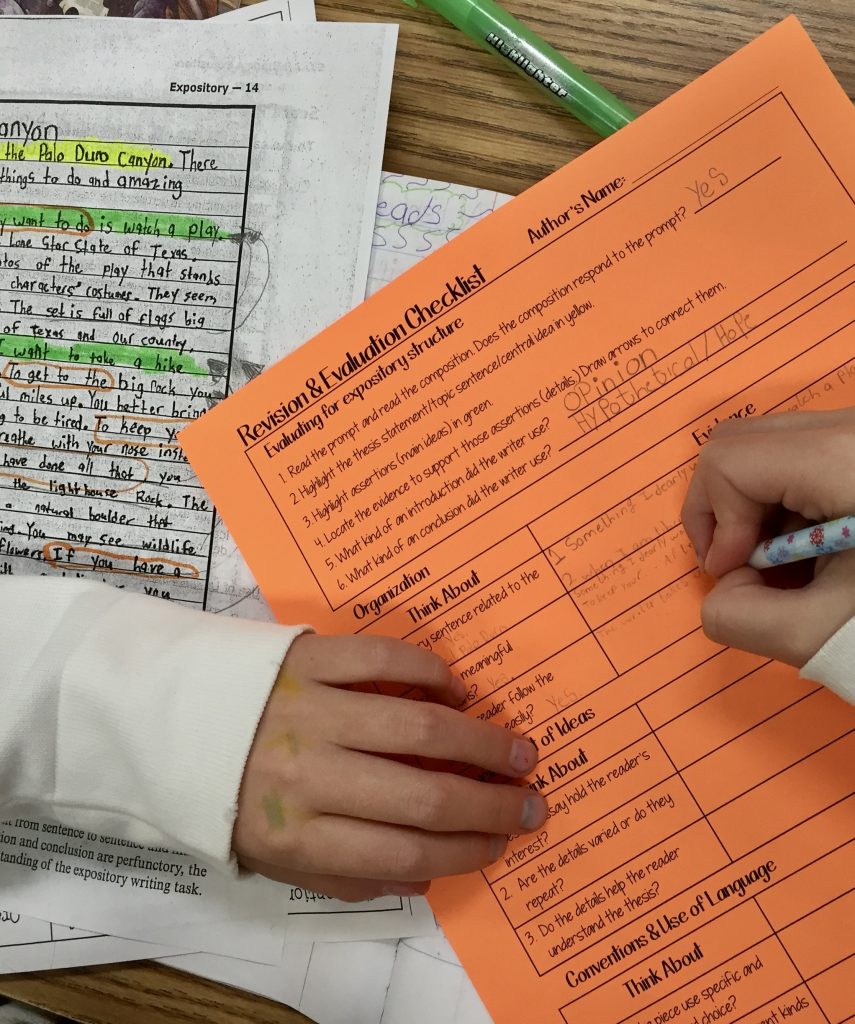
How I Use This Guide to Revise Expository Writing in the Classroom
This revision guide works well for:
- writing workshop revision days
- small-group instruction
- conferencing
- peer review
- intervention
- independent writing tasks
Students can use it independently or with support, and it’s especially helpful for teaching students how to justify revision choices using evidence from their writing.
What’s Included in the Free Expository Writing Revision Guide
When you download the free guide, you’ll get:
- a structured process to revise expository writing step by step
- student-friendly prompts that encourage deep thinking
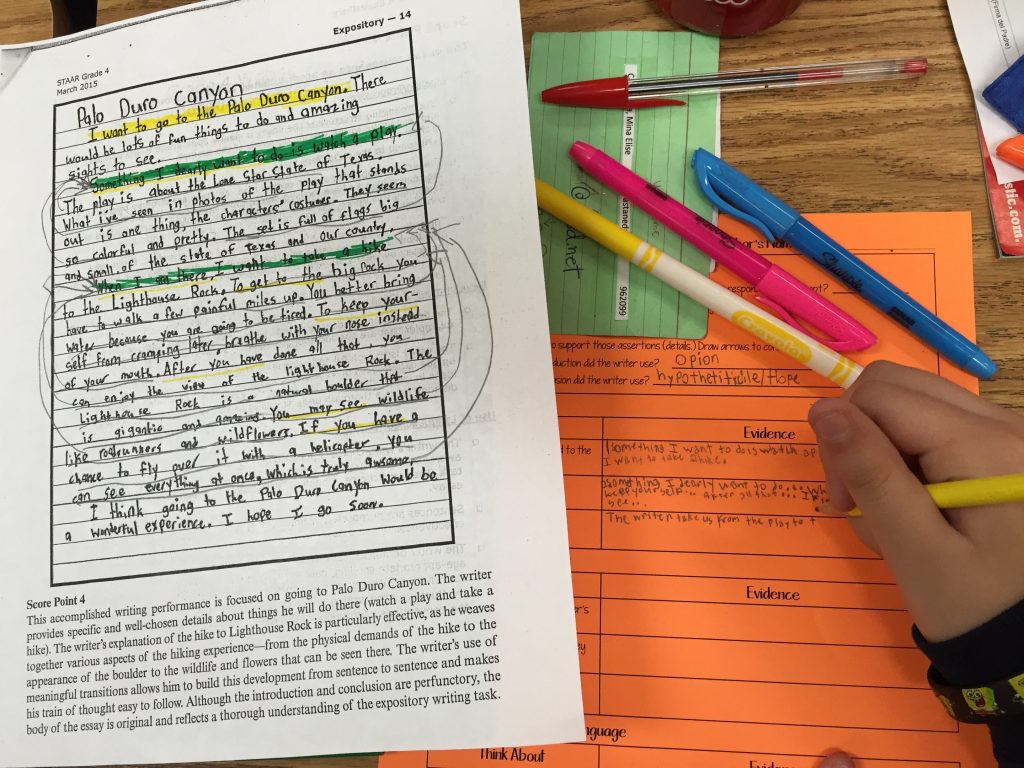
- space for students to cite evidence from their own work
- a tool students can reuse across multiple writing pieces
⬇️ Download the Free Expository Writing Revision Guide Below ⬇️
Want More Support for Revising Expository Writing?
If you love this free guide, then I know my Expository Writing Revision Guides are a good fit for you!
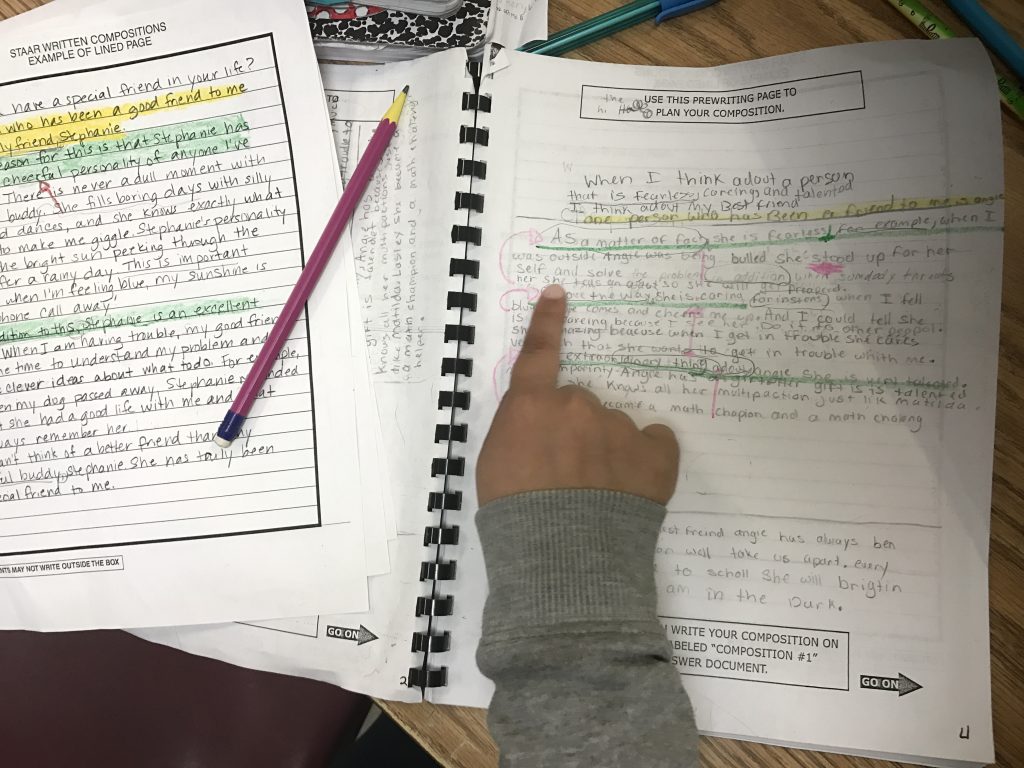
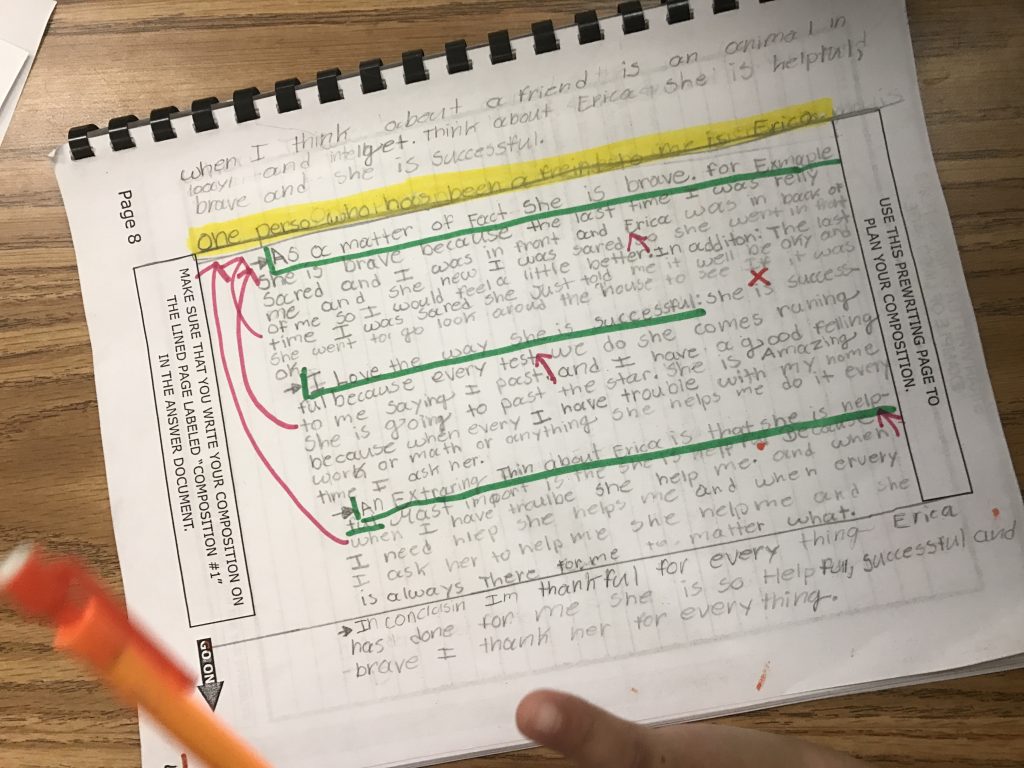
These expanded resources provide additional tools to help students revise expository writing with independence and confidence in grades 3–5, and include six writing samples and pictures in action

Get Your Free Guide to Revise Expository Writing
As we know, strong expository writing doesn’t improve by accident.
It actually improves when students are taught how to revise expository writing with intention, evidence, and clarity.
And, this free guide gives them the structure they need to do exactly that.


