Powerful Mentor Sentences to Teach Punctuation
Punctuation can be tricky for students, and even experienced teachers know it takes careful modeling to make it stick. Instead of jumping straight into error correction, it’s often more effective to start with mentor sentences—strong examples from real writing that show students how punctuation works in context.
Here’s a step-by-step approach to teaching punctuation with mentor sentences, along with some of my favorite resources to support you in the classroom.

1. Start with Simple Mentor Sentences
Kids can’t learn where periods go until they understand what a sentence actually is. Bring in short, simple sentences from your read-alouds or guided reading books. Together, color-code the subject (in orange) and the predicate (in green). Once they see that a sentence expresses a complete thought, they can better understand why it needs punctuation at the end.

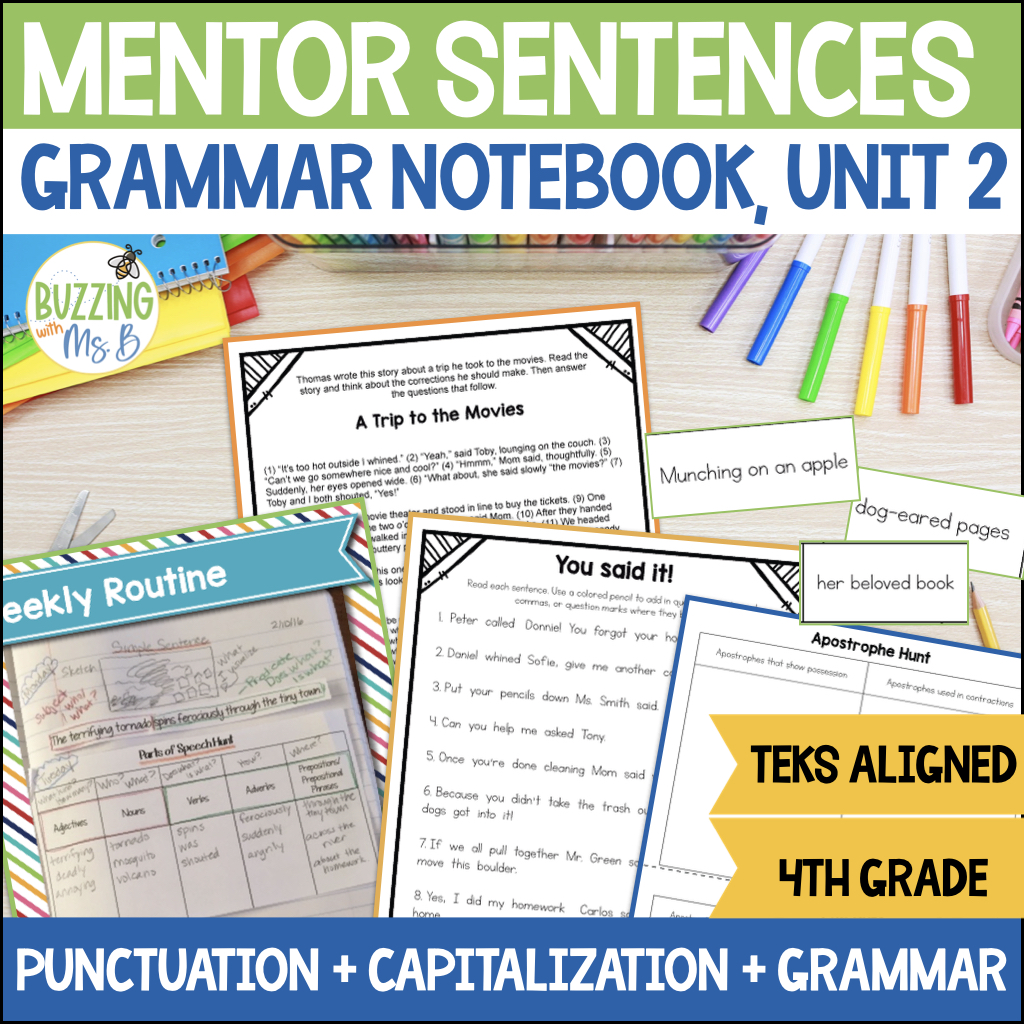
✨ Resource tip: My Mentor Sentences for Punctuation & Capitalization resource has plenty of ready-to-go examples.
2. Practice End Marks
Give students practice revising simple sentences with the three basic end marks: periods, question marks, and exclamation points. This step helps them understand how punctuation changes the meaning and tone of a sentence.

periods, exclamations, and question marks.
3. Break Down Run-Ons
Run-on sentences are a punctuation playground! Have students identify new subjects (highlight them in red again) and decide where sentences should split. Sometimes the fix is a period, sometimes a compound sentence, and other times a complex sentence. The key is noticing patterns in real writing and breaking down the steps they need to think through each time.
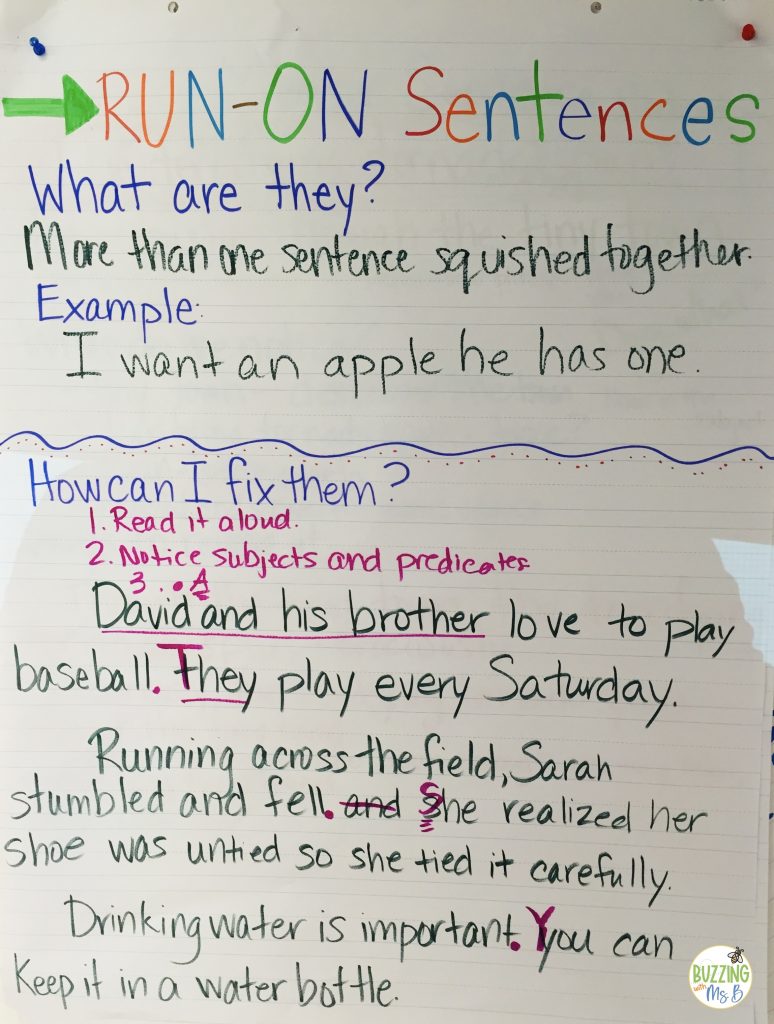
I find it helps to give kids practice in identifying new subjects. Focusing on this one skill – noticing when a new sentence has begun because the subject is repeated or changed – can support them in correcting these errors in their own writing.
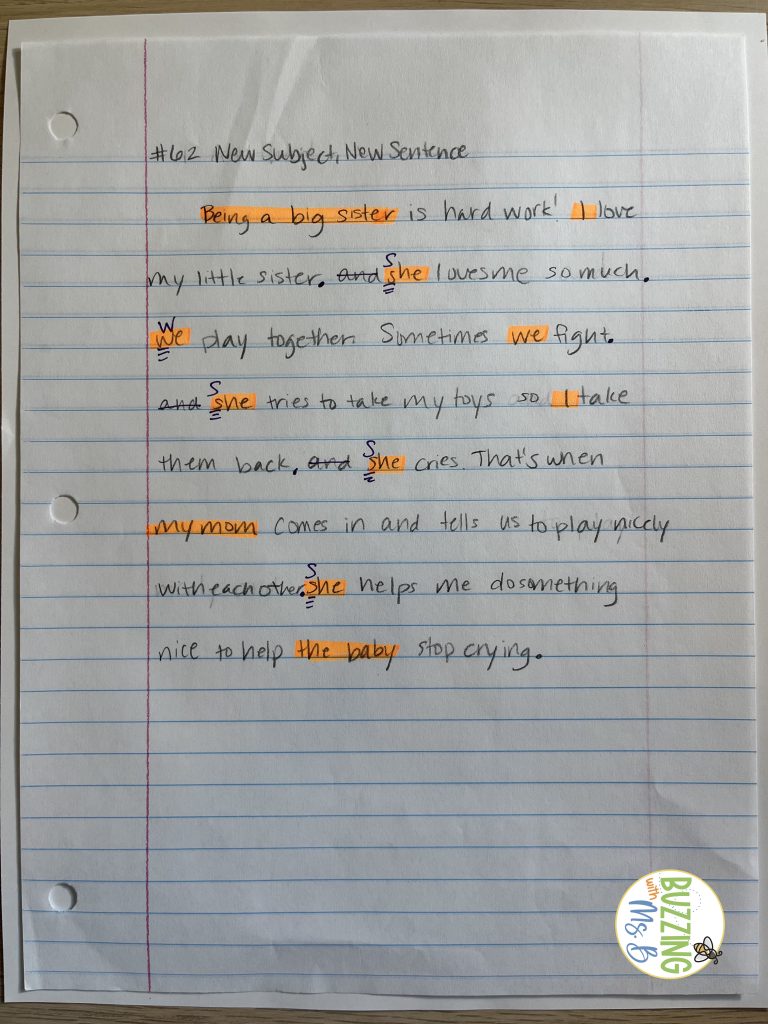
✨ Activity Tip: Take a short paragraph from a favorite book or classroom text and have students hunt for examples of different sentence structures. Color-code subjects and predicates, mark the end punctuation, and notice the patterns authors use to punctuate sentences. This helps students internalize punctuation rules while seeing them in real contexts.
4. Move Into Commas and Quotation Marks for Dialogue
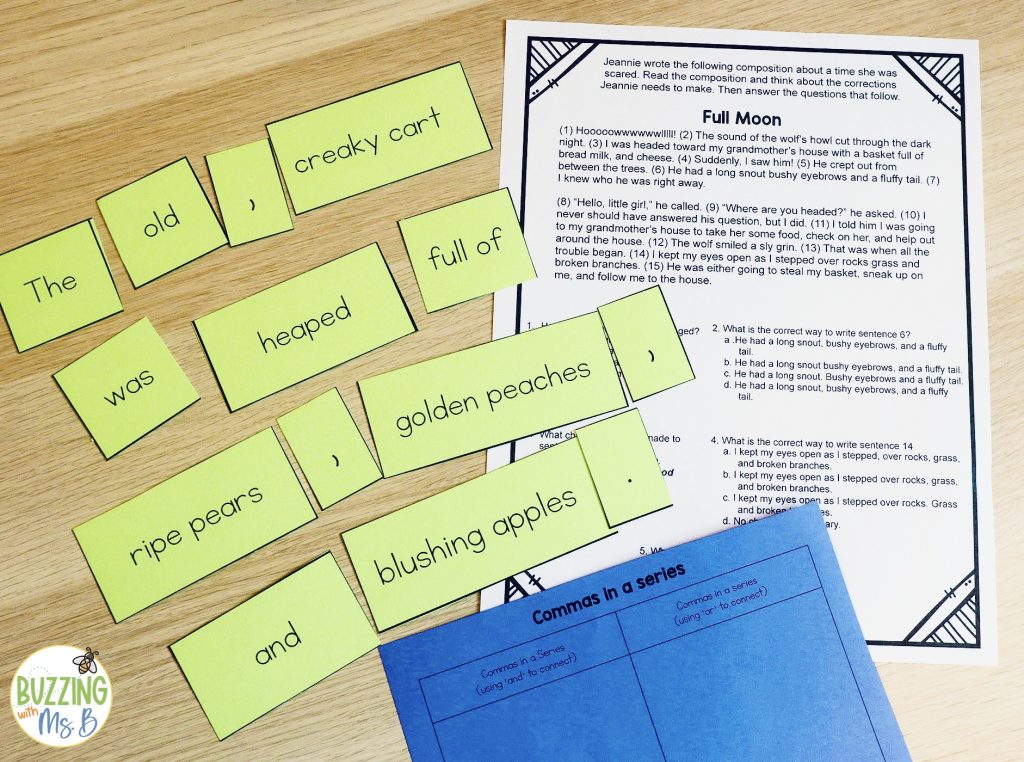
Once students feel confident with sentences and end marks, introduce commas in a series or dialogue. Cut up mentor sentences and let students physically move around the words and punctuation marks. They’ll quickly see how the placement changes the meaning.
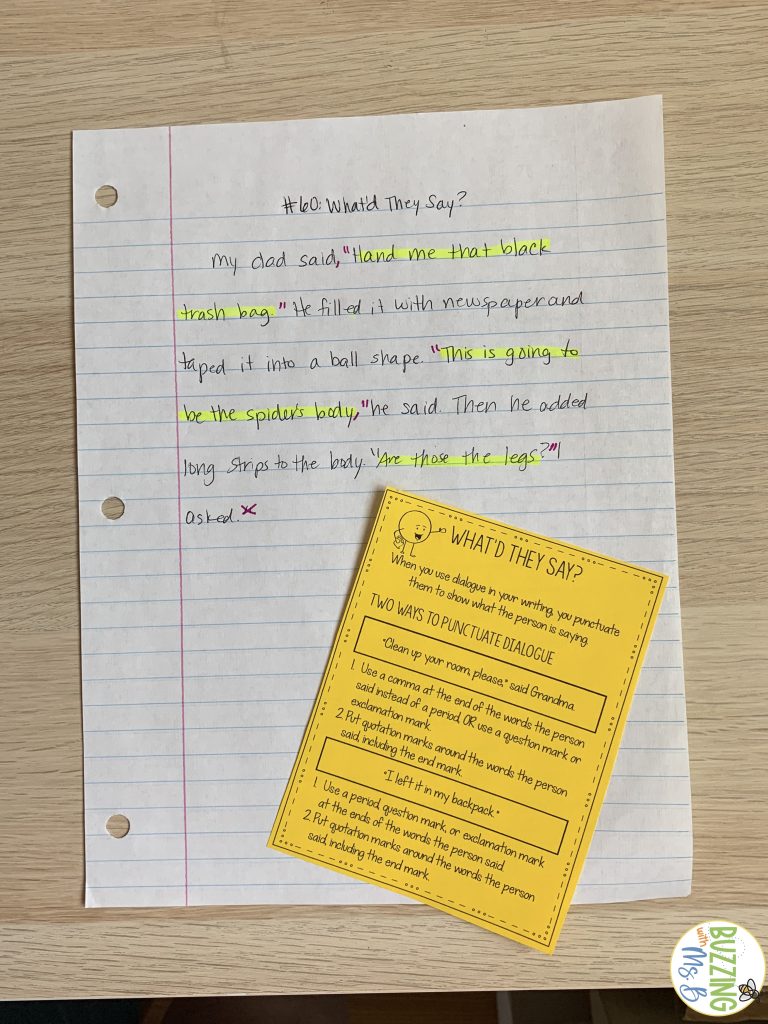
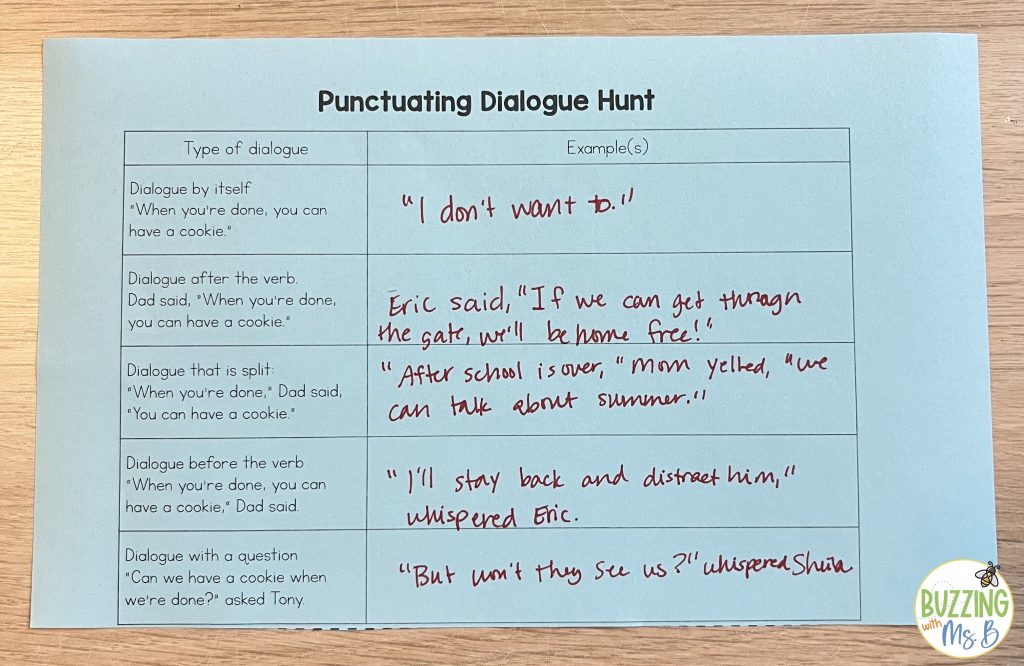
When it comes to dialogue, teach two common structures and emphasize that quotation marks go around the exact words spoken, with punctuation inside (most of the time).
5. Provide Focused Editing Practice
Before asking students to apply everything at once, zoom in. For example, spend a few days focusing just on commas in a series before moving into quotation marks. Targeted practice helps students build confidence without feeling overwhelmed.
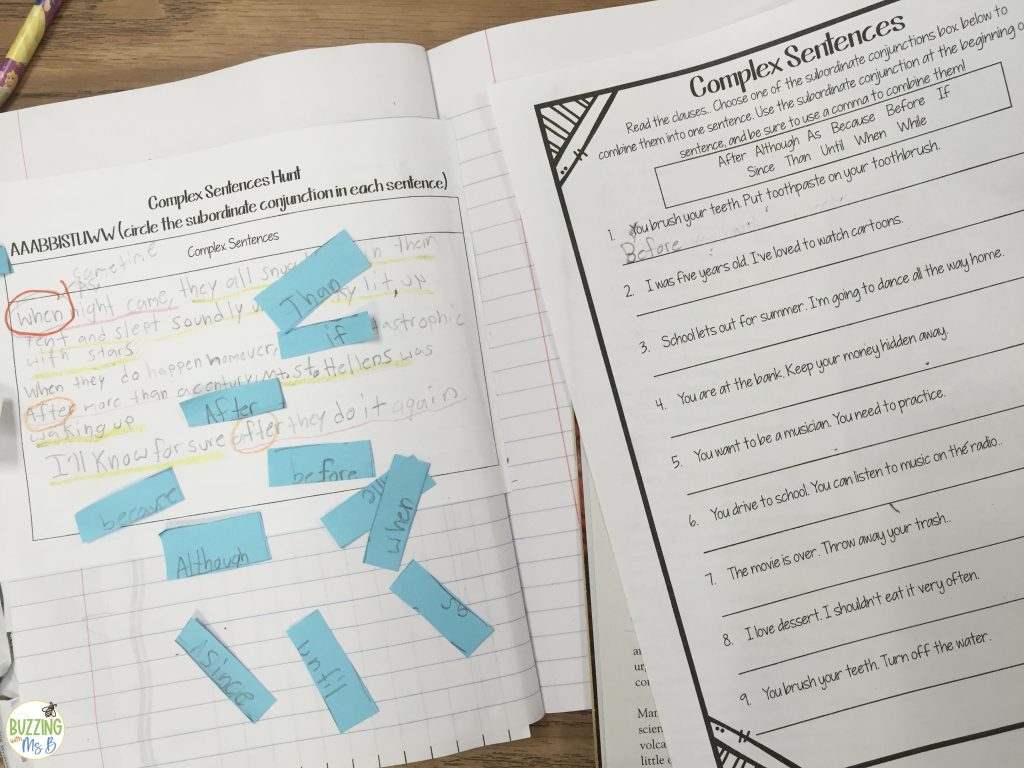
Punctuating compound & complex sentences can be challenging if students don’t understand sentence structure. Make sure they understand the parts of the sentence and have them find examples of correctly written sentences to teach from a good model.
6. Hold Students Accountable for Editing
Once you’ve taught and practiced punctuation, it’s time for students to use it independently in their writing. A visual reminder goes a long way here. I love using an editing checklist taped to desks so kids always have the steps in front of them.
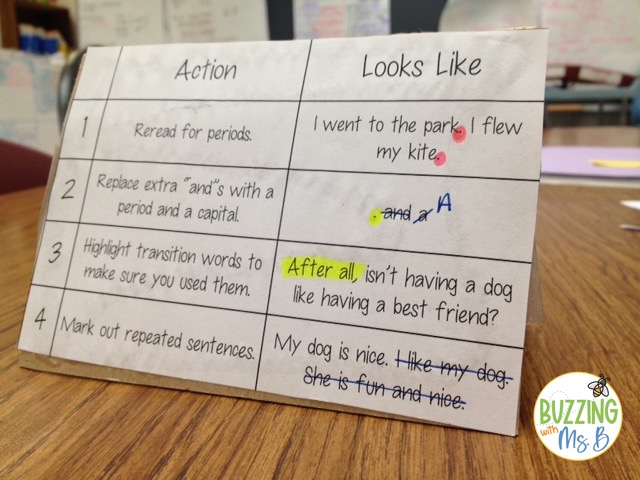
✨ Resource tip: Grab my Editable Personalized Desktop Checklist to help students remember punctuation expectations every time they write.
7. Connect to Writing Instruction
Finally, embed punctuation instruction into your narrative or writing units. Don’t let it live in isolation! As students work on their stories, have them notice mentor examples in literature, practice punctuating dialogue in their drafts, and revise for run-ons during editing.
✨ Resource tip: My Narrative Toolkit makes it easy to layer in punctuation alongside other writing skills.
Wrapping Up
Teaching punctuation doesn’t have to be a dull “hunt the missing period” exercise. With mentor sentences, color-coding, hands-on practice, and supportive tools, your students will not only know where punctuation belongs—they’ll understand why. And that’s what sticks.