
Favorite Winter Read Alouds and Activities for Each One
Favorite Winter Read Alouds and Activities for Each One
Winter is the perfect season for cozy classroom moments, and nothing beats a well-chosen winter read-aloud to set the tone. Pairing beautiful stories with purposeful lessons can help students build essential literacy skills while enjoying the magic of the season.
Whether you’re looking for a winter holiday read-aloud or a read-aloud about winter itself, here are five favorites and ideas for teaching with them.

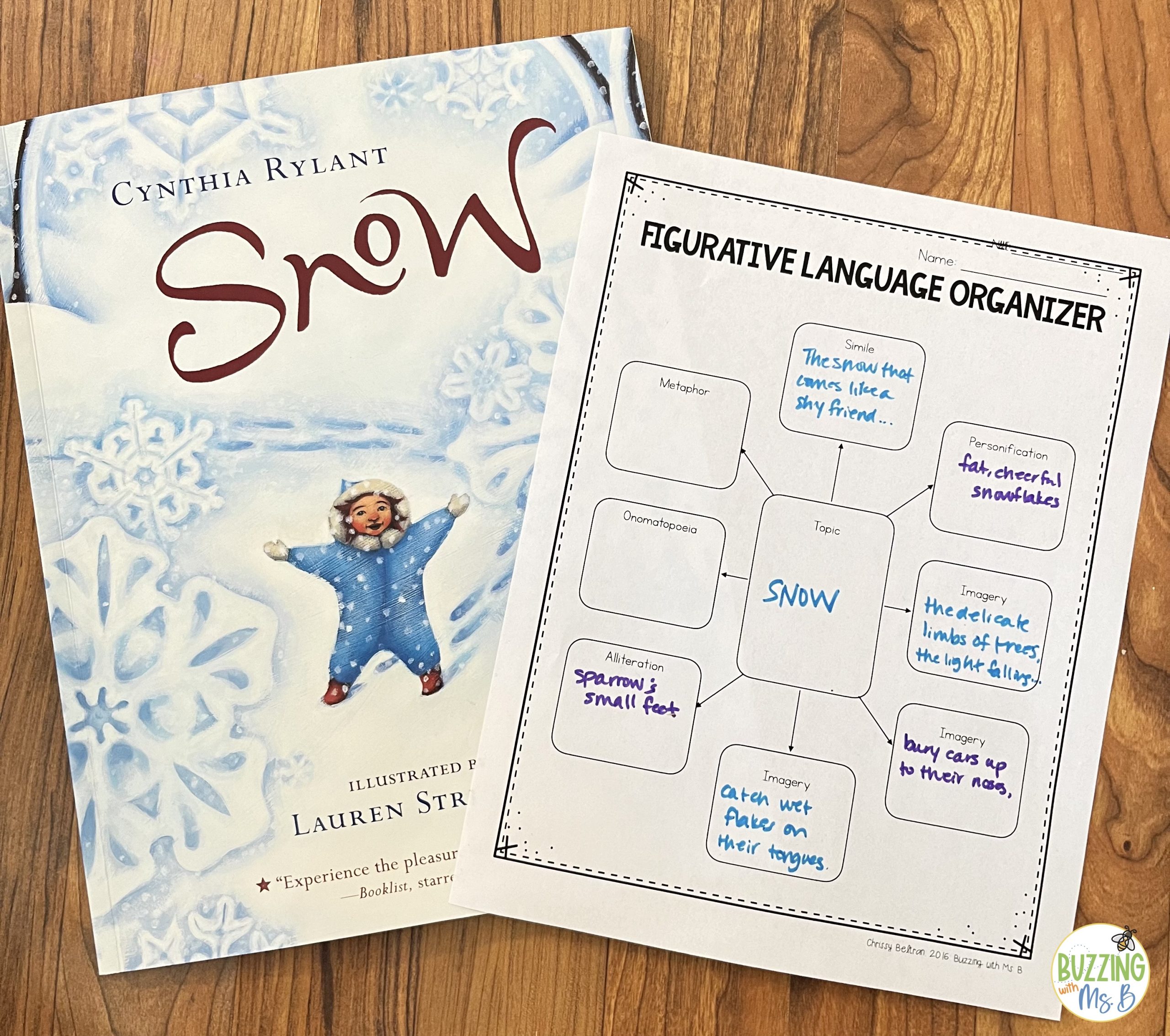
1. Snow by Cynthia Rylant: Exploring Figurative Language
This dreamy winter read-aloud personifies snow, making it a fantastic tool for teaching figurative language. After reading, discuss how the author describes snow as if it has human qualities. Then, challenge students to write their own sentences personifying winter elements like frost, icicles, or wind. It’s a fun way to inspire creativity and poetic writing!

2. The Story of Snow by Mark Cassino: Main Idea Made Easy
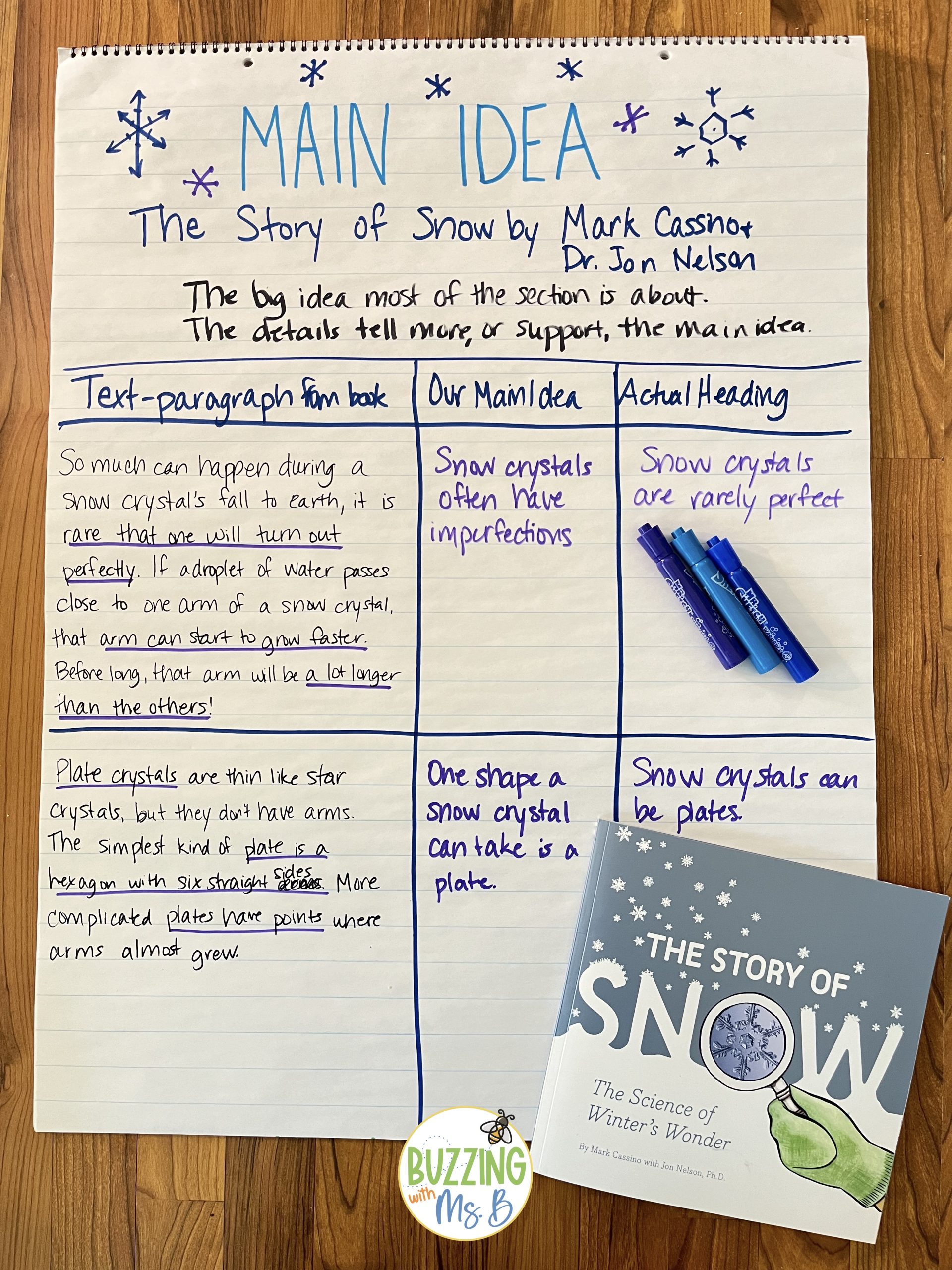
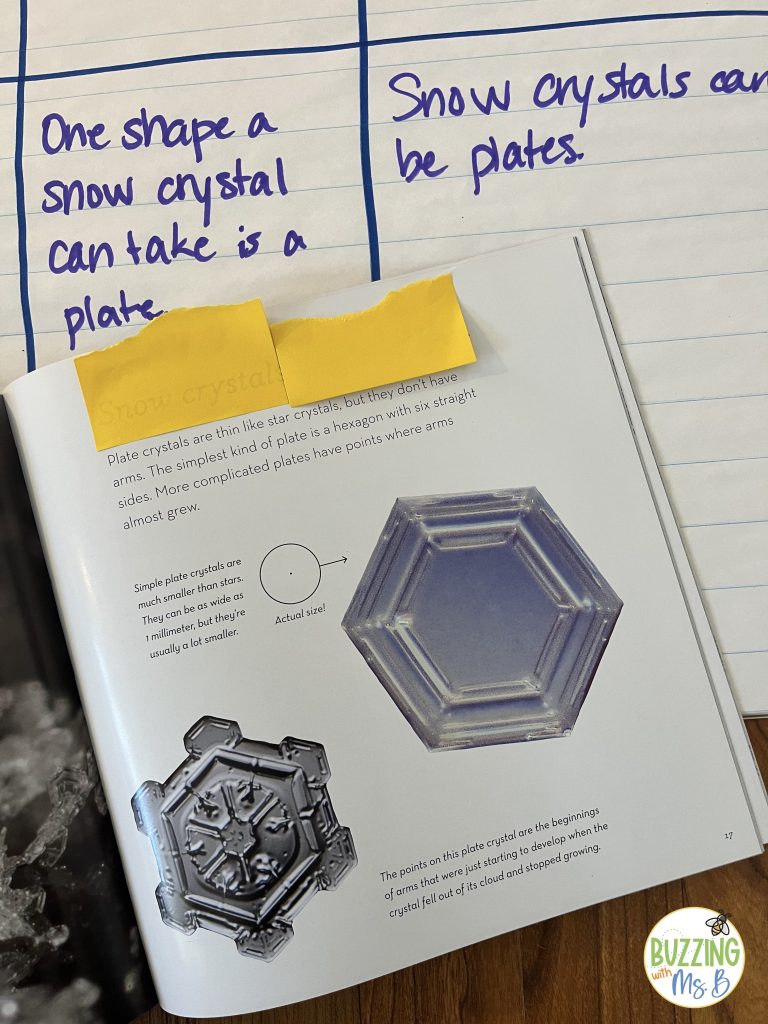
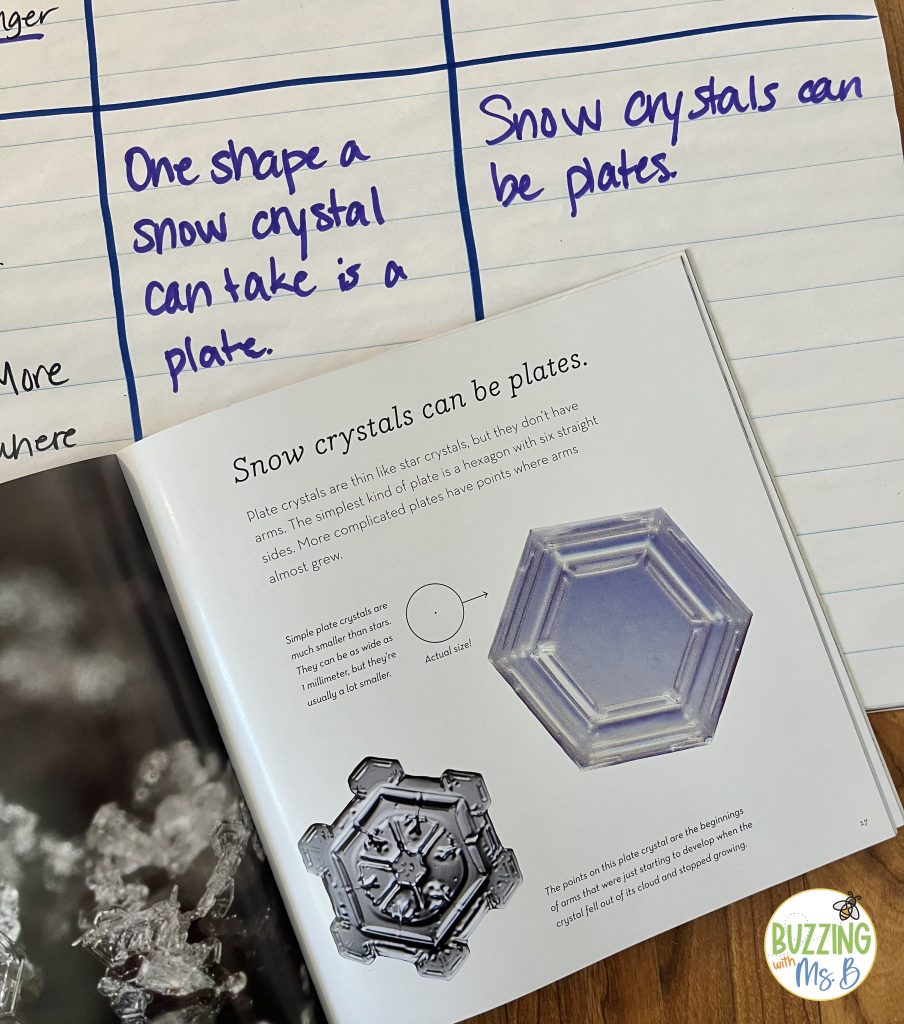
If you’re searching for a read-aloud about winter that’s both fascinating and educational, this nonfiction gem is perfect! Use it to teach the main idea by covering the headings. As you read, guide students to notice repeated ideas in the details. Work together to craft a main idea statement, then check the heading to see if it matches. This hands-on strategy makes finding the main idea engaging and fun!

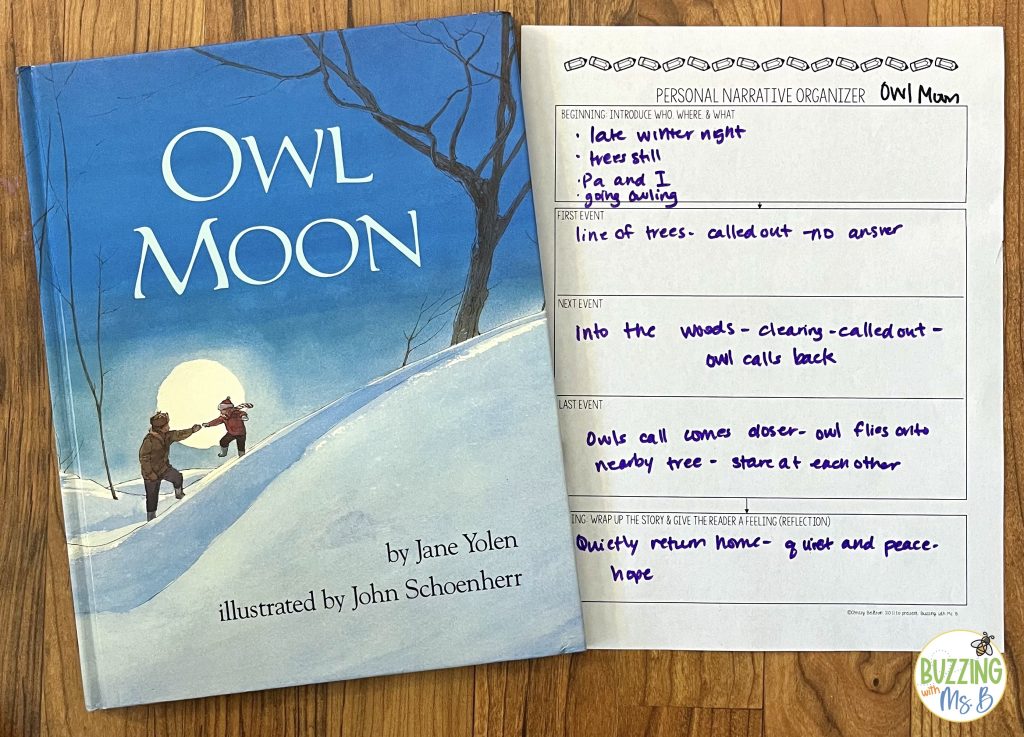
3. Owl Moon by Jane Yolen: Narrative Organization
This classic winter read-aloud captures the quiet magic of a snowy evening, making it ideal for teaching narrative structure. Use a graphic organizer to map out the events of the story. Then, have students use the same organizer to plan their own narratives. They could write about a real winter memory or imagine their own snowy adventure. It’s a perfect blend of reading and writing!

4. Winter Dance by Marion Dane Bauer: Building Vocabulary
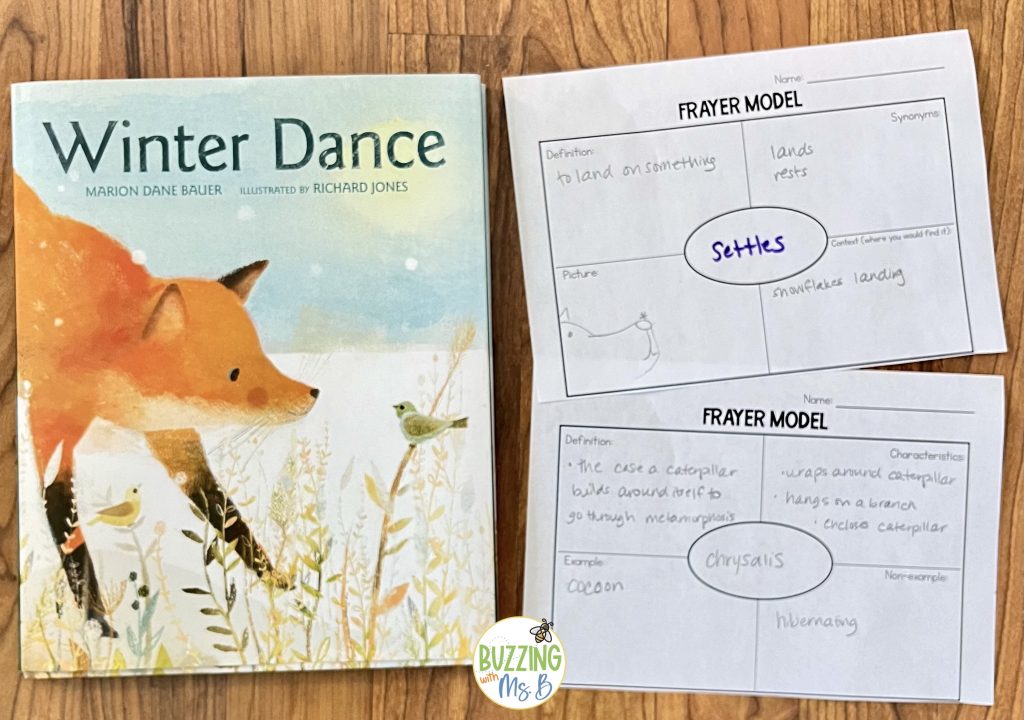
Looking for a winter holiday read-aloud that’s also rich in vocabulary? Winter Dance is a great choice. Use the Frayer Model to explore words like “settles,” “chrysalis,” “slick,” and “scampers.” Students can define the word, use it in a sentence, draw a picture, and brainstorm synonyms or antonyms. This activity deepens understanding and makes new vocabulary stick. Graphic organizers, such as this, are great for recording and organizing students thinking about new words!

5. The Emperor’s Egg by Martin Jenkins: Sequencing Events
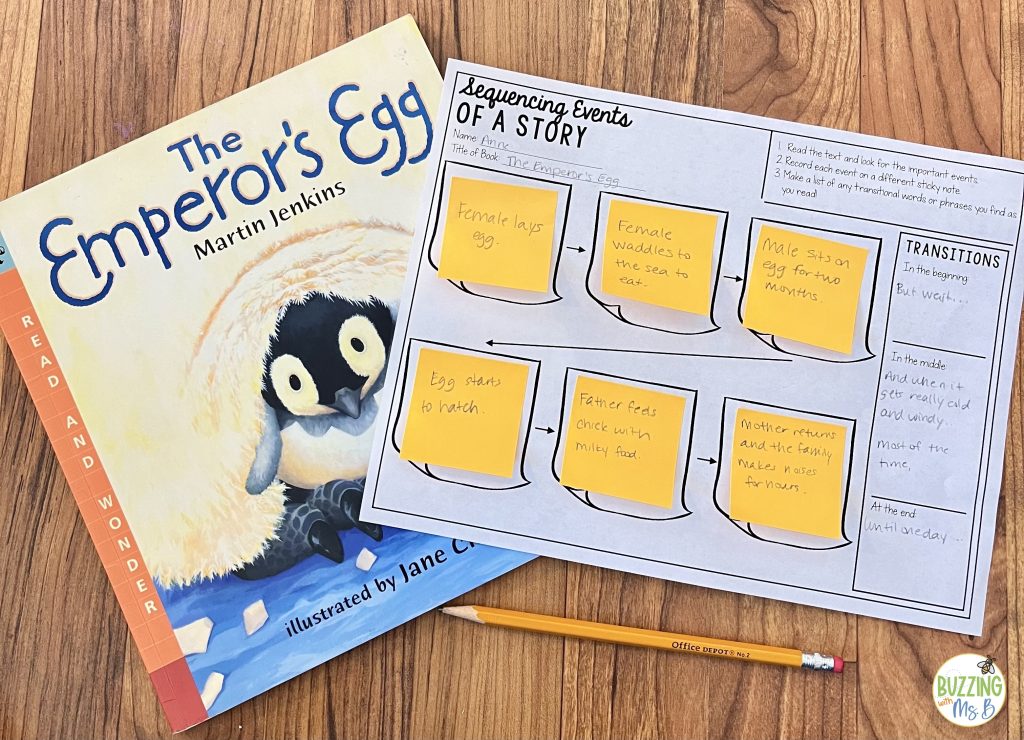
This charming nonfiction book about emperor penguins is perfect for practicing sequencing. After reading, have students list the events in order, creating a timeline or sequence chain. It’s a simple, engaging way to tie comprehension and writing together!

Why Winter Read-Alouds Are Worth It
Winter read-alouds aren’t just cozy—they’re powerful tools for learning. Whether it’s a winter holiday read-aloud or a read-aloud about winter scenes and creatures, these books build skills like comprehension, vocabulary, and narrative writing. Best of all, they keep students engaged during this magical season!
Looking for graphic organizers and resources to explore these Winter Read Alouds? Then look no further…


**Some links on this page are affiliate links**


