How Principals and Instructional Coaches Can Partner to Improve Instruction (The Principal’s Handbook)
Principals, can I tell you a secret? Your instructional coach is probably spending part of today covering a class. Or running a duty. Or making copies.
I know, because I’ve been there. And it’s not because anybody is doing anything wrong. It’s because nobody ever sat down and decided what the coaching role is actually for.
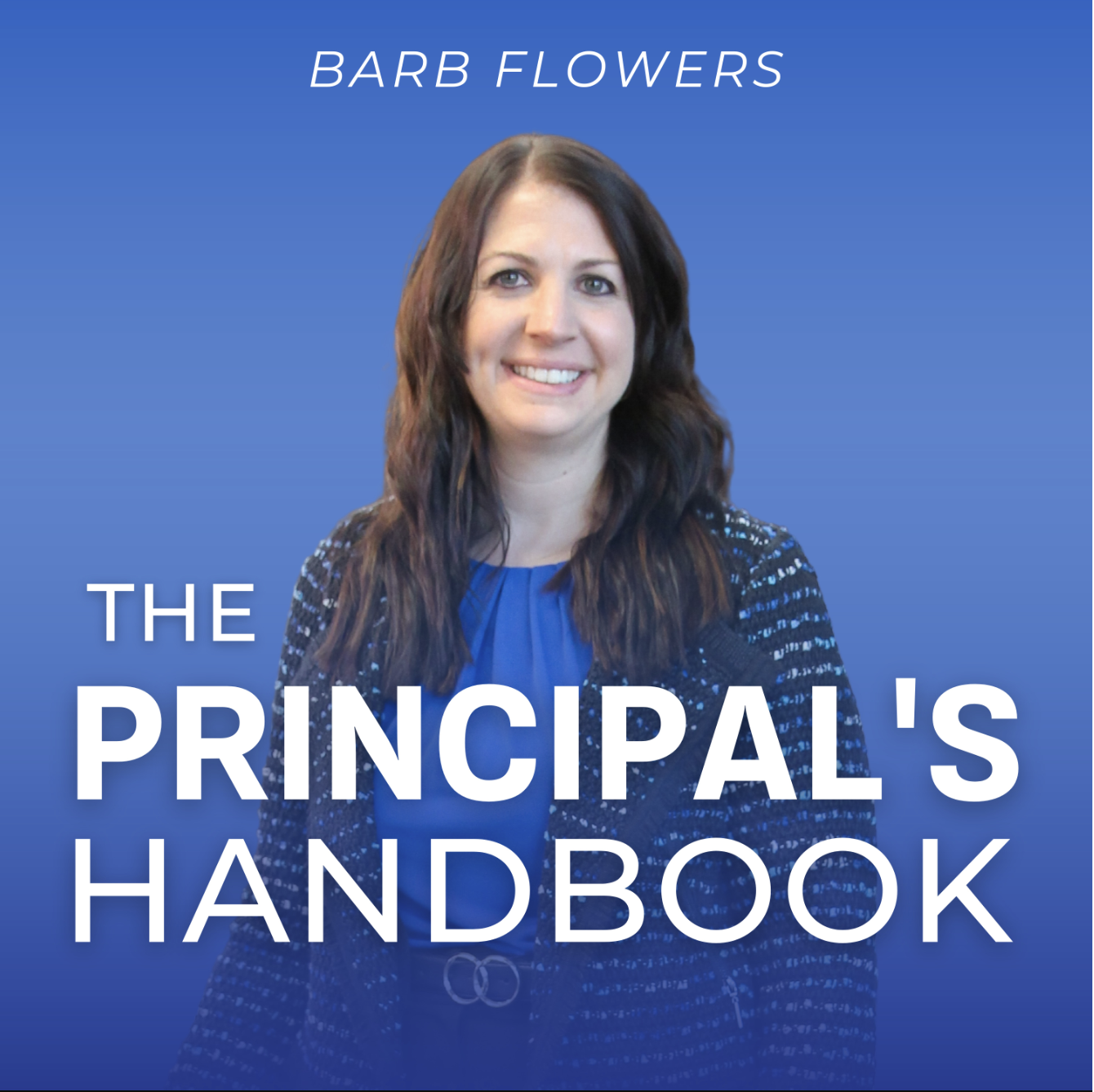
I got to talk all about how principals and instructional coaches can work together with Barb Flowers on The Principal’s Handbook, episode 167: Leading Instructional Improvement With (or Without) an Instructional Coach. We covered how to define the coach’s role, why coaching and evaluation need to stay separate, and what to do if your school doesn’t have a coach at all.
How Principals and Instructional Coaches Define the Coaching Role
Start with a conversation about what good instruction looks like on your campus and what you value. Then decide together what the coach does all day. Will they work with individual teachers, small groups, or the whole staff? Do they facilitate PLC meetings or sit in and support? And why?
Here’s the thing: if the role is fuzzy, the coach’s calendar fills up with sub coverage and duties, and instruction gets whatever time is left over. (Spoiler: it’s not much.)
Tip: Once you’ve decided, TELL your teachers. When teachers don’t know why the coach is there, they fill in the blanks themselves…and they usually guess “evaluator.”
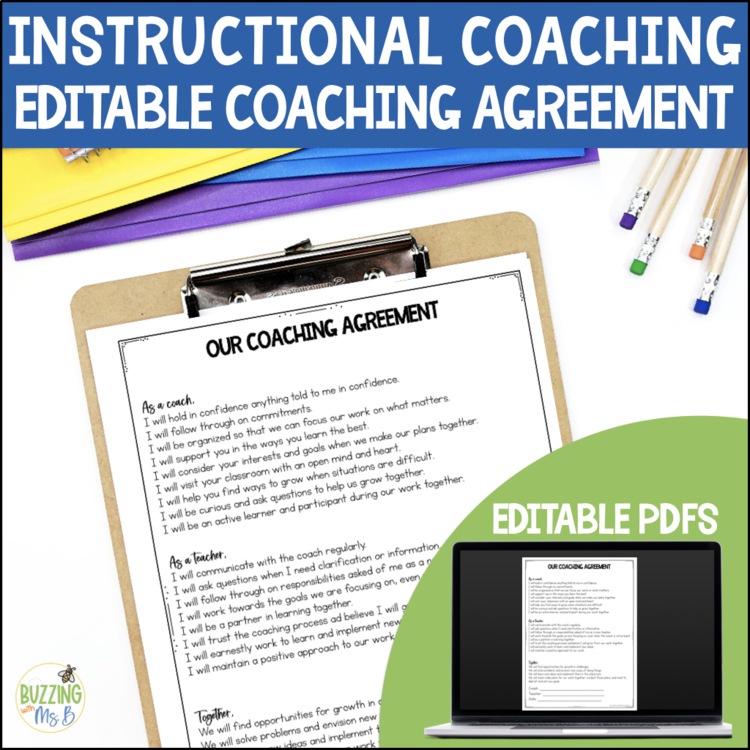
Want an easy way to make the role crystal clear? The Instructional Coaching Agreement helps coaches and teachers set expectations for their partnership from day one.
Keep Coaching Separate from Evaluation
The principal sets the direction, makes the final calls, and handles evaluation. The coach supports growth. When the coach also becomes the accountability police, trust goes right out the window.
That doesn’t mean you work in separate worlds, though! Barb shared how she laid the groundwork for a first-grade grouping change and then gave her coach the freedom to shape how it actually worked in classrooms. You can also send teachers to the coach for support after you give feedback. That’s a team.
Learn Alongside Your Instructional Coach
What happens when the principal and the coach don’t see eye to eye? Look for common ground, like any working relationship. And learn together. When your leadership team reads the same book or attends the same PD, a new practice stops feeling like “the coach’s thing” and becomes “our thing.”
My favorite move? Do a book study as a leadership team BEFORE you lead it with teachers. You’ll spot the challenges (and the strengths) specific to your school before you’re standing in front of the staff.
Leading Instructional Improvement Without a Coach
No coach? You can still do a lot of this work. Here’s what we talked about:
- Grow teacher leaders. Give them real time, coverage, and support to plan ahead and break down standards with their teams.
- Get creative with the schedule. Rotating schedules or coverage can free up PLC teams to actually collaborate.
- Set up colleague visits. Let teachers watch strong practice in each other’s classrooms.
- Build a strong leadership team. Barb’s team includes the speech pathologist, counselor, school psychologist, coach, district MTSS coach, and principal, and they meet every week.
Close the Knowing-Doing Gap with Follow-Up
So many initiatives die the minute the PD ends. Teachers know the strategy…but nobody circles back, so it never makes it into classrooms.
Follow-up fixes that. Set clear expectations (like bringing student work samples to PLC and looking at whether the strategy worked), and pair them with support: coach visits, peer observations, and chances to talk through what’s hard. Barb literally puts follow-up check-ins on her calendar. Steal that!
Pick Fewer Schoolwide Instructional Priorities
We all love a shiny new idea from social media. But when every teacher is chasing a different one, focus falls apart.
I shared a story from a turnaround school where teachers got three different trainings in one month that didn’t connect at all. The teachers were the ones who asked for alignment! So the school built its core program first and then chose supplements that fit. Pick a few big priorities (like Tier 1 instruction) and line up your interventions, enrichment, and PD behind them.
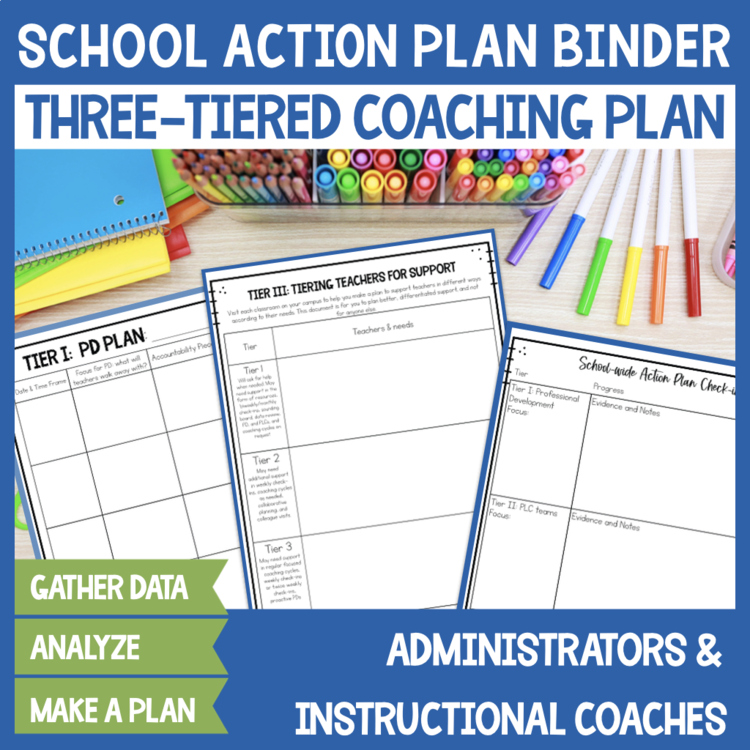
If you and your coach want a simple way to map that out, the Instructional Coaching Action Plan Toolkit walks you through a needs assessment, coordinating with administration, and planning PD, PLCs, and coaching cycles around your priorities.
Listen to the Full Episode
Barb and I go deeper into all of this in the episode. Listen to episode 167 here, or search for The Principal’s Handbook on Apple Podcasts or wherever you listen.
More for Principals and Instructional Coaches
- Principals and Administrators Who Coach: Systems for Success
- The Principal’s Role in Instructional Coaching with Nicole S. Turner
Want More Coaching Strategies Like These?
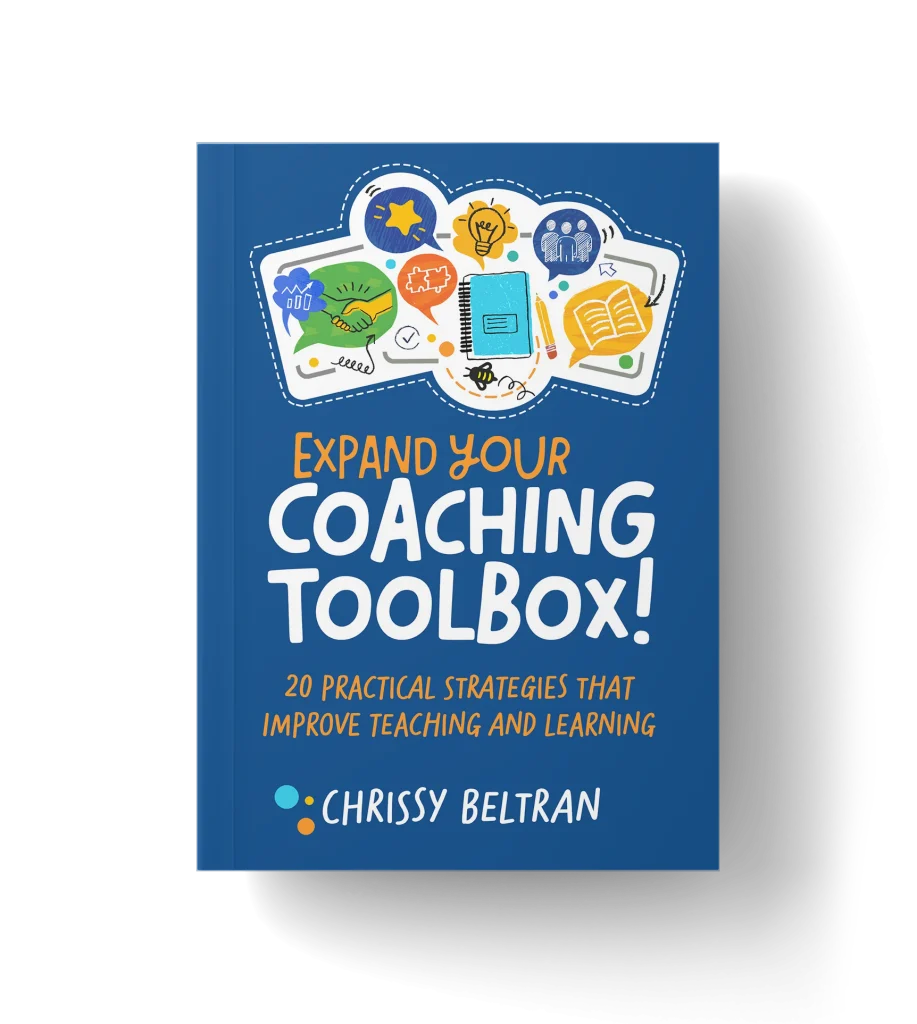
Book studies, colleague visits, PLC facilitation…they’re all in my new book, Expand Your Coaching Toolbox (ASCD + ISTE), out November 9! It’s packed with 20 practical strategies for building relationships, building knowledge and alignment, and building classroom skill. It’s a great one for principals and coaches to read together.
Principals, what’s one thing that’s helped you and your coach work well together? Tell me in the comments!