Why Coaching Conversations Go Nowhere: The “Always Be Coaching” Mindset (Coaching the Whole Educator Podcast)
Have you ever left a coaching conversation feeling great about the advice you gave, only to come back a week later and find that nothing changed? You’re not alone, and it’s probably not the teacher’s fault.
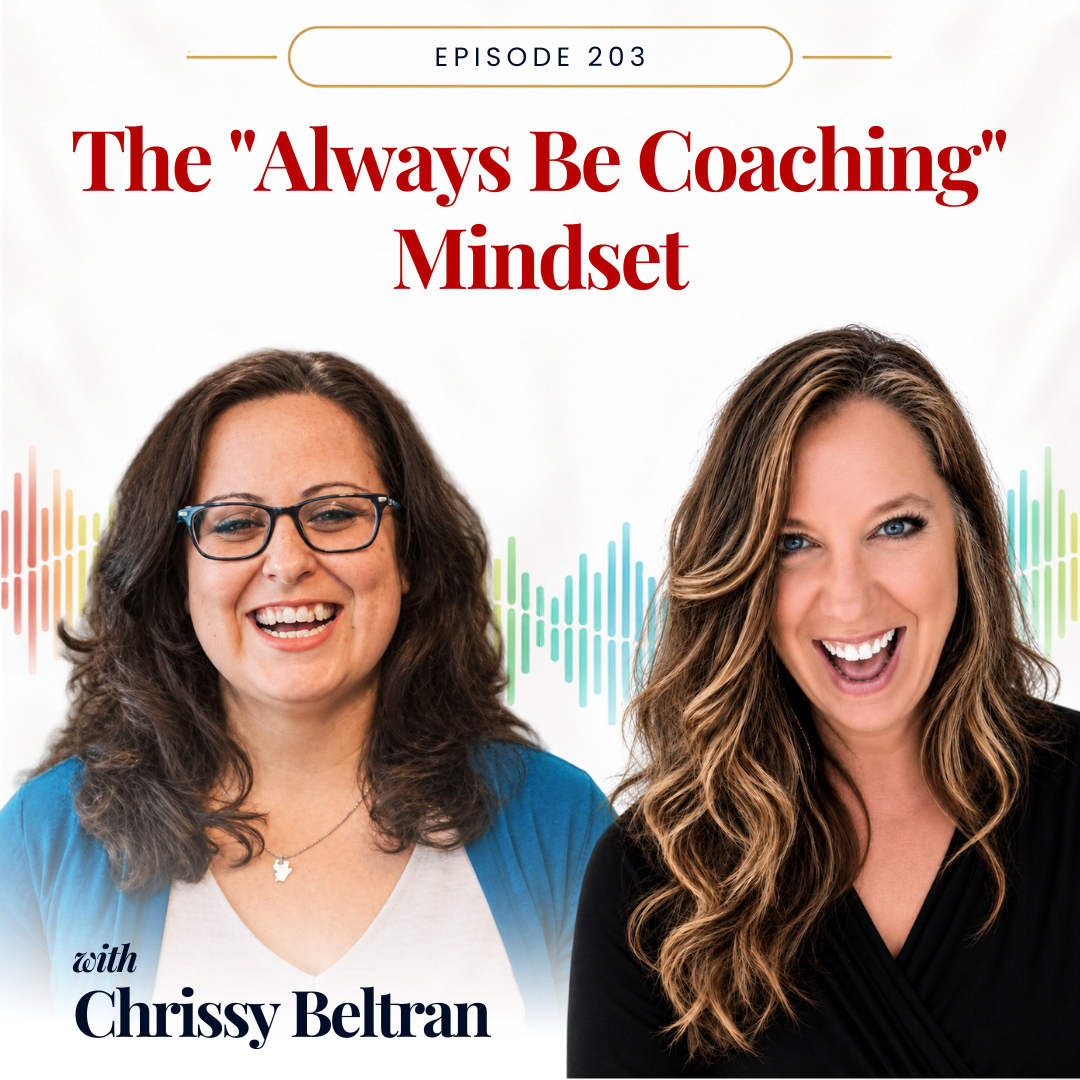
I joined my friend Becca Silver on the Coaching the Whole Educator podcast (episode 203, The “Always Be Coaching” Mindset) to talk about why so many coaching conversations go nowhere, and the mindset shift that keeps every interaction moving toward real partnership.
Why Our “Advice Monster” Is So Loud
Giving advice feels really good. A teacher brings us a problem, we have an answer, and we hand it over. But that’s consulting, not coaching. Quick fixes rarely change anyone’s thinking, and when a teacher nods and says “okay” at the end of the conversation, that often means compliance, not commitment. It doesn’t matter what we say. It matters what they hear.
Always Be Coaching (Yes, It Started With Knives)
Back in college, I sold Cutco knives, and that’s where I first learned the idea of “Always Be Closing.” I’ve turned it into my coaching mindset: Always Be Coaching. Teachers often ask for help in the only way they know how, with a complaint. When we listen for the need underneath it, every hallway chat can become a coaching opportunity.
Make Your Follow-Up Easy to Say Yes To
One of my favorite takeaways from this conversation is how simple the next step should be. Instead of an open-ended “Let me know if you need anything,” try narrowing it to a yes or no question:
- Ask a yes/no question: “Can I come by tomorrow at 9?”
- Come back with options: Show up the next day with two or three ways you can support, tops.
- Listen for red flag phrases: When you hear yourself say “Well, I told them,” it’s time to point the finger back at yourself.
A simple editable coaching menu makes it easy to offer those two or three options, and my coaching cycle forms help you turn a yes into real coaching work.
Connection Is the Shortest Distance to Coachability
We also talked about the difference between manipulation and intentionally building connection, and about choosing to make a difference instead of being right. When teachers know we’re on their side, they’re far more open to growing with us.
Listen to the Episode
Listen to the full conversation with Becca here, or search for Coaching the Whole Educator wherever you listen to podcasts.
Keep Reading
- Always Be Coaching: How Your Coaching Mindset Shapes Every Conversation
- The First Step to Take When Coaching Resistant Teachers
Want More Coaching Strategies Like These?
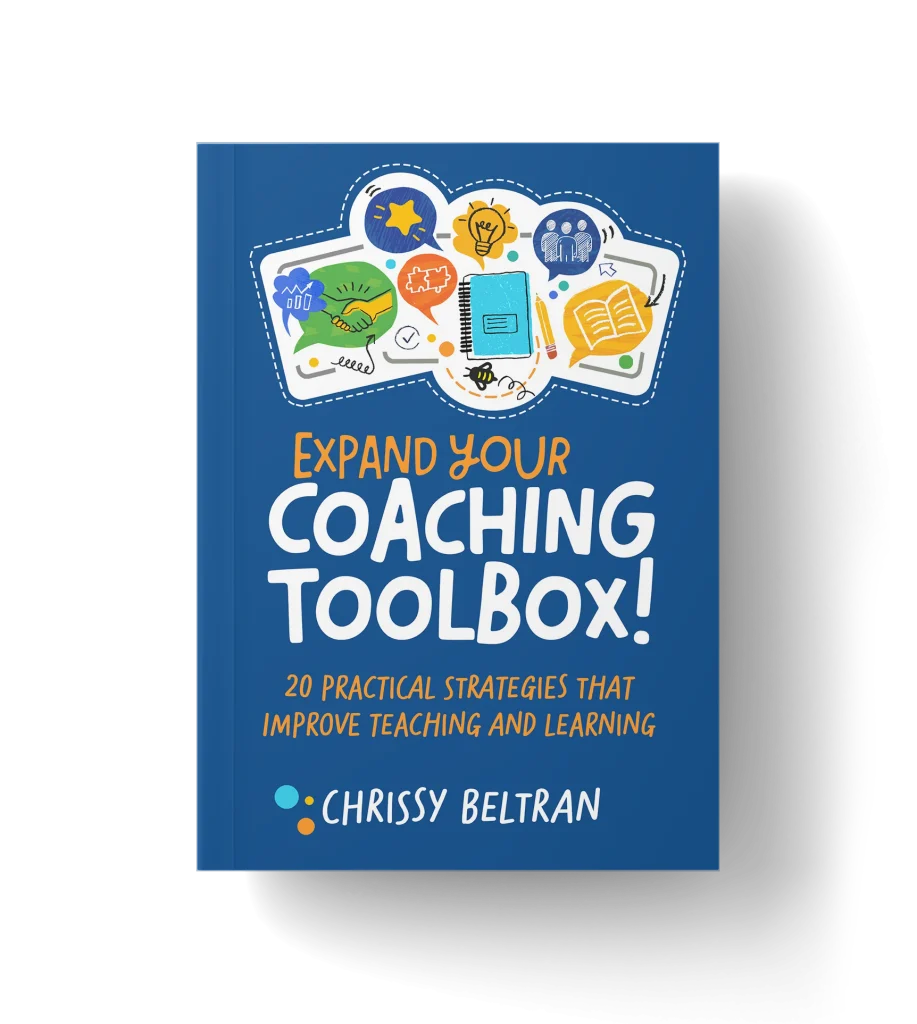
My new book, Expand Your Coaching Toolbox: 20 Practical Strategies That Improve Teaching and Learning (ASCD + ISTE), is a hands-on guidebook with strategies for relationship building, knowledge and alignment, and instructional skill, each with a note on how to forward the coaching conversation.