Practical Coaching: Mini Coaching Cycles & High-Impact Strategies, ep. 296
In last week’s episode of Instructional Coaching with Ms. B, we dug into the real life of an instructional coach and explored why coaching cycles can be so difficult to make happen in schools.
Today our topic is practical coaching: mini coaching cycles & high-impact strategies!
We’re going to look at the mini coaching cycle, why it might be a good fit, and how to use it to create BIG change in classrooms using high-impact strategies and a very simple model!
This episode is part of my Coachtober series, which is one of my favorite times of the year! I love using this season as an opportunity to focus on coaching cycles and meaningful coaching strategies.
Many of the ideas I share in this episode come straight from my book, Expand Your Coaching Toolbox!: 20 Practical Strategies That Improve Teaching and Learning. Pre-order your copy today!
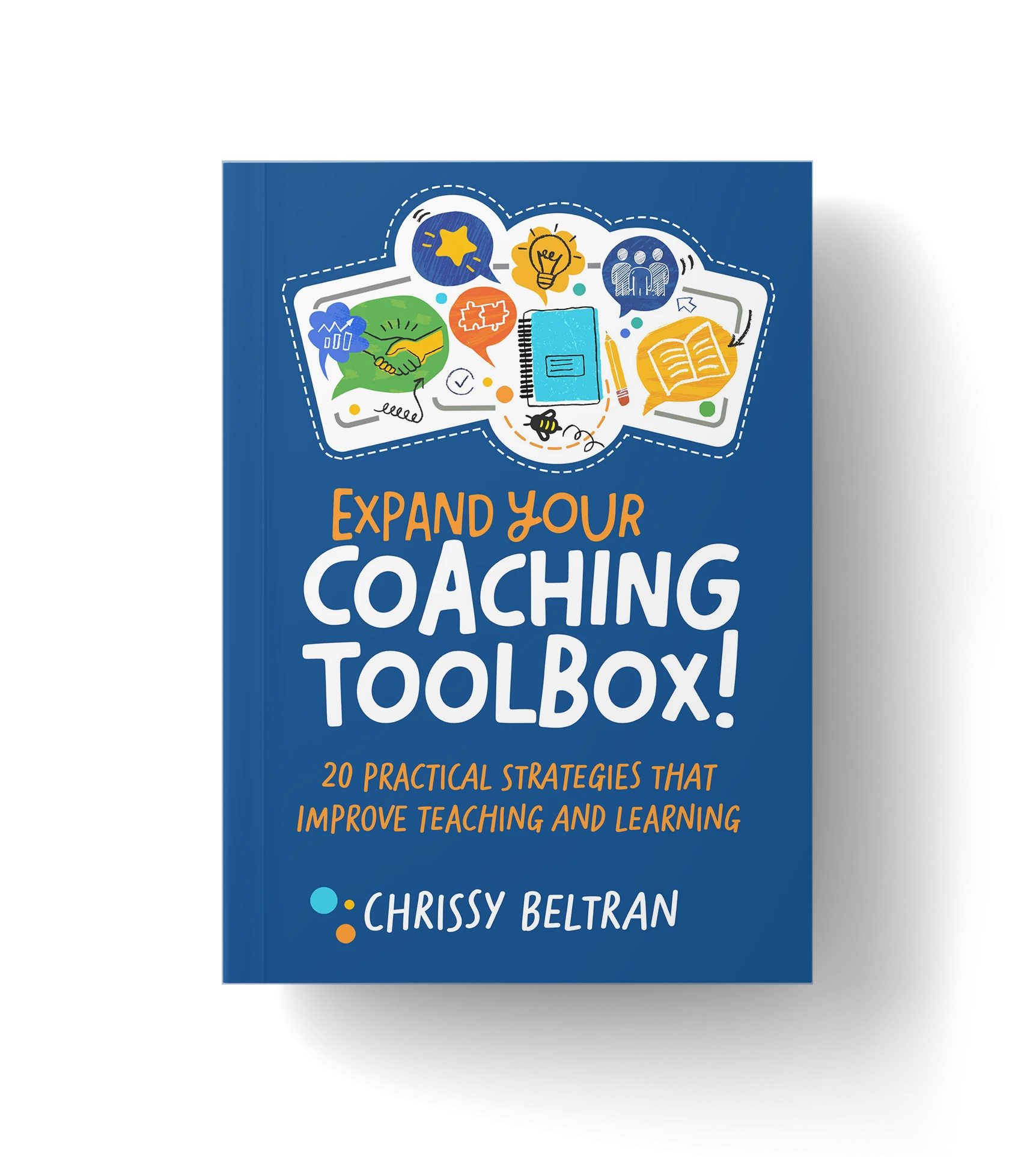
My new book, Expand Your Coaching Toolbox!: 20 Practical Strategies That Improve Teaching and Learning, is now available for pre-order. If you’re looking for practical ways to work with teachers, respond to their individual needs, and move beyond coaching approaches that haven’t worked in the past, this is the book for you! I really think you’re going to love it!
Why Traditional Coaching Cycles Feel Overwhelming
Nothing makes teachers stress out more than asking them to commit to a six-week coaching cycle!
Their response is usually something like, “What? I don’t even know what I’m doing tomorrow. How can I commit to you being in my room three or four times a week, plus feedback and meetings?”
Then they start to spiral.
I don’t blame them.
Teachers have plenty to do already, and coaching cycles feel like one more thing when they don’t come up organically and authentically. When teachers are offered flexibility and voice in the process, they’re far more likely to participate in coaching work and try new strategies.
Practical Coaching: Mini Coaching Cycles & High-Impact Strategies
Mini coaching cycles are short, focused coaching partnerships built around addressing a specific goal or classroom need. When instructional coaches are thoughtful about how we implement these cycles and responsive to teachers’ needs, we can support many teachers without feeling like we have a heavy, stressful thing to do. We don’t need to put teachers through a checklist or have them on rotation.
All we have to do as instructional coaches is say, “I’d love to help you figure something out! Can I come by tomorrow or Tuesday?” Give them a choice and an offer to move forward.
Moving the relationship forward is the coach’s responsibility. By asking, you are initiating the conversation that will lead to the pre-conference.
A Simple Three-Step Mini-Coaching Structure
Here’s a simple mini coaching cycle structure you can use as a framework. The mini cycle typically involves these three steps:
1️⃣ Pre-conference: A quick check-in to identify the teacher’s goal and learning target. You do a little planning together and figure out what your classroom work is going to be.
2️⃣ Classroom Work: Time spent in the classroom implementing the new strategy. This can include observation, modeling, co-teaching, in-the-moment coaching, video coaching, or visiting a colleague.
3️⃣ Post-conference: A reflective meeting, ideally the same day or within a few days of the classroom work to celebrate successes, process what happened, and plan next steps.
Using short, focused mini coaching cycles makes coaching more approachable and valuable. You don’t need a complicated process to make a big impact!
During the episode, I share a mini coaching cycle success story about working with a teacher on a vocabulary strategy focused on prefixes, suffixes, root words, and dictionary skills.
Listen to hear how we planned the lesson together, moved into an observation with feedback, and then planned our next round based on what we learned. Eventually, she shared the strategies she found effective with her colleagues, extending the impact of our collaborative coaching work beyond her own classroom.
Be ready for anything with the Instructional Coaching Editable Binder Megapack!
It includes forms, templates, and everything you need to get organized for instructional coaching! Coach teachers and document your coaching work with these printable and editable tools. Grab the Instructional Coach Binder Megapack in my TpT Store!

Six High-Impact Strategies for Classroom Work
The “meat” of the mini coaching cycle is the classroom work. This is where teachers are either teaching or seeing something in action in the classroom.
In this episode, you’ll hear about six strategies you can use during classroom work. Most coaches are familiar with the first three: observation, modeling, and co-teaching. However, I want you to add the last three if you haven’t yet: in-the-moment coaching, video coaching, and visit a colleague. Those three can change the way you work with teachers inside a coaching cycle!
Here are the six strategies you can use during the classroom work section of the mini coaching cycle, along with a little about each one:
1. Observation
The teacher teaches, the coach observes, and then you both debrief.
2. Modeling
The coach demonstrates a strategy while the teacher observes. Afterwards, they have a conversation about what the teacher noticed and what they might implement or change.
3. Co-Teaching
Coach and teacher teach the lesson together.
4. In-the-Moment Coaching
This is a version of co-teaching, but instead of teaching alongside the teacher, you’re coaching the teacher in the moment. The coach is observing, noticing, and asking questions to help the teacher reflect and adjust their teaching. It’s sometimes called whisper coaching, real-time coaching, or in-the-ear coaching.
5. Video Coaching
Short video clips are recorded during a lesson. The teacher and coach watch them separately and jot down their noticings with timestamps. Then you meet together and have a dialogue about what you both observed during the lesson. This strategy is very helpful for teachers who are trying to improve but can’t see anything wrong or can’t figure out what’s not working.
6. Visit a Colleague
This is such a good strategy and one of my favorites because you really don’t have to do too much as a coach. You set up a time for the teacher to visit their colleague’s classroom to observe a skill. The goal is for the guest teacher to learn how to do something from the host teacher. This is an effective strategy to use with teachers who aren’t ready to have you in their room yet.
Each strategy offers flexibility and can be matched to the comfort level and learning needs of individual teachers. The message: coaching is not one-size-fits-all! Responsive, differentiated support leads to more meaningful professional growth.
I detail these six types of classroom work in my book, Expand Your Coaching Toolbox!: 20 Practical Strategies That Improve Teaching and Learning! I dig into each of these strategies thoroughly and give you a step-by-step process for using them, plus all the handouts you need! Pre-order your copy now!
My new book, Expand Your Coaching Toolbox!: 20 Practical Strategies That Improve Teaching and Learning, is now available for pre-order. If you’re looking for practical ways to work with teachers, respond to their individual needs, and move beyond coaching approaches that haven’t worked in the past, this is the book for you! I really think you’re going to love it!
Takeaways – Practical Coaching: Mini Coaching Cycles & High-Impact Strategies
Here are a couple of practical takeaways I hope you walk away with from this episode:
Listen for Opportunities
Every interaction is an opportunity to strengthen your relationships and move towards more impactful coaching work. This is part of the “Always Be Coaching” mindset. We’re listening for questions, frustrations, and concerns that can open the door to meaningful coaching conversations.
Mini Coaching Cycles Have a Three-Part Structure
Mini coaching cycles include three parts: pre-conference, classroom work, and post-conference. Pick from the six high-impact classroom work options based on what will be most helpful.
Be Responsive to Teachers’ Needs
Instead of throwing yourself into a rigid structure, listen to what teachers need and be responsive. Don’t force video coaching if it’s not going to happen at that time. Start with something that feels comfortable, and you can always move in that direction over time.
Planning and delivering effective instructional coaching doesn’t need to be complicated or stressful! Instead of throwing yourself and the teacher into a massive, heavy cycle, start small! Build from there.
If today’s episode resonated with you, you’re going to love what’s coming in Expand Your Coaching Toolbox. In the book, I share 20 practical coaching approaches so you can meet teachers where they are and make every coaching interaction count.
Topics and Questions Discussed in Episode 296 – Practical Coaching: Mini Coaching Cycles & High-Impact Strategies
- Practical coaching: Mini coaching cycles & high-impact strategies
- Why a six-week coaching cycle feels stressful for teachers and coaches
- What a mini coaching cycle can look like in practice
- Building vocabulary: A real-life success story
- The three steps in a mini coaching cycle: Pre-conference, classroom work, post-conference
- Six high-impact strategies for classroom work: Observation, modeling, co-teaching, in-the-moment coaching, video coaching, visit a colleague
- Listening for coaching opportunities during conversations with teachers
- Always Be Coaching mindset
- The importance of being responsive to teachers’ needs rather than following a rigid process
- Ideas for how to differentiate coaching support and give teachers choice
Turning Insight Into Action: Practical Steps You Can Take After Listening
Here are simple actions you can take today:
1️⃣ Pre-Order Expand Your Coaching Toolbox!: 20 Practical Strategies That Improve Teaching and Learning
If today’s episode resonated with you, you’re going to love what’s coming in my new book, Expand Your Coaching Toolbox!: 20 Practical Strategies That Improve Teaching and Learning. The entire book is built around one idea: coaches need more than one strategy to meet teachers’ needs.
Inside, I share 20 practical coaching approaches—from quick relationship-building conversations and deepening knowledge to high-impact classroom-skill building—so you can meet teachers where they are and make every coaching interaction count. It’s a really great guide that you can go back to over and over again. Check it out!
2️⃣ Try a Mini Coaching Cycle
Invite a teacher to try a quick, mini coaching cycle: plan together, try a lesson, and meet for a follow-up. See how it feels for both of you! Let me know how it goes in the Instructional Coaching with Ms. B Facebook group or on Instagram @buzzingwithmsb!
Ready to listen?
This post contains links to products from one or more of our advertisers. This means I may receive commissions for purchases made through links in this post when you click on links to those products. Thank you for your support!
Learn more
- Episode 294 – Why You Might Be Struggling with the Traditional Coaching Cycle
- Episode 295 – The Real Life of an Instructional Coach: Beyond the Coaching Cycle
- Buzzing with Ms. B on Instagram
- Join My Facebook Group: Instructional Coaching with Ms. B
- Chrissy Beltran on LinkedIn
- FREE First 20 Days of School Checklist
Helpful Resources
- Pre-Order my book, Expand Your Coaching Toolbox!: 20 Practical Strategies That Improve Teaching and Learning
- Join the Instructional Coaching Club
- Instructional Coach Binder Megapack – Editable Forms, Calendars, Planning Tools
- Instructional Coaching Binder Megapack – Editable Forms, Documents & Tools on TpT
- Buzzing with Ms. B TpT Store
Listen on: Apple Podcasts, Spotify, or your favorite listening app
Thank you for listening to Buzzing with Ms. B: the Coaching Podcast. Want more coaching ideas
Check me out at buzzingwithmsb.com and on Instagram @buzzingwithmsb.
If you love the show, share it with a coach who would love it too, or leave me a review on iTunes! It’s free and it helps others find this show, too. Happy coaching!
Podcast produced by Fernie Ceniceros