Why You Might Be Struggling with the Traditional Coaching Cycle, ep. 294

Today, we’re digging into why you might be struggling with the traditional coaching cycle and what you can do instead.
Tell me if this sounds familiar, Coach.
You start the year with a cute new planner that’s all color-coded and has lots of white space full of opportunities. You’re excited and optimistic about what you’ll accomplish this year!
But then reality shows up!
You’re covering classes, making copies, helping with lunch duty, and doing anything else administration needs handled in the school. Then you start wondering how long it’s actually been since you did a formal coaching cycle.
If this sounds familiar, this episode is going to help! Listen now to learn why you might be struggling with the traditional coaching cycle and what you can do about it!
The Trouble with Traditional Coaching Cycles
Most coaches are taught that coaching cycles are the way to create meaningful change in the classroom! And they can be! But the problem is, the coaching cycle can start to feel like a formula you have to follow.
Traditional coaching cycles are supposed to be lengthy (several weeks), with a certain number of teachers moving through the process at the same time. In theory, that sounds manageable.
But then boom, you have:
- emergency meetings
- testing
- a visit from the superintendent
- behavior crisis
- substitute shortages
- data meetings
- random administrator requests
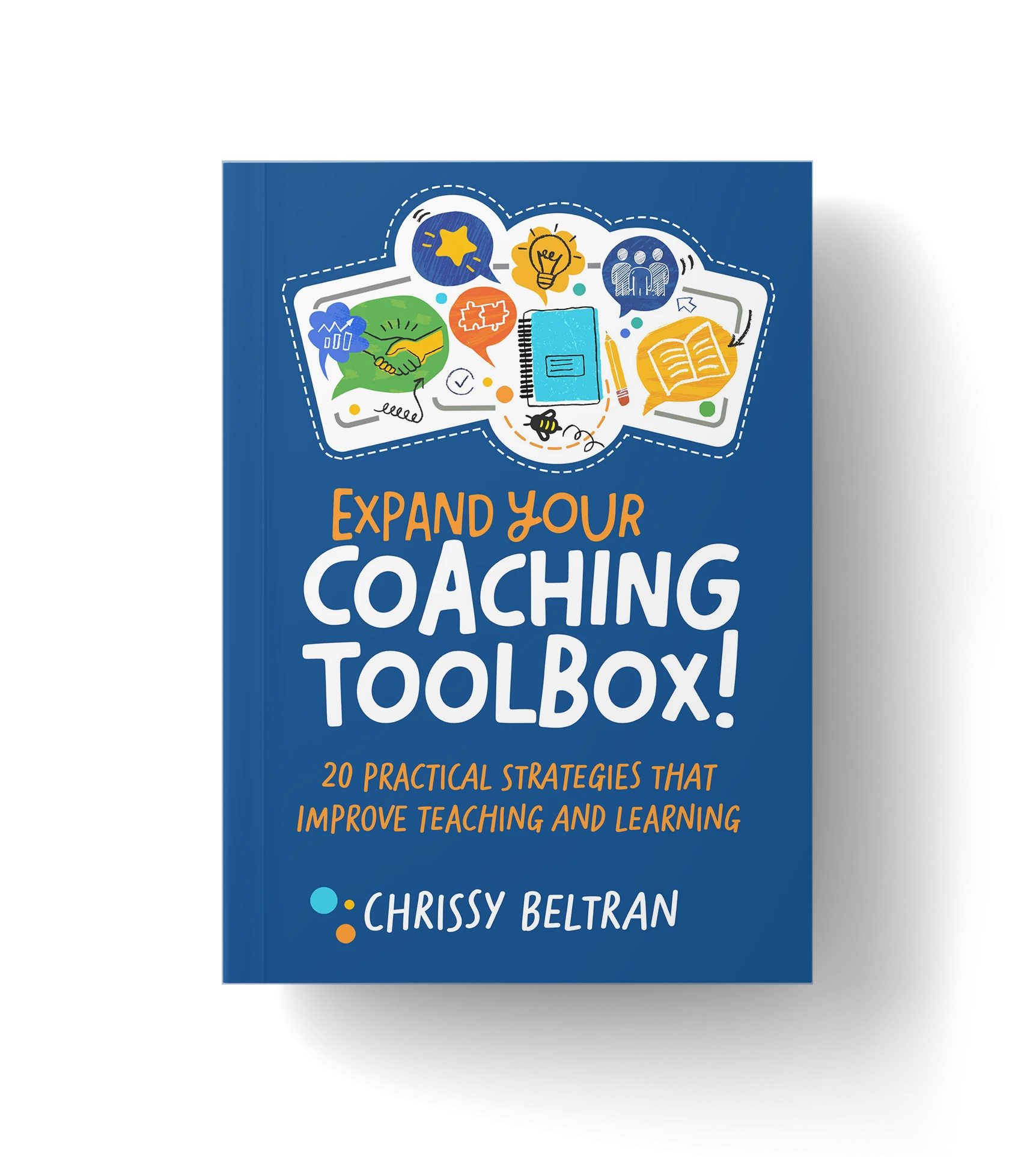
My new book, Expand Your Coaching Toolbox!, is now available for pre-order. If you’re looking for practical ways to work with teachers, respond to their individual needs, and move beyond coaching approaches that haven’t worked in the past, this is the book for you! I really think you’re going to love it!
How Many Coaching Cycles Can I Do at the Same Time?
Another thing I hear a lot from coaches is, “How many coaching cycles can I do at the same time?” They’ll tell me they have 45 teachers and want to know how to get them through two cycles a year. I tell them that doesn’t seem doable to me.
The reality of coaching in a school is that everybody has a very full calendar. It’s impossible to do a traditional six-week coaching cycle where you’re in the classroom three times with each teacher. And who decided it had to be a certain number of weeks anyway!
It’s more important to be responsive to our teachers and meet their current needs!
Job Title: Person Who Doesn’t Have a Class of Their Own
When I first started coaching, I ran into many of these common challenges with the traditional coaching cycle. I felt like such a failure because, apparently, my job was “Person Who Doesn’t Have a Class of Their Own.”
Instead of focusing on coaching cycles and getting into classrooms, I was doing a lot of collaborative planning, digging into data, creating common assessments, and spending time in the hallways building relationships.
And honestly? It didn’t always feel like coaching.
I had so much optimism, and then I faced the reality of such a busy, busy day that I didn’t feel like I was making the difference I wanted to on campus. If this is you, you’re not failing! Your model is just not complete and practical for the school you’re working in.
Traditional coaching cycles say coaching is the coaching cycle, and that’s it! If you’re not doing a coaching cycle, you’re not really coaching teachers.
But coaching is so much more! Every interaction is an opportunity to build teacher capacity.
It’s a completely different way of thinking about coaching, and we need to embrace it!
Why Coaching Cycles Feel So Hard
There are many reasons traditional coaching cycles feel challenging. Here are the top three reasons I hear in the field:
1. Time
Schedules in schools are complicated and jam-packed! No one has time for a traditional coaching cycle, neither coaches nor teachers. Finding time for observations, debriefs, and meetings can be incredibly challenging.
2. Teacher Readiness
Not every teacher is ready to jump into a traditional coaching cycle or invite you into their classroom to do high-impact work right away. Some teachers are excited for coaching, but others want you to stay out!
3. Schools Are Messy
Real schools don’t operate in perfect four-week increments; you can put on a rotation. Reality interrupts. Different times of the year look different, and that’s OK.
Coaches have to respond to the reality around them. If you’re carrying a lot of guilt because you haven’t been able to do coaching cycles the way they’ve been taught to you, please let it go! It’s not your fault.
Instructional coaches often have to fight to do their jobs without getting pulled in a dozen different directions. The truth is, most schools don’t have a clear, shared definition of what coaching is, why it matters, or how we get there.
So if your coaching doesn’t always look like a traditional coaching cycle, that doesn’t mean you aren’t coaching. It means you’re responding to the needs of your teachers and your school.
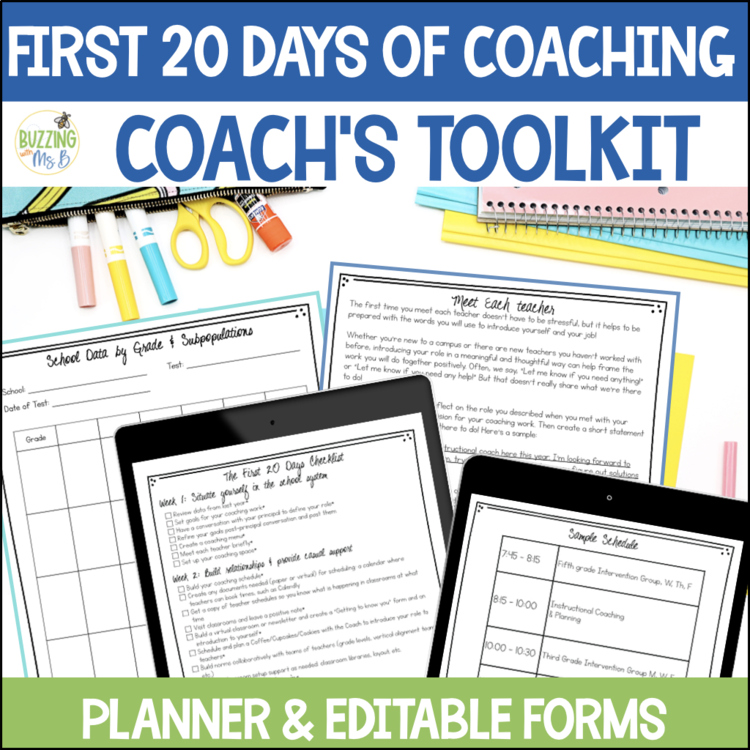
Starting out as an instructional coach can be so overwhelming! It can feel like there are too many things to do, and you just don’t know where to start. This resource includes a guide, printables, and fillable forms (PDFS) to build relationships, have a dialogue with your administrator, review data and make a plan, visit classrooms, and more! Get the First 20 Days of Instructional Coaching Start Up Kit and Forms today!
What to Try Instead of a Traditional Coaching Cycle
Instead of using the same approach with every teacher, we need to meet teachers where they are. That means figuring out what each teacher needs in the moment and using that interaction to create a path toward classroom work together.
Not every teacher needs the whole coaching cycle right now. Some may need to get to know you better before they trust you in their classroom. Others may be ready to jump right in.
The reality is that the relationship starts before the coaching cycle, and it continues through the coaching cycle as we stay responsive to teachers’ needs.
Here are three things I hope you take away from this episode:
Shift #1 – Ask “ How many teachers did I help?”
Stop asking: “How many coaching cycles have I completed?”
This is important but not the only way to serve your teachers.
Start asking: “How many teachers did I help grow this week and in what ways?”
Look at where you leaned into opportunities and how they helped move the coaching relationship forward. Think about what new classrooms you got into and who has made adjustments to their teaching because of the work you did together. All of this is coaching!
Shift #2 – Build Your Coaching Toolbox
Not every teacher needs the same support, and not every teacher is ready for the same kind of support. Just like a mechanic, instructional coaches need a toolbox, not just one tool. We need to figure out what our teachers need and offer differentiated strategies.
Examples of support include:
- Check-ins
- Data review
- Planning
- Student work analysis
- Modeling
- Sounding board conversations
- Video coaching
- Mini coaching cycles
My new book, Expand Your Coaching Toolbox!, is available for pre-order right now. If you’re looking for practical ways to work with teachers, respond to their individual needs, and move beyond coaching approaches that haven’t worked in the past, this is the book for you! I really think you’re going to love it!
Shift #3 – Look for Coaching Opportunities Hiding in Everyday Conversations
There are lots of coaching opportunities hiding in your conversations with teachers.
- Someone complains.
- Someone asks a question.
- Someone says: “My kids just aren’t getting this.”
Those aren’t interruptions. They’re coaching invitations. The door is opening so you can provide support to that teacher.
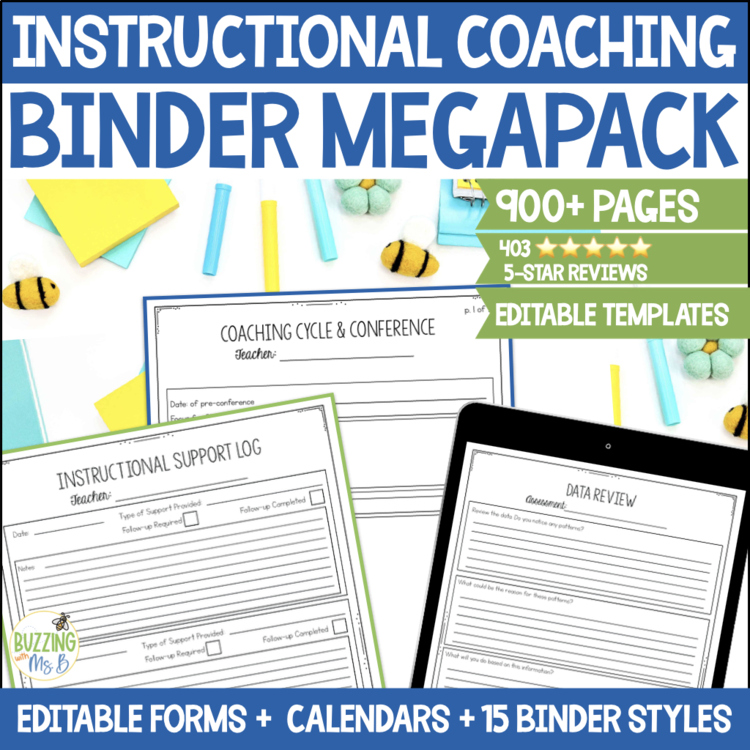
Be ready for anything with the Instructional Coaching Editable Binder Megapack!
It includes forms, templates, and everything you need to get organized for instructional coaching! Coach teachers and document your coaching work with these printable and editable tools. Grab the Instructional Coach Binder Megapack in my TpT Store!
Why You Might Be Struggling with the Traditional Coaching Cycle and What to Do Instead
This week, instead of trying to start another coaching cycle randomly because you feel like change needs to happen in a classroom, ask:
What’s one small coaching opportunity I can say yes to today?
Find one small place where you can start instead of jumping into a six-week coaching cycle, which honestly just stresses everyone out!
Coaching isn’t about using the perfect tool all the time. It’s about choosing the right strategy for the teacher in front of you. That might be a teacher who is working with you, complaining to you, or showing you something they’re excited about.
If the tips in today’s episode resonated with you, you’re going to love the book Expand Your Coaching Toolbox! The entire book is built around the idea that coaches need more than one strategy to respond to teachers’ needs. Inside the book, there are 20 practical coaching strategies that can help you make every interaction count.
Listen now to learn more about why you might be struggling with the traditional coaching cycle!
Topics and Questions Discussed in Episode 294 – Why You Might Be Struggling with the Traditional Coaching Cycle
- Why you might be struggling with the traditional coaching cycle
- Why traditional coaching cycles feel so hard
- What to try instead of coaching cycles
- Looking for coaching opportunities in everyday conversations
- Leveraging small interactions for future coaching opportunities
- Supporting teachers at different readiness levels
- The importance of expanding your coaching toolbox and differentiating your approach
Turning Insight Into Action: Practical Steps You Can Take After Listening
Here are simple actions you can take today:
1️⃣ Pre-Order Expand Your Coaching Toolbox!: 20 Practical Strategies That Improve Teaching and Learning
Free yourself and your school from rigid 90-day coaching cycles with this flexible, differentiated approach! Pre-order my new book, Expand Your Coaching Toolbox!: 20 Practical Strategies That Improve Teaching and Learning!
2️⃣ Join the Instructional Coaching Club!
The Instructional Coaching Club is an online membership designed to help instructional coaches improve instruction at their schools. It gives coaches the tools to go out and do it.
Ready to listen?
This post contains links to products from one or more of our advertisers. This means I may receive commissions for purchases made through links in this post when you click on links to those products. Thank you for your support!
Learn more
- Episode 212- Differentiating Coaching Strategies to Meet Teacher Needs
- Buzzing with Ms. B on Instagram
- Join My Facebook Group: Instructional Coaching with Ms. B
- Chrissy Beltran on LinkedIn
- FREE First 20 Days of School Checklist
Helpful Resources
- Pre-Order my book, Expand Your Coaching Toolbox!: 20 Practical Strategies That Improve Teaching and Learning
- Join the Instructional Coaching Club
- Instructional Coach Binder Megapack – Editable Forms, Calendars, Planning Tools
- Instructional Coaching Binder Megapack – Editable Forms, Documents & Tools on TpT
- Buzzing with Ms. B TpT Store
Listen on: Apple Podcasts, Spotify, or your favorite listening app
Thank you for listening to Buzzing with Ms. B: the Coaching Podcast. Want more coaching ideas
Check me out at buzzingwithmsb.com and on Instagram @buzzingwithmsb.
If you love the show, share it with a coach who would love it too, or leave me a review on iTunes! It’s free and it helps others find this show, too. Happy coaching!
Podcast produced by Fernie Ceniceros