
Why Intentional Habits Matter for Purposeful Collaboration (Podcast Guest Episode)
Strong collaborative teams don’t happen by accident. They’re built, one intentional habit at a time.
I joined Kurtis Hewson of Jigsaw Learning on Building a Culture of Collaboration (episode 41) to talk about why intentional habits are so critical for purposeful collaboration, and what I’ve learned from my classroom and coaching experience about building strong collaborative cultures in schools.
Collaboration on Purpose, Not by Default
So many teams meet because the schedule says they should. Purposeful collaboration is different. It means the team knows why they’re meeting, what they’re working toward, and how they’ll know it’s working.
Habits That Make Teams Stronger
- Clear purpose. Every meeting connects to a shared goal for students.
- Consistent structures. Agendas, norms, and protocols free the team up to focus on the work.
- Shared ownership. Rotating roles keeps everyone engaged (not just the facilitator).
- Follow-through. Decisions turn into action in classrooms, and the team circles back.
Where Coaches Fit In
As coaches, we’re in a unique spot to help teams build these habits. We can model protocols, facilitate until the team is ready to take over, and help connect what happens in the meeting to what happens with kids.
Listen to the Episode
Listen to episode 41 of Building a Culture of Collaboration here. I went back on the show for episode 108, too! Read about what to do when collaborative teams aren’t working.
Tools for Building Team Habits
Want ready-made structures for your team meetings? The PLC Forms Toolkit Bundle has agendas, norms, and roles, and my Purposeful PLCs PD video shows you how to put them to work.
Keep Reading
Want More Coaching Strategies Like These?
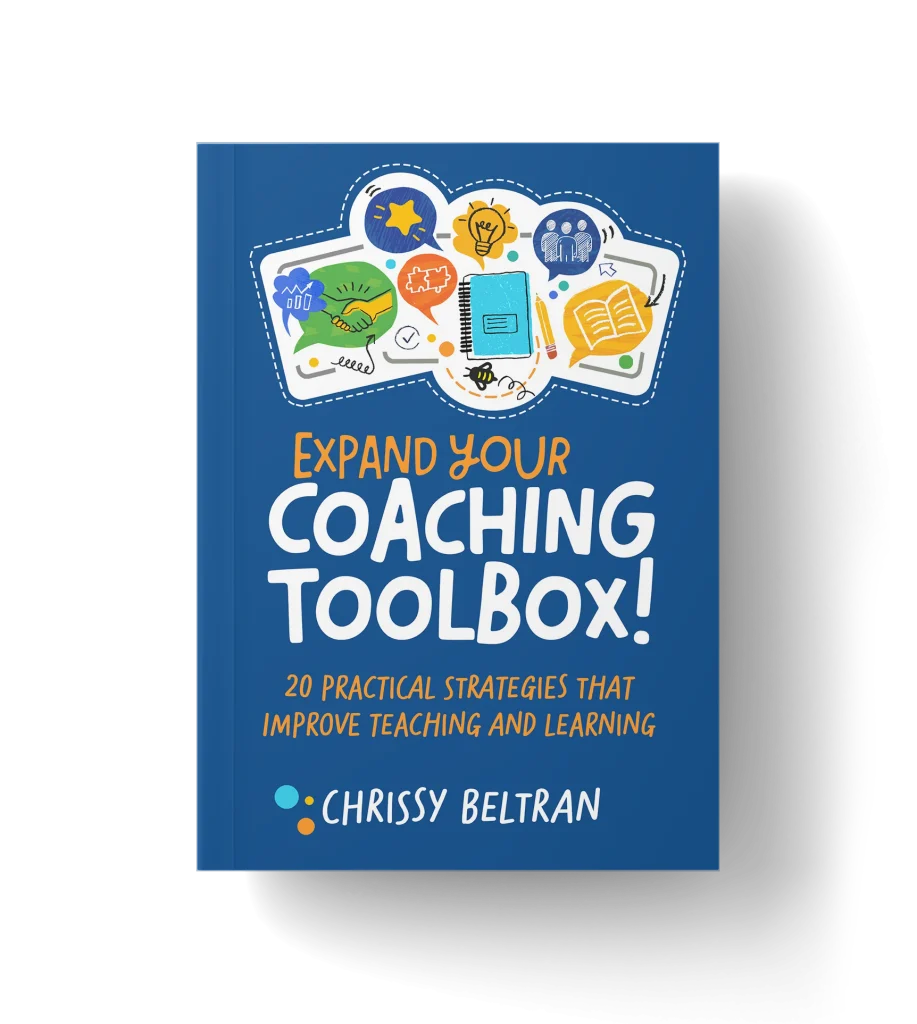
Everything I shared in this conversation connects to my new book, Expand Your Coaching Toolbox (ASCD + ISTE). It’s packed with practical, differentiated coaching strategies for building relationships, building knowledge and alignment, and building classroom skill, so you can meet every teacher right where they are.


