Unlocking Language: Tips and Tools for Teaching Vocabulary
Unlocking Language: Tips and Tools for Teaching Vocabulary
Building a rich vocabulary is one of the best gifts we can give our kids! But let’s be real—teaching vocabulary effectively can sometimes feel like a juggling act. Here are some tried-and-true tips (and a few amazing resources) to make vocabulary instruction fun and meaningful in your classroom.

A Quick Refresher on the Three Tiers of Vocabulary
Not all words are created equal! Vocabulary words can be grouped into three tiers, and each requires a different approach:
- Tier One: These are the everyday words like dog, run, and happy. Most kids pick these up naturally, so we don’t usually need to teach them explicitly (unless you’re working with English language learners!).
- Tier Two: These are the super useful words like analyze, compare, and explain. They pop up across subjects and contexts, so it’s worth spending time on these!
- Tier Three: These are your content-specific words like photosynthesis or pioneer. They’re best taught during your science, social studies, or math lessons when they’re already relevant.
To read more about vocabulary tiers and research-based instruction, I recommend Bringing Words to Life: Robust Vocabulary Instruction by Beck, McKeown & Kucan.

For helping kids really dig into Tier Two and Tier Three words, the Frayer Model Vocabulary Organizer is an awesome tool. It gets them defining, illustrating, and connecting new words to what they already know.
More on the Frayer Model
The Frayer Model is one of those go-to tools that’s simple but so effective for teaching vocabulary or new concepts. If you haven’t used it before, it’s basically a graphic organizer that helps kids break a word or idea into bite-sized chunks. It works wonders because it gets students thinking critically and making connections—exactly what we want, right?
Here’s what the classic Frayer Model includes:
- Definition: What does the word mean? Keep it simple and clear.
- Characteristics: What are its key features or traits?
- Examples: When would you see or use this word? Real-life examples are great here.
- Non-examples: What isn’t this word? Highlighting the differences really helps clarify meaning.

Teach Vocabulary in Context
Here’s the thing: random word lists? They just don’t stick. Instead, teach words that tie into what your kids are already learning. For example, if you’re doing a unit on ecosystems, introduce words like biodiversity, adaptation, and niche. It makes learning more meaningful and way more engaging!
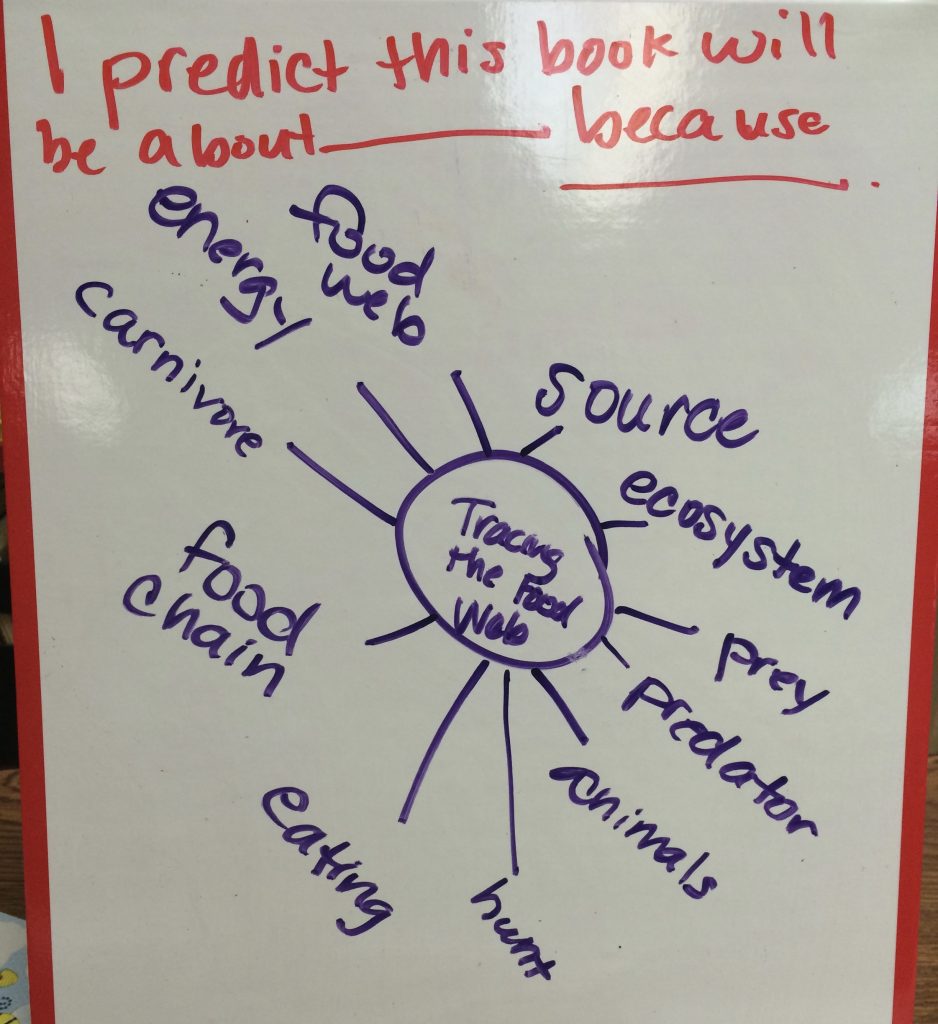
The brain loves connections, so link new words to familiar concepts and experiences. For example, when teaching symmetry, you could show pictures of butterflies or draw on math concepts they already know.
Want a fun way to practice vocab once the context has been established? Try Mix, Pair, Share! It gets kids moving, talking, and practicing vocabulary in a fun, collaborative way. You’ll love how engaged they are—and they’ll love showing off their new words!
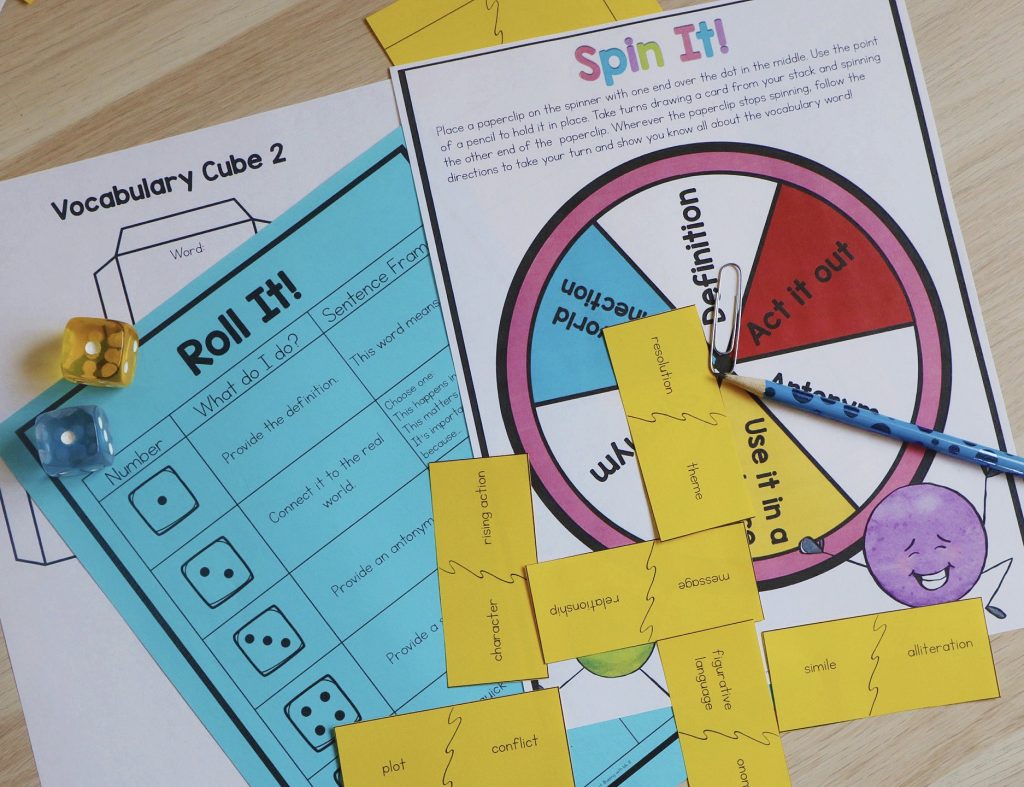
Mix, Pair, Share.
Create Opportunities for Practice
Repetition is key when it comes to making new words stick—but it doesn’t have to be boring! Give kids plenty of chances to see, say, and use their new words throughout the day:
- Reading: Choose books or articles that naturally include your target vocabulary. Prepare vocabulary cards for students to sort and discuss if they are relevant to the book in focus.
- Speaking: Partner kids up for discussions or group activities where they can try out their new words.
- Writing: Encourage them to sneak their vocabulary words into their journal entries, stories, or reports.
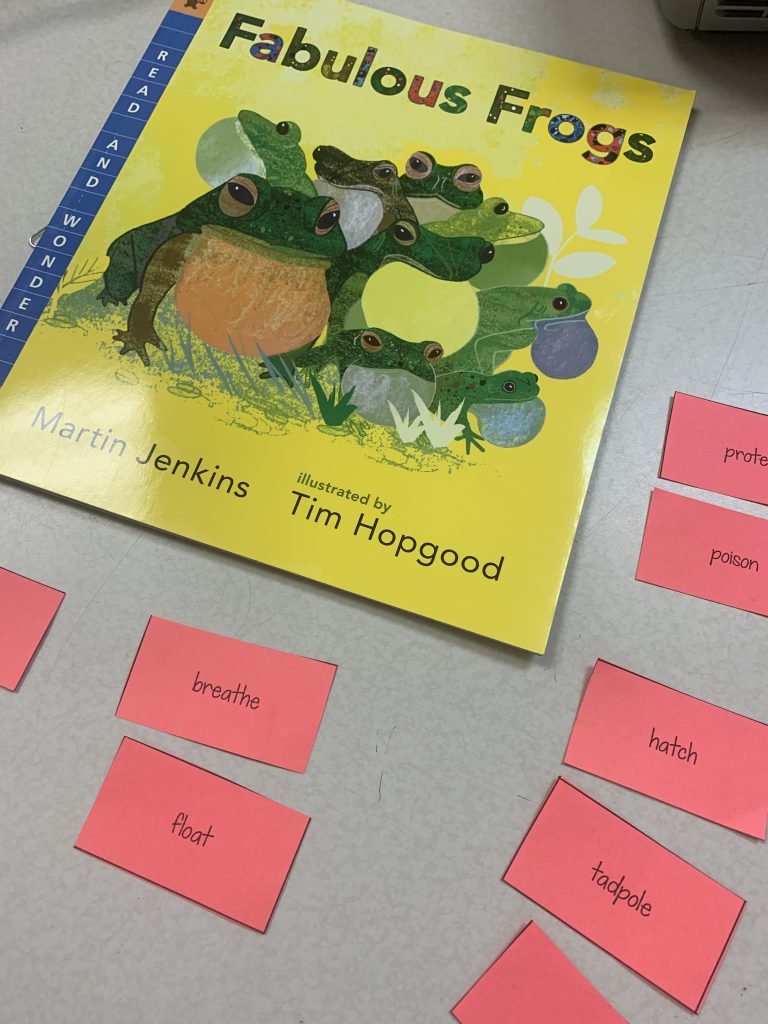

A classroom favorite is Roll & Read Game Boards. It’s a hands-on way for kids to practice multisyllabic words while tying them to what they’re learning. Plus, who doesn’t love a good game?

Encourage Ownership Through Usage
Kids truly “own” a word when they can use it confidently in their conversations and writing. Let’s celebrate their success! Create a classroom culture where new words are exciting and fun:
- Display a Word Wall with colorful examples and definitions.
- Play word games like Word Detective or challenge them to write silly sentences using their vocabulary.
- Give lots of praise when they use their new words correctly—you’ll see their confidence soar!
The Frayer Model can also help track how their understanding of words grows over time. It’s a great way to see their progress in action!
Build Vocabulary With Meaningful Tools
Teaching vocabulary doesn’t have to be a chore. When you tie words to meaningful topics, provide plenty of practice, and use engaging resources like Roll & Read, Mix, Pair, Share, and the Frayer Model, you’ll make vocabulary instruction exciting and effective!
Grab the ready-to-go activities to teach vocabulary in your classroom!
Here are the links to the resources mentioned in this post:


**Some links on this page are affiliate links**