Help students analyze characters in fiction with mentor texts
Help students analyze characters in fiction with mentor texts
Let’s chat about one of the most exciting aspects of teaching fiction: character analysis! We all know that fiction is all about characters, right? So, it’s super important for our kids to develop a solid grasp of how to analyze and evaluate these characters in the stories they read.
But what does that really mean? It goes beyond just recognizing who’s who in a book.
We want our kids to dive deeper and ask themselves questions like:
🔍 How did the characters change and develop throughout the plot?
🔍 What was the character thinking and feeling? How do we know that?
🔍 What can we infer about the character based on what we’ve been told?
🔍 What problem is the character facing, and how do they solve it?
To get there, we need to start by digging into the characters themselves! And you know what? This process is not just about the characters; it also opens up a world of vocabulary building. Below we’ll dive into a few areas to focus on, along with some engaging activities and suggested mentor texts to make character analysis come alive in your classroom!
1. Vocabulary Development
One of the biggest barriers for younger students to discuss characters is a lack of vocabulary. To support and develop this, you can provide students with a list of character traits to choose from when their vocabulary is limited.
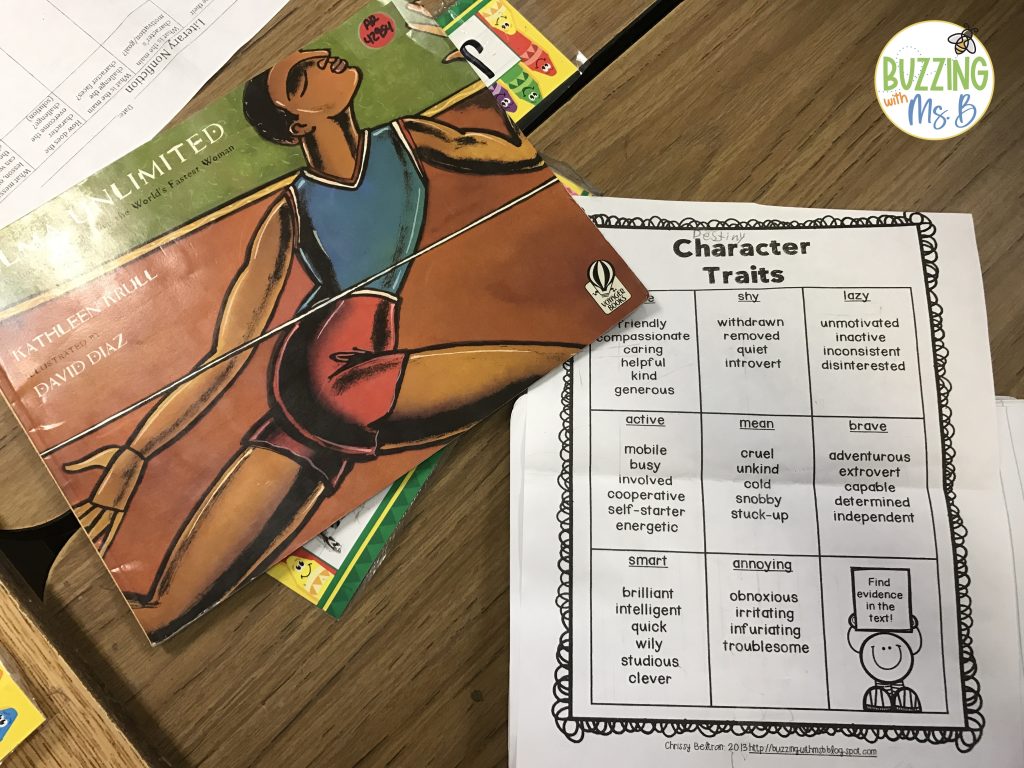
with required vocabulary.

Wilma Unlimited by Kathleen Krull
You can also build a character traits anchor chart and add characters beneath each trait as you read multiple mentor texts. This visual will be a fantastic reference for your kids!
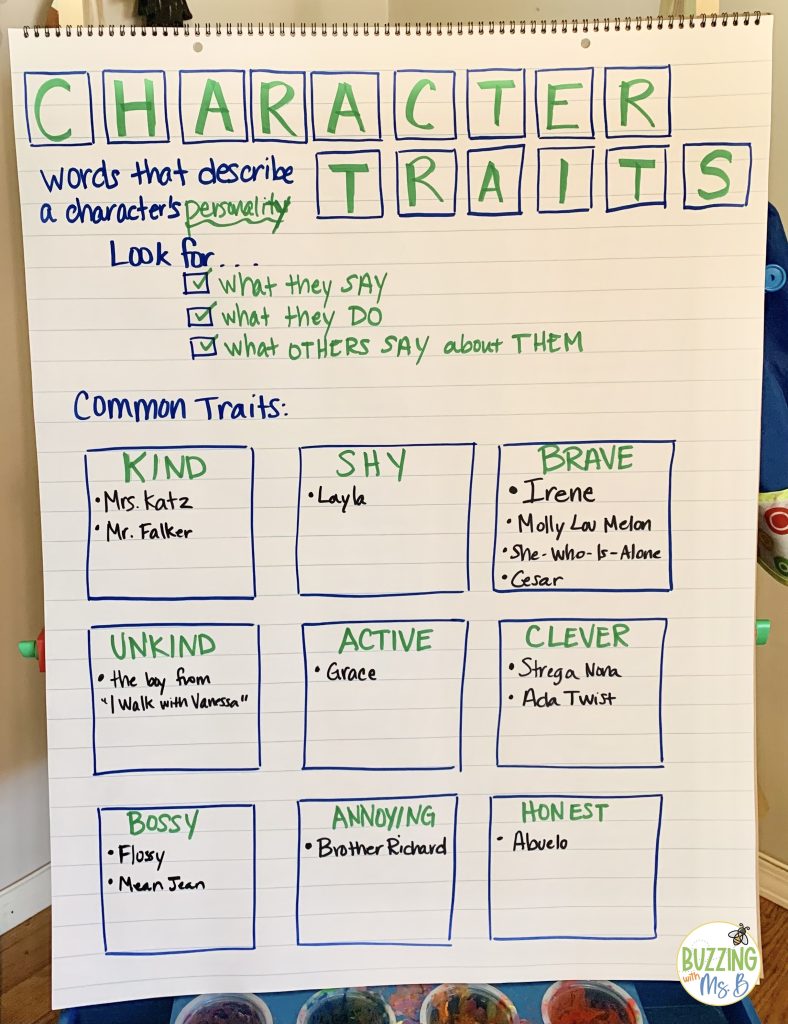

Chrysanthemum by Kevin Henkes
These vocabulary resources and more are included in my Character Analysis Pack.
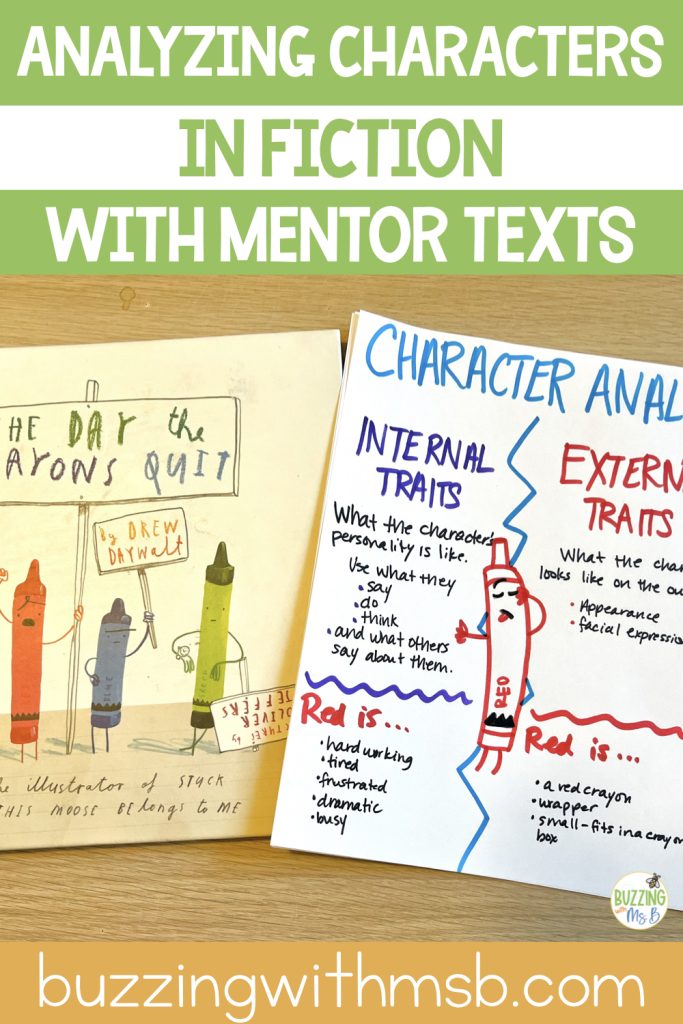
Internal & External Character Traits
Once we’ve developed a common vocabulary to discuss character traits, let’s help our kids identify character traits—both internal and external. What is their personality like? What do they look like? Are they brave, kind, sneaky, or maybe a little misunderstood? Creating a chart like the one below can help students separate the two and see the clear differences.
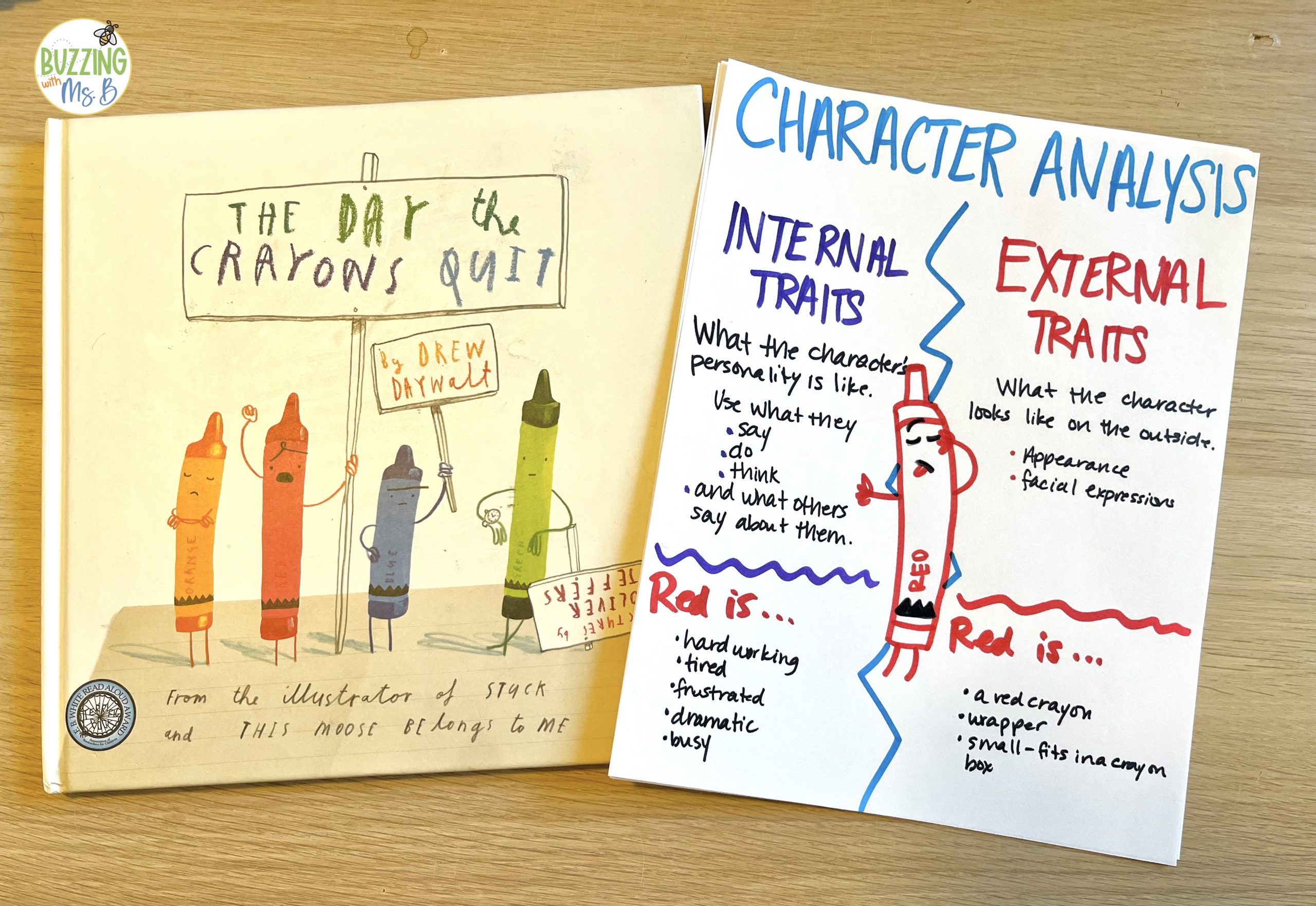
The Day the Crayons Quit

The Day the Crayons Quit by Drew Daywelt
Explore internal and external character traits with my Character Analysis pack.
Words, Actions, Thoughts
Next, introduce the types of evidence for character analysis: things characters do, things they say, what they think, and things others say about them. Record what students notice directly onto an anchor chart or make notes on post-its and have students sort them onto a graphic organizer, like the one pictured below (available here).
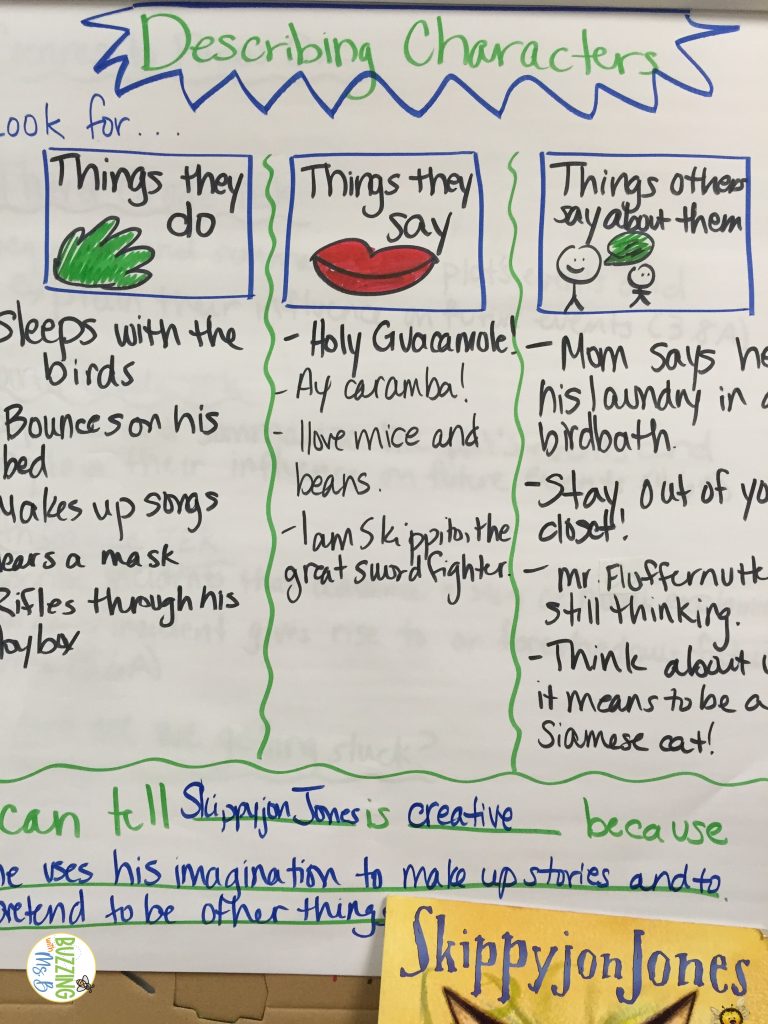
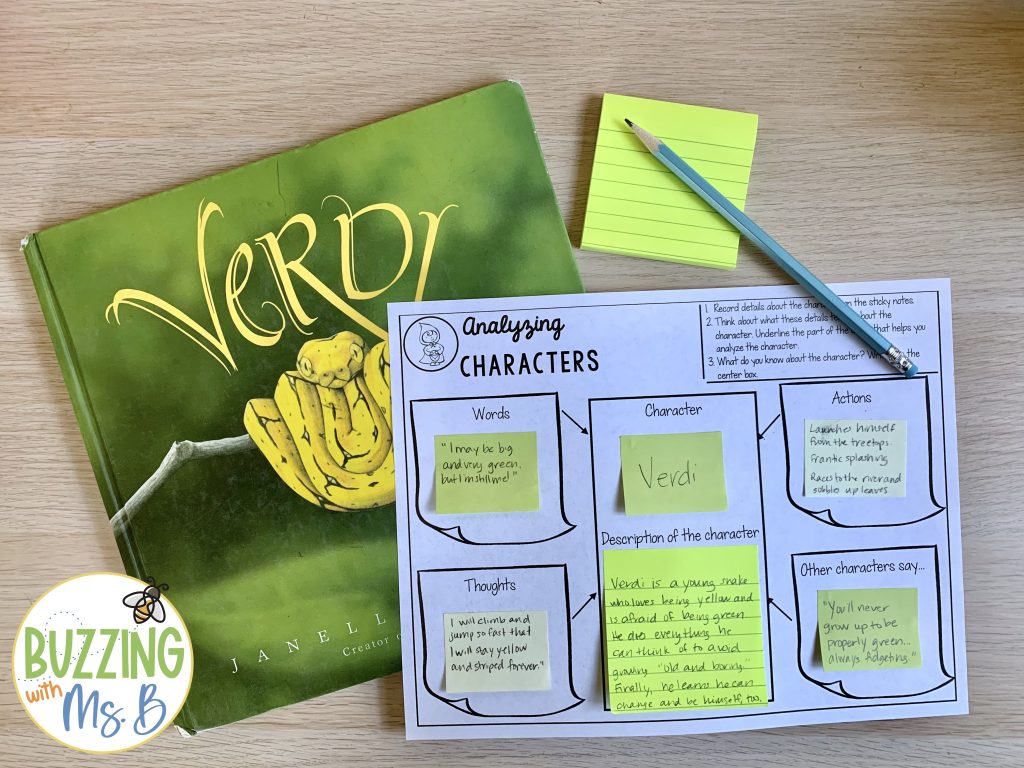
Chart included in my Character Analysis Pack.

Verdi by Janell Cannon

Mae Among the Stars by Roda Ahmed
As an extension, create a chart to help students record this evidence from the text and make inferences based on it. This will guide them in understanding how these elements contribute to the character’s development.
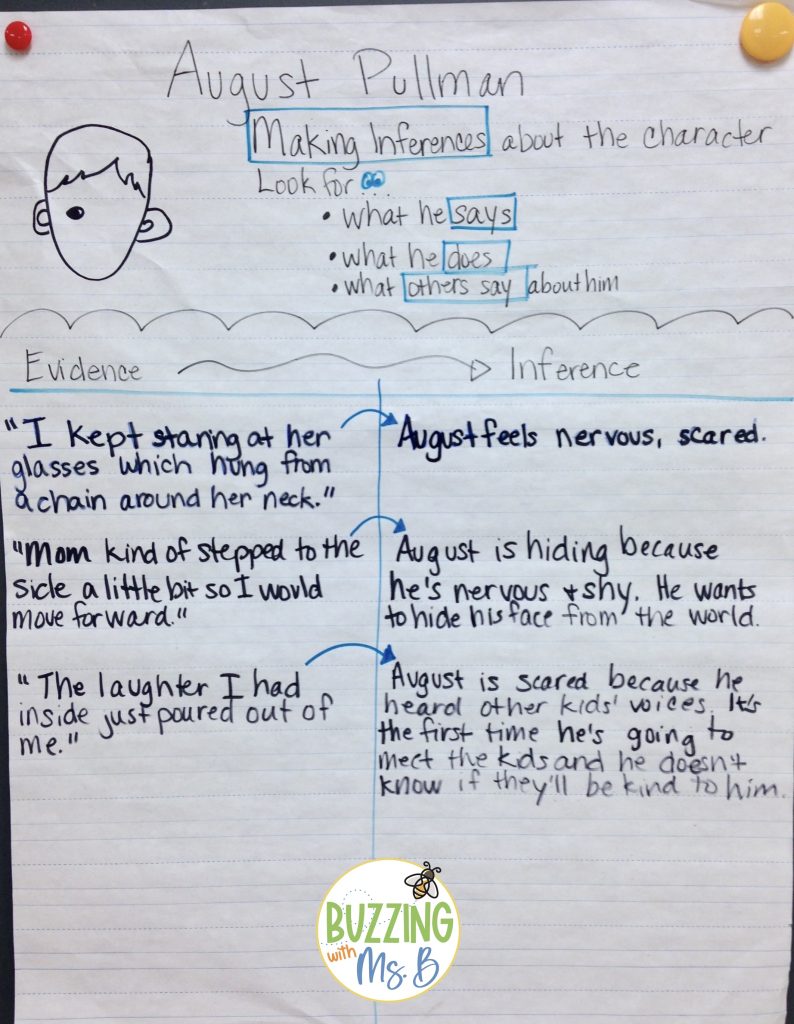

Wonder by R. J. Palacio
Prompting students to go further
As kids dig into characters’ actions, emotions, and motivations, encourage them to write responses using sentence starters like “I can tell…” or “This is important to the story because…” This structure will help them articulate their thoughts and connect feelings to character actions.
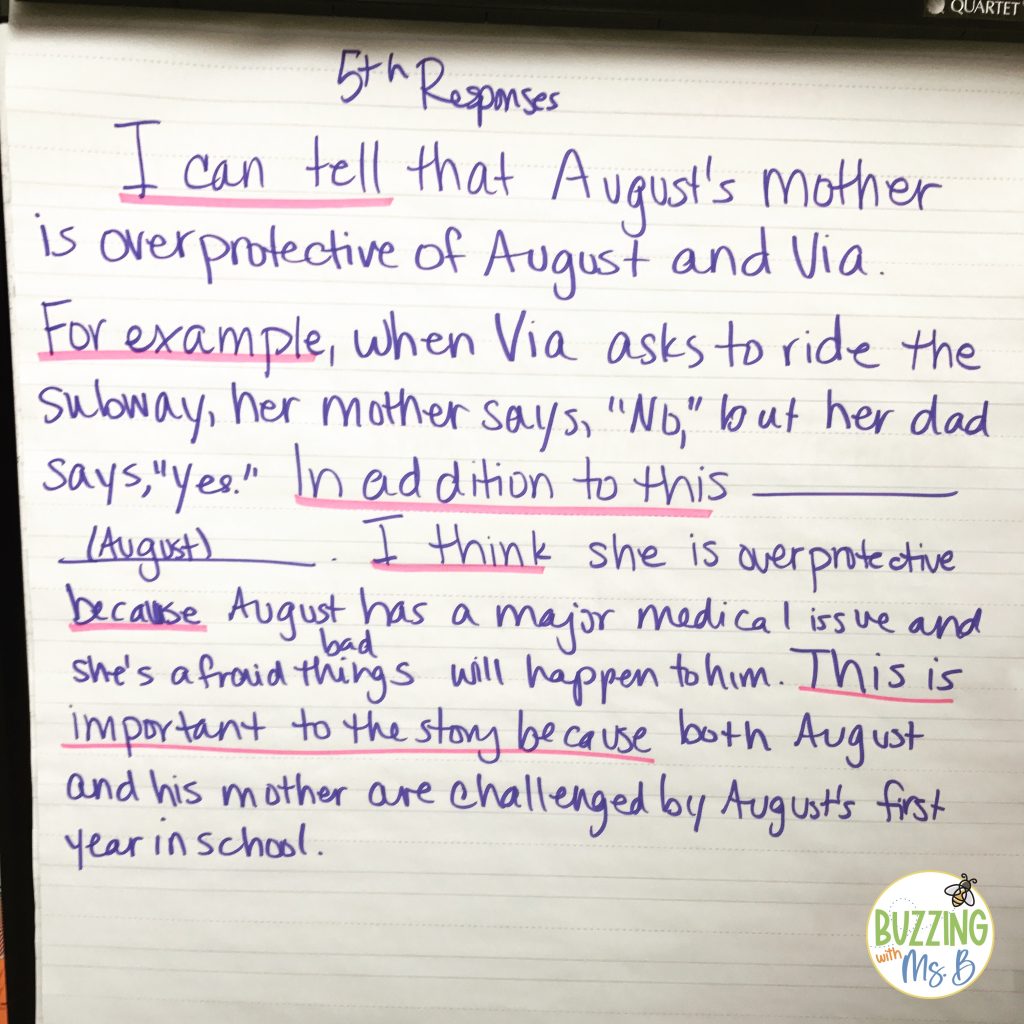
You can also guide students with prompting questions and have them hunt for the evidence in the text. A chart, like the one pictured below, is a great way to record the questions, the answers, and the evidence from the text to help kids make strong connections with what they’re reading.
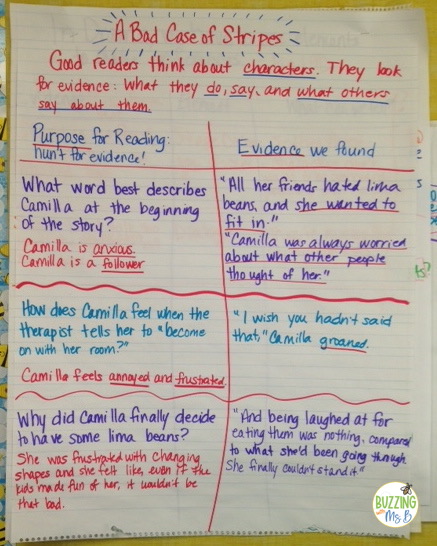

A Bad Case of Stripes by David Shannon
Exploring Character Thoughts and Feelings
Encourage creativity by having students create an open-minded portrait that explores a character’s thoughts and feelings. This artistic approach can help them visualize the inner lives of the characters they study.
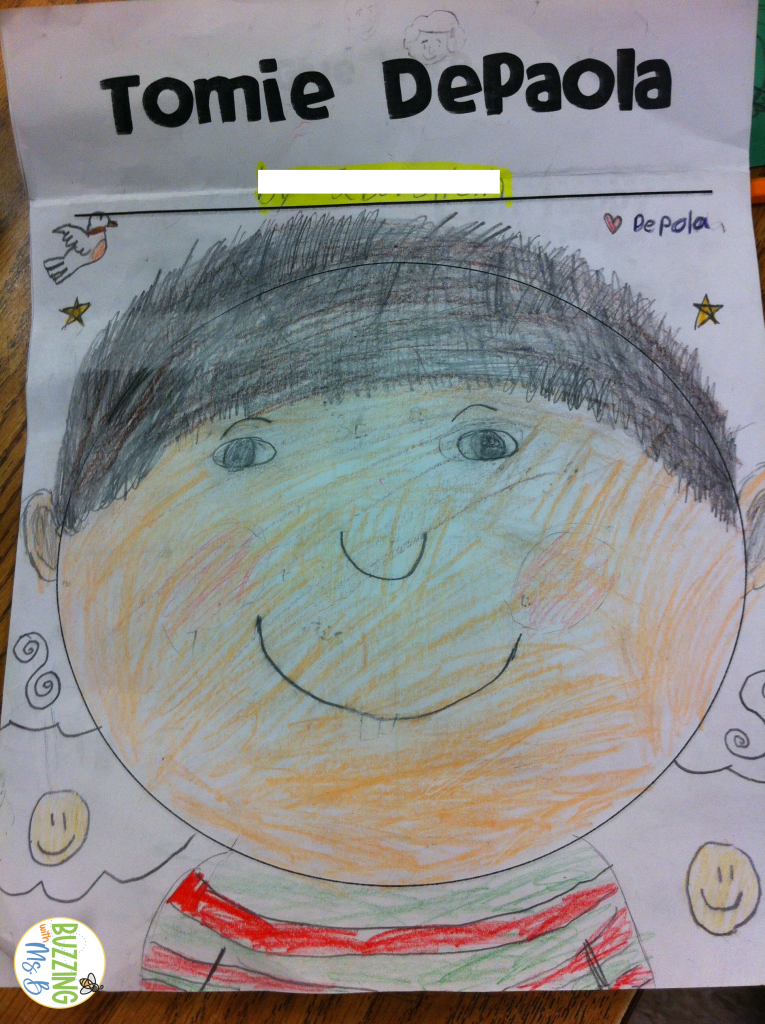
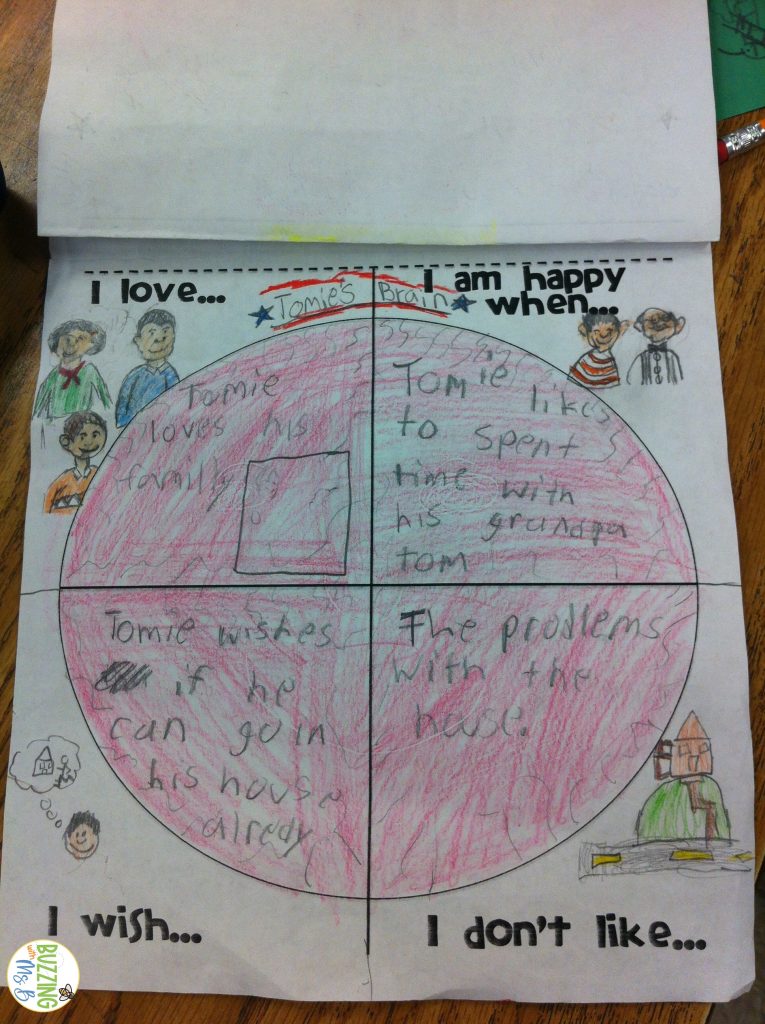
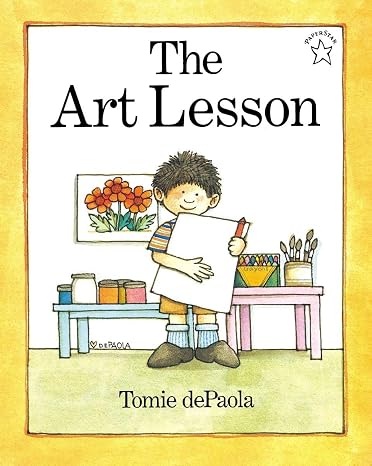
The Art Lesson by Tomie DePaola
Tracking Character Changes
Finally, help students use timelines or accordion folds to track character changes over time. This activity can deepen their understanding of character development and how events shape a character’s journey.
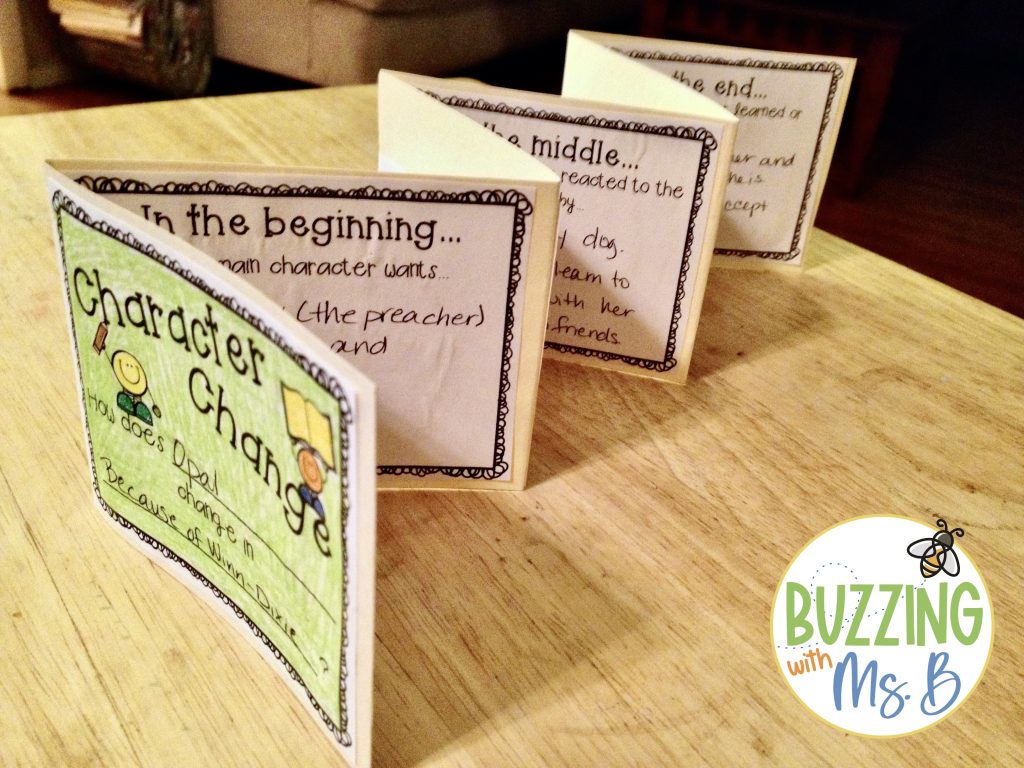

Every Living Thing by Cynthia Rylant
Character Relationships
Finally, let’s talk about the relationships between characters. Are they positive or negative? Do they support one another or create conflict? This part of character analysis is crucial, as it helps kids understand the dynamics at play and how these relationships influence the plot.

41 Character Analysis Posters, Activities & Printables.
By incorporating these activities and focusing on the areas above, we can empower our kids to become character experts! So let’s roll up our sleeves, dig into some fantastic fiction, and watch our kids flourish as they uncover the richness of characters and their stories. Happy teaching!
Resource Packs for Analyzing Characters
This resource gives kids the tools they need to dig into character traits. They’ll work together on a hands-on group activity to build an anchor chart, join discussions during a modeled lesson, practice with fun, differentiated task cards, and show what they’ve learned through reading responses.


**Some links on this page are affiliate links**