Foundational Reading Strategies – The First Three I Teach & Why They Matter So Much!
Every year, when I sit down to plan out my reading instruction, I come back to the same three foundational reading strategies. These are my non-negotiables. From day-one, week-one, let’s-build-the-foundation strategies.
They are:
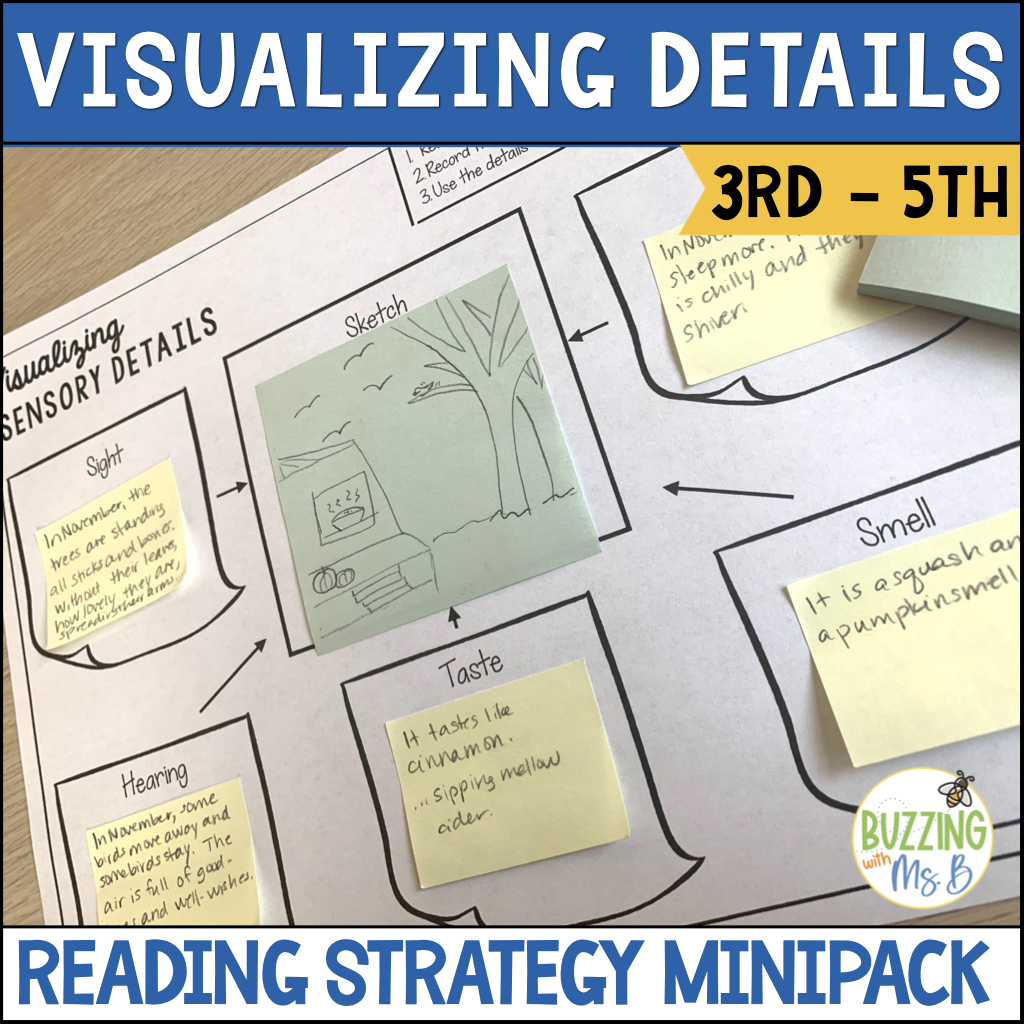
- Visualizing
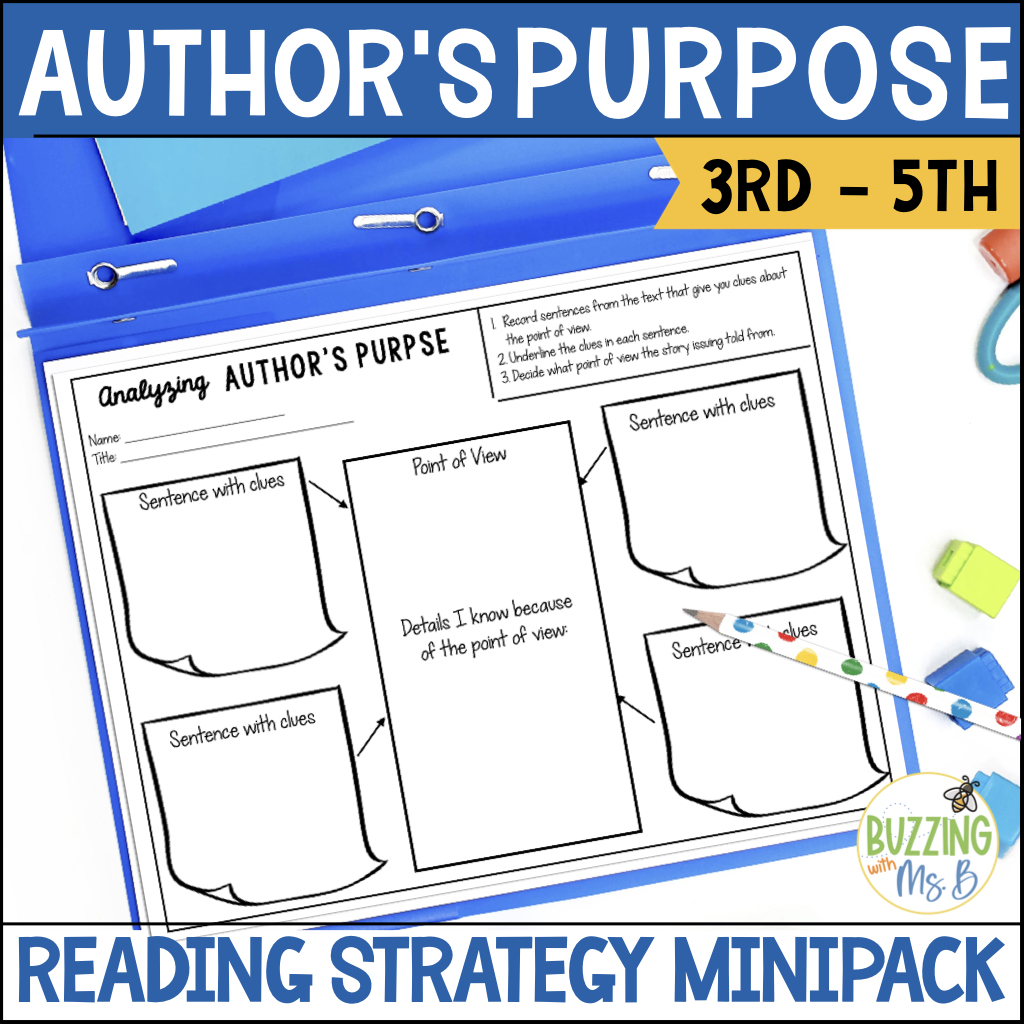
- Understanding Author’s Purpose
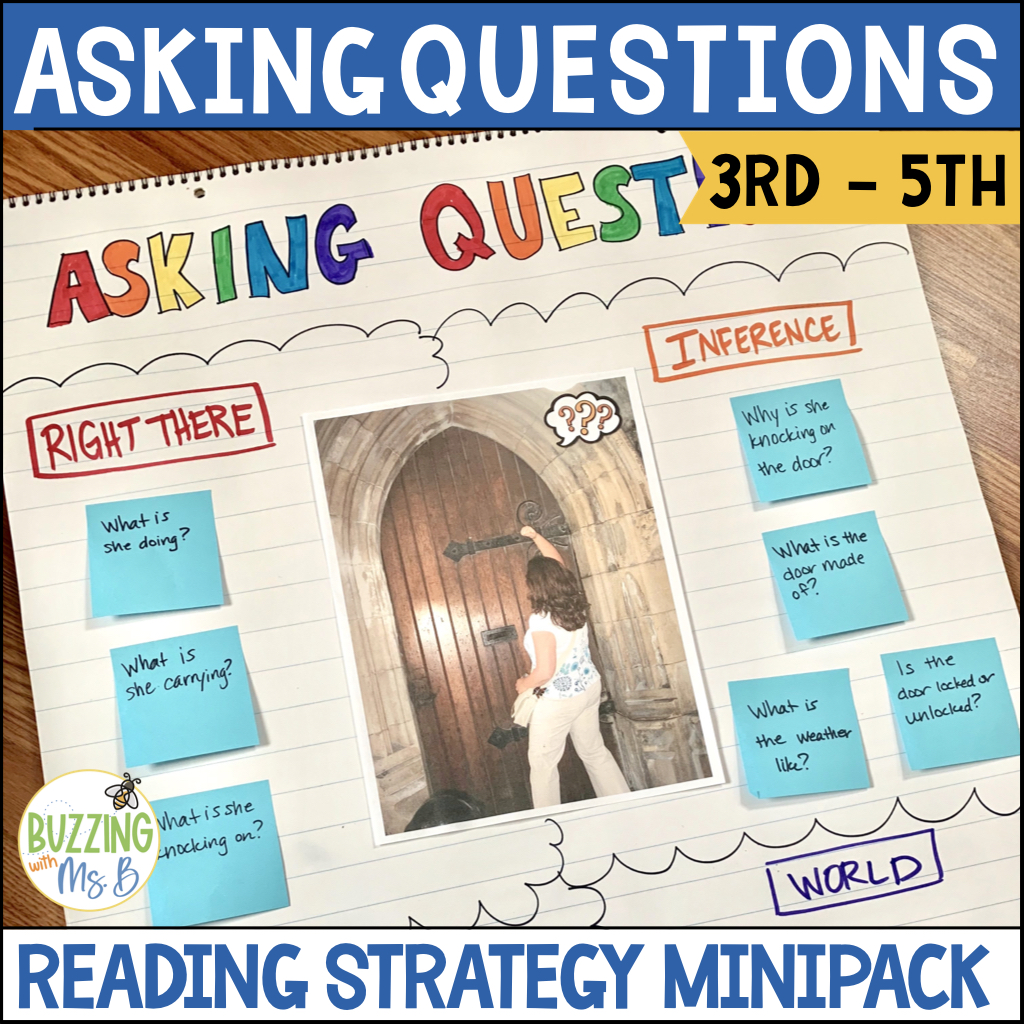
- Asking Questions

These three aren’t just strategies—they’re the launchpad. If kids can master these, the rest of our comprehension work is so much smoother. But if they don’t? Yikes. Everything else starts to feel like wading through molasses. So today I’m sharing how I teach these first three foundational reading strategies, in the exact order I teach them—and why they’re the perfect trio to start the year!
1. Start with Visualizing
Visualizing is where the magic begins. It gives students something to hold on to while they read, even if they don’t understand every word yet. It helps them see and feel the text—and that makes everything else click.
We talk about how our brain is like a movie projector, and the author gives us the script. I love using The Seashore Book by Charlotte Zolotow, to get those sensory images flowing. Even informational texts work here—One Tiny Turtle by Nicola Davies is perfect for building rich mental images while learning facts. We draw our “mind movies,” label sensory details, and practice stopping to see the text in our heads.
Want a ready-to-go resource for this? My Visualizing Reading Comprehension Passages and Activities pack makes it easy to guide students from surface-level descriptions to deeper mental images.

🖍 Teacher Tip: Start with short passages and pause often. Let students share and compare their images. It’s not about being right—it’s about using text evidence to visualize.
The perfect books for exploring visualization..

The Seashore Book by Charlotte Zolotow
A mother describes a day at the beach to her son who has never seen the ocean, painting a vivid picture through rich, sensory language.
👉 Perfect for visualizing because the descriptive text invites students to create detailed mental images using their five senses.

In November by Cynthia Rylant
A lyrical exploration of the changes in nature and family life during November, filled with poetic imagery.
👉 A strong example for visualizing seasonal changes and sensory details that evoke mood and setting.

Kitchen Dance by Maurie J. Manning
A young girl wakes to the sounds of her parents dancing in the kitchen at night, creating a joyful, rhythmic celebration of family life.
👉 Helps students visualize movement, sound, and emotion through expressive illustrations and text.

Home Run: The Story of Babe Ruth
by Robert Burleigh
A poetic biography of Babe Ruth, blending facts with vivid language and rhythm.
👉 Encourages students to visualize scenes from history and action-packed sports moments.

One Tiny Turtle by Nicola Davies
Follows a loggerhead turtle from hatching to adulthood, weaving nonfiction facts with gentle narrative.
👉 Great for visualizing life science content with richly descriptive, accessible text.
2. Next Up: Author’s Purpose
Once we’re seeing the text, we’re ready to think about why it was written. This is where Author’s Purpose comes in.
Understanding the intent of the author is very connected to the genre of the text.

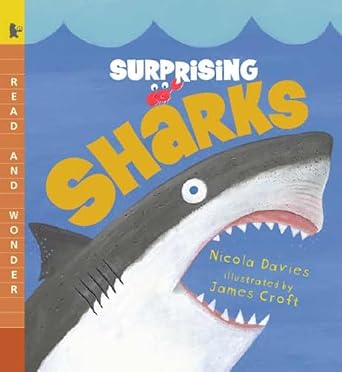
Instead of starting with the PIE acronym (which is helpful later!), I begin with genre comparisons. We’ll read Stellaluna by Janell Cannon and Bats by Gail Gibbons, then sort details and ask, “Why did the author write this? What’s their goal?” It becomes very clear that fiction tells a story and nonfiction teaches us something—and we build from there.
Other great pairs:


From there, we talk about how genre supports the author’s purpose, and how tone, text features, and language all tie into it. (You can dig deeper with this blog post – Author’s Purpose and Genre Activity)
Need a structured resource for this strategy? My Author’s Purpose Reading Passages and Activities make it super easy to practice with different text types.
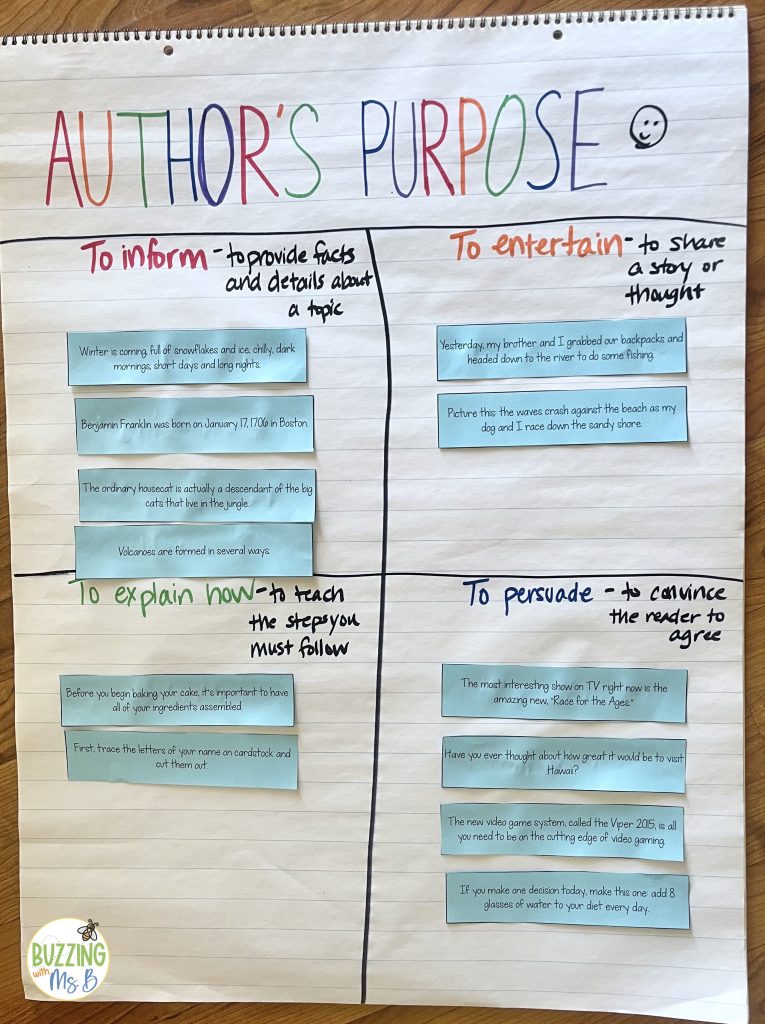
📚 Teacher Tip: Get students making judgments: Was this written to inform, entertain, or persuade me? What clues tell you that?
3. Asking Questions (Not Just Answering!)
This is the most misunderstood strategy, in my opinion. When we say “ask questions,” kids often think we mean trivia. But we want them to ask deep, thoughtful, curiosity-driven questions—not just “Where did the dog go?”
I teach students to sort questions into three buckets:
🔹 Thin (simple, literal)
🔹 Thick (deeper, inferential)
🔹 World (connection-based or wonderings that go beyond the text)
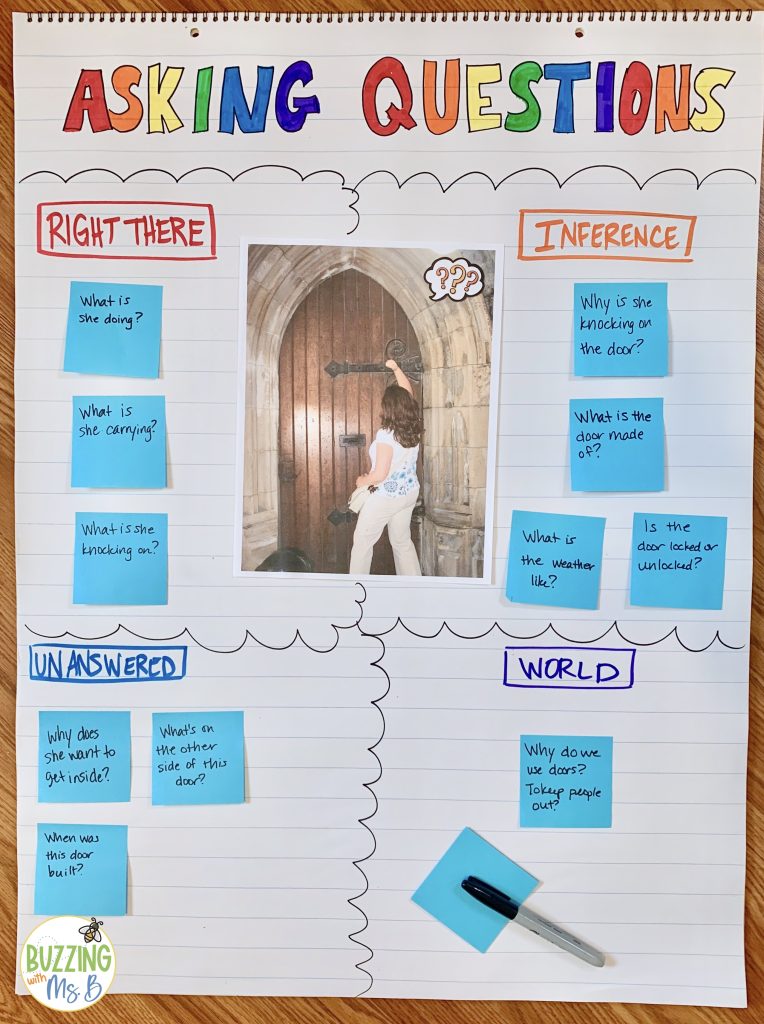
And here’s the key: they don’t have to answer every question. In fact, some of the best reading questions don’t have neat answers! That’s the point—they show real thinking.
Books that spark AMAZING questions:

I Walk with Vanessa by Kerascoët
A wordless picture book that tells the story of a girl who takes a stand against bullying by showing kindness to a new student.
👉 Sparks student-generated questions about character motivation, empathy, and what’s happening beyond the illustrations.

The Stranger by Chris Van Allsburg
A mysterious man appears after an accident, and strange things begin to happen on the farm where he stays.
👉 Encourages thick and world questions due to the eerie tone and open-ended mystery.

The Mysteries of Harris Burdick by Chris Van Allsburg
A collection of illustrations with only a title and caption, leaving the rest up to the reader’s imagination.
👉 Promotes deep questioning and narrative exploration—there are no “right” answers, just wonder and inference.

Voices in the Park by Anthony Browne
The same story is told from four different characters’ perspectives during a trip to the park.
👉 Inspires questions about point of view, voice, and emotional depth.
If you want print-and-go support for this, I’ve created an Asking Questions Reading Comprehension pack that helps students learn how to ask better questions—and understand how those questions help them read more deeply.
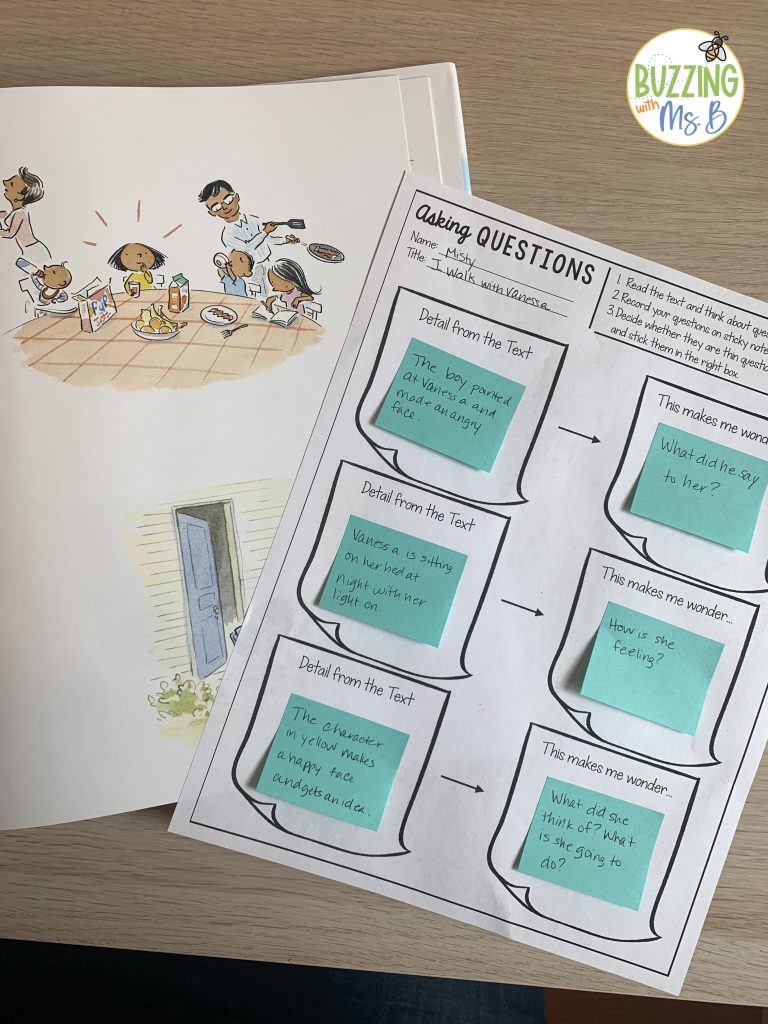
💡 Teacher Tip: Keep a “WONDER WALL” in the classroom where students can post unanswered questions from books we read. It sparks curiosity and gives value to the strategy!
Why This Sequence Works
Visualizing makes reading concrete.
Author’s Purpose helps students think critically.
Asking Questions builds curiosity and deepens understanding.
Together, they lay the foundation for every other comprehension strategy. Once kids have these three down, you can start layering in predicting, inferring, summarizing, and more—because the base is solid.
If you’re just getting started planning your reading instruction for the year, or if you’re looking to tighten up your strategy sequence, I hope this helps you map things out with confidence!
Resources mentioned in this post…