Fun & Effective Strategies for Informational Reading Test Prep
Testing season is coming, and we all know that informational texts can trip up even our strongest readers! Unlike fiction, these passages are packed with facts, structures, and tricky questions that demand a solid game plan.
So, let’s help our students attack the text with confidence using informational reading test prep strategies!

1. Identify the Topic & Sketch Main Ideas
Start out with a chart like Our Testing Strategies Chart (pictured below), which asks students to identify the genre, decide what the author’s purpose is, and select some strategies to move forward with. When reading informational or expository texts, suggested strategies include identifying the topic and sketching out main ideas. Nonfiction is all about pulling out important information, so their reading approach should reflect that!


2. Preview Text Features & Make a Prediction
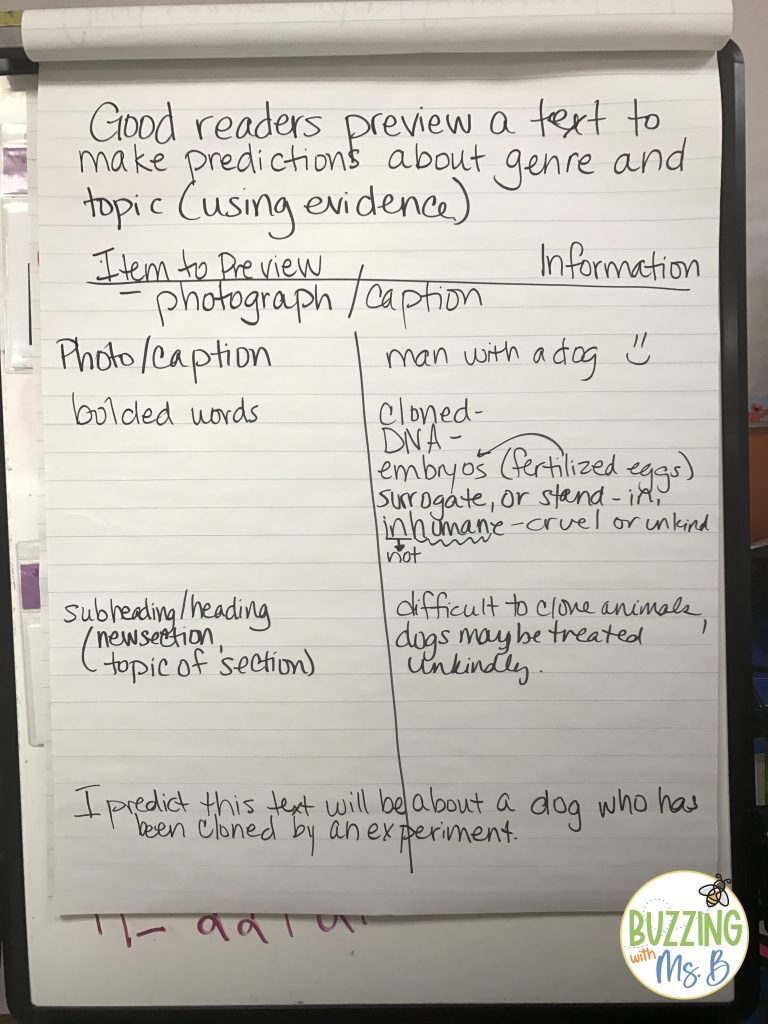
Informational passages come loaded with clues—headings, subheadings, bold words, captions, diagrams, and more! Train students to scan these features first, gathering key details and making a quick prediction about the passage’s focus. This primes their brains to look for important ideas while reading.
3. Read & Sketch One Sentence at a Time
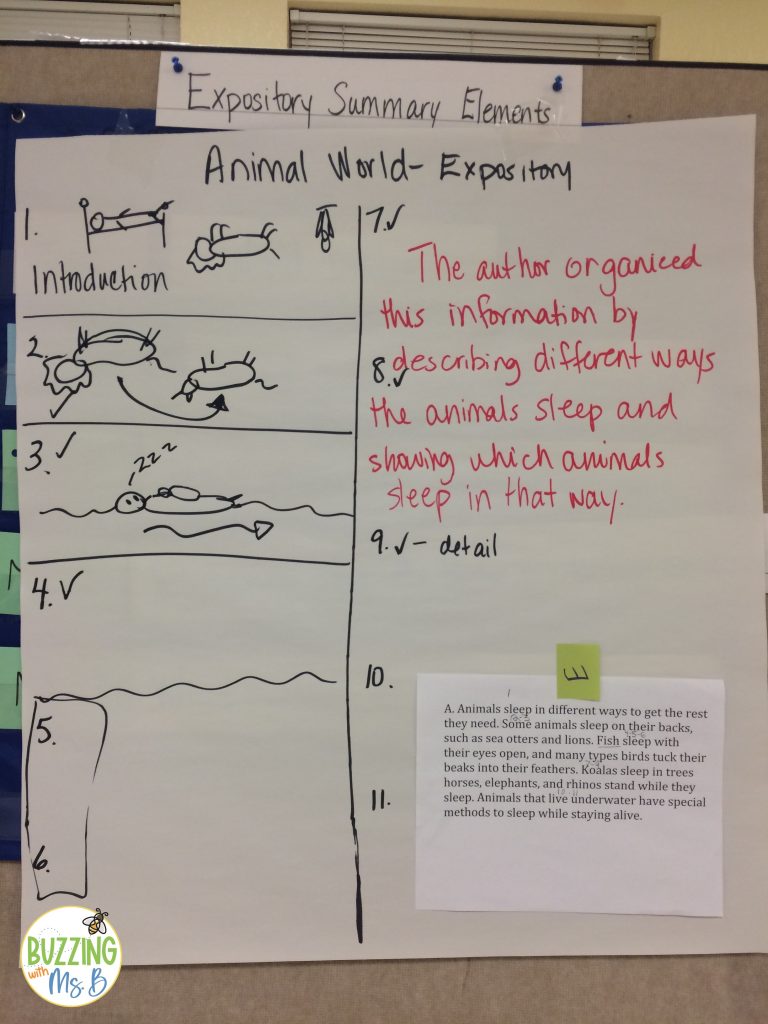
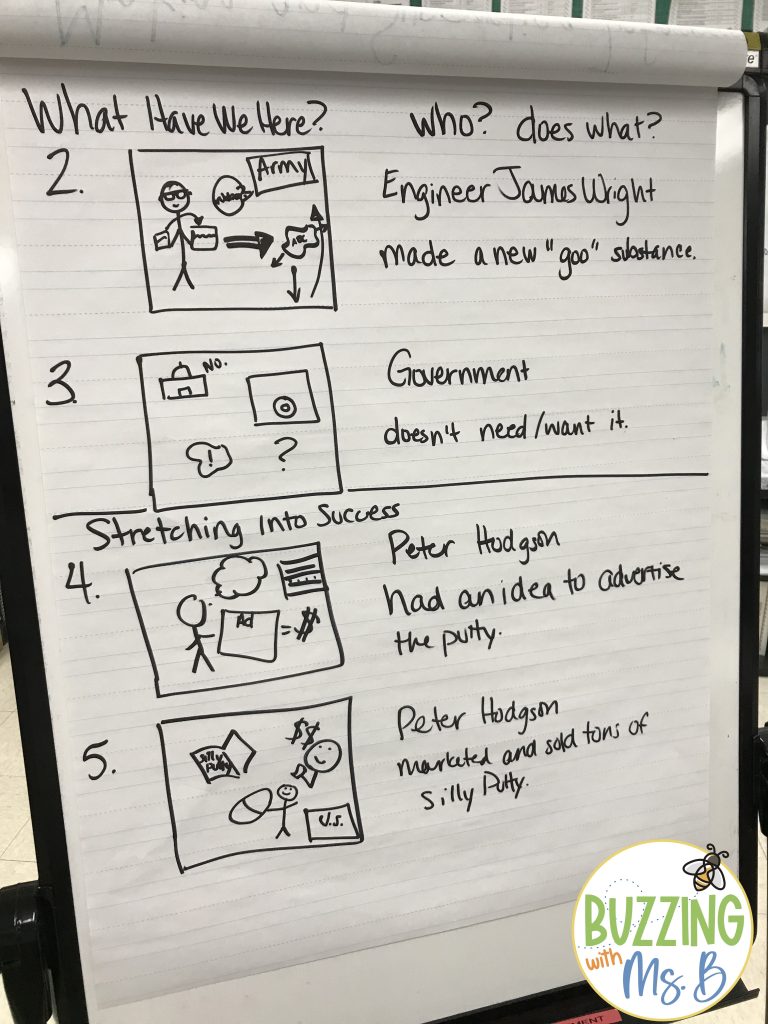
This is a game-changer! Instead of rushing through paragraphs, have students read one sentence at a time and sketch a small visual representation of the details. Then, they read the next sentence and add to their sketch. This forces them to slow down and process information fully. Once the paragraph is complete, they can step back, look at their visual, and answer: Who does what? This naturally leads to forming a main idea statement!
4. Build a Strong Summary
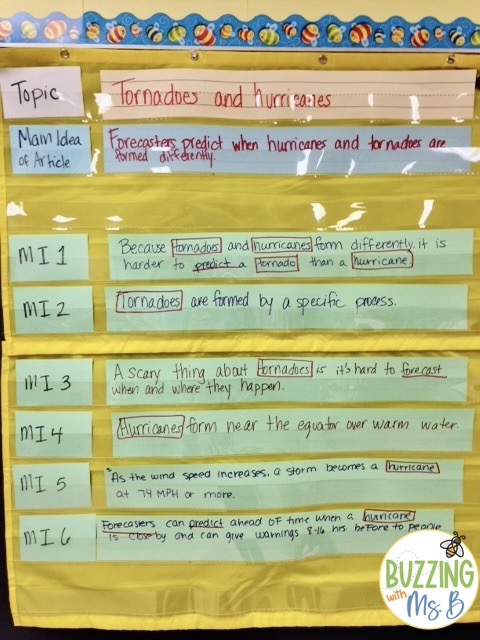
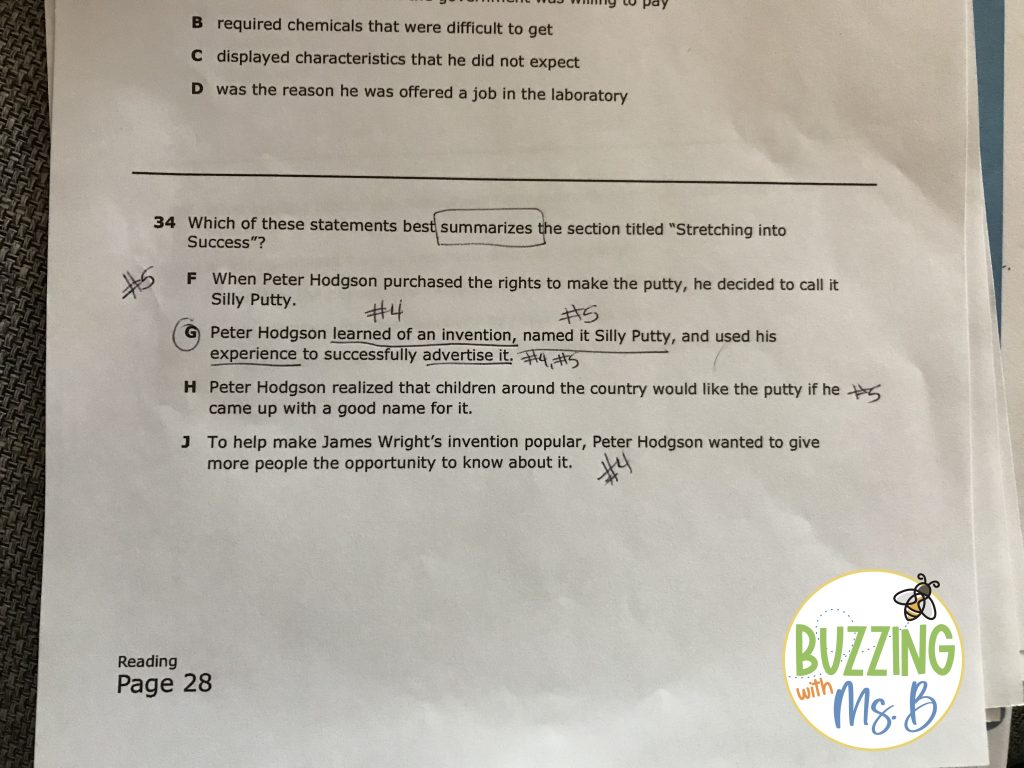
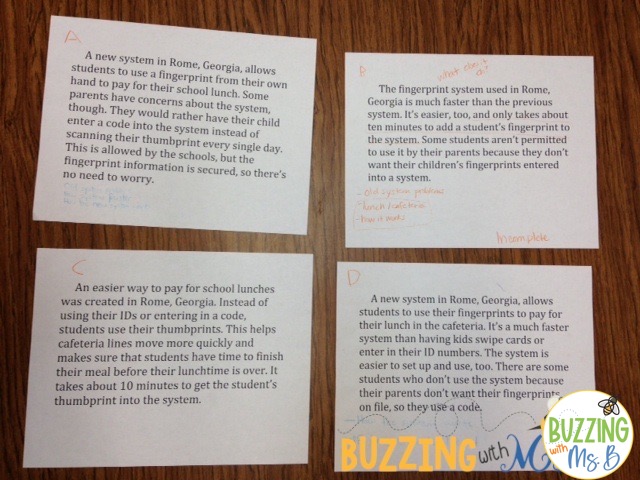
Once students have their main idea statements for each paragraph, it’s time to combine them into a summary! They should work in order, keeping details accurate but concise. To take it a step further, present them with multiple-choice summary options and have them analyze which one includes the most complete and accurate main ideas. This mimics real test questions and strengthens their ability to evaluate summaries effectively.
5. Analyze Questions Like a Pro
Not all test questions are created equal! Teach students to categorize each question before answering:
✅ Main Idea – What’s the passage mostly about?
✅ Details – What specific fact is mentioned?
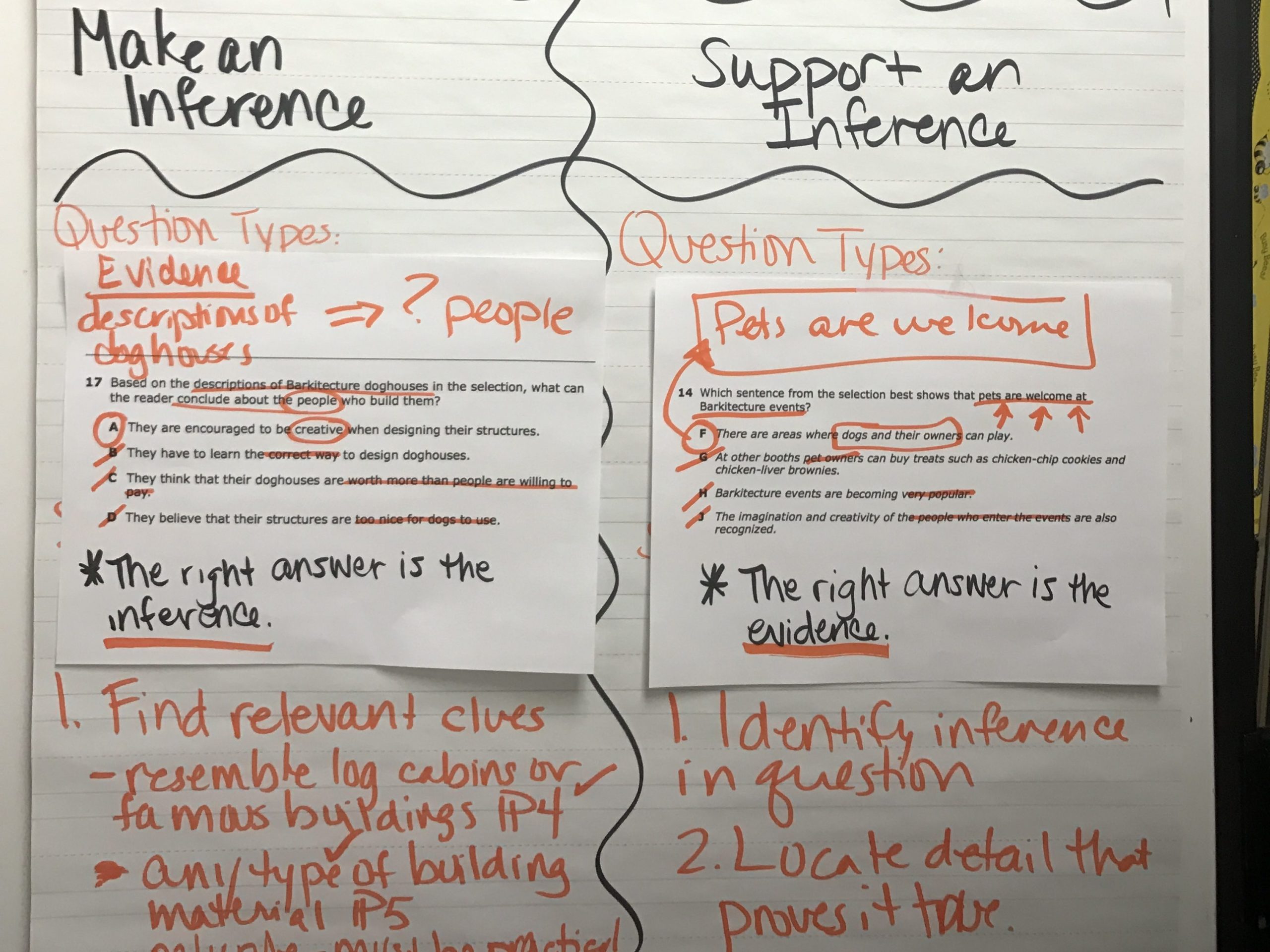
✅ Inference – What can we figure out based on clues?
✅ Evidence-Based – Which part of the text supports this idea?
When students know what they’re looking for, they can avoid falling into common test traps!
Time to Tackle Those Passages!
With these informational reading test prep strategies, your students will approach informational texts with structure, purpose, and confidence. Informational reading test prep doesn’t have to be a bore—make it engaging, visual, and interactive!
Test Prep Resources, Ready to Go!
Looking for resources to help prepare your students for fiction reading tests? I’ve got you covered!