
Expository Text Structures Anchor Chart with Signal Words
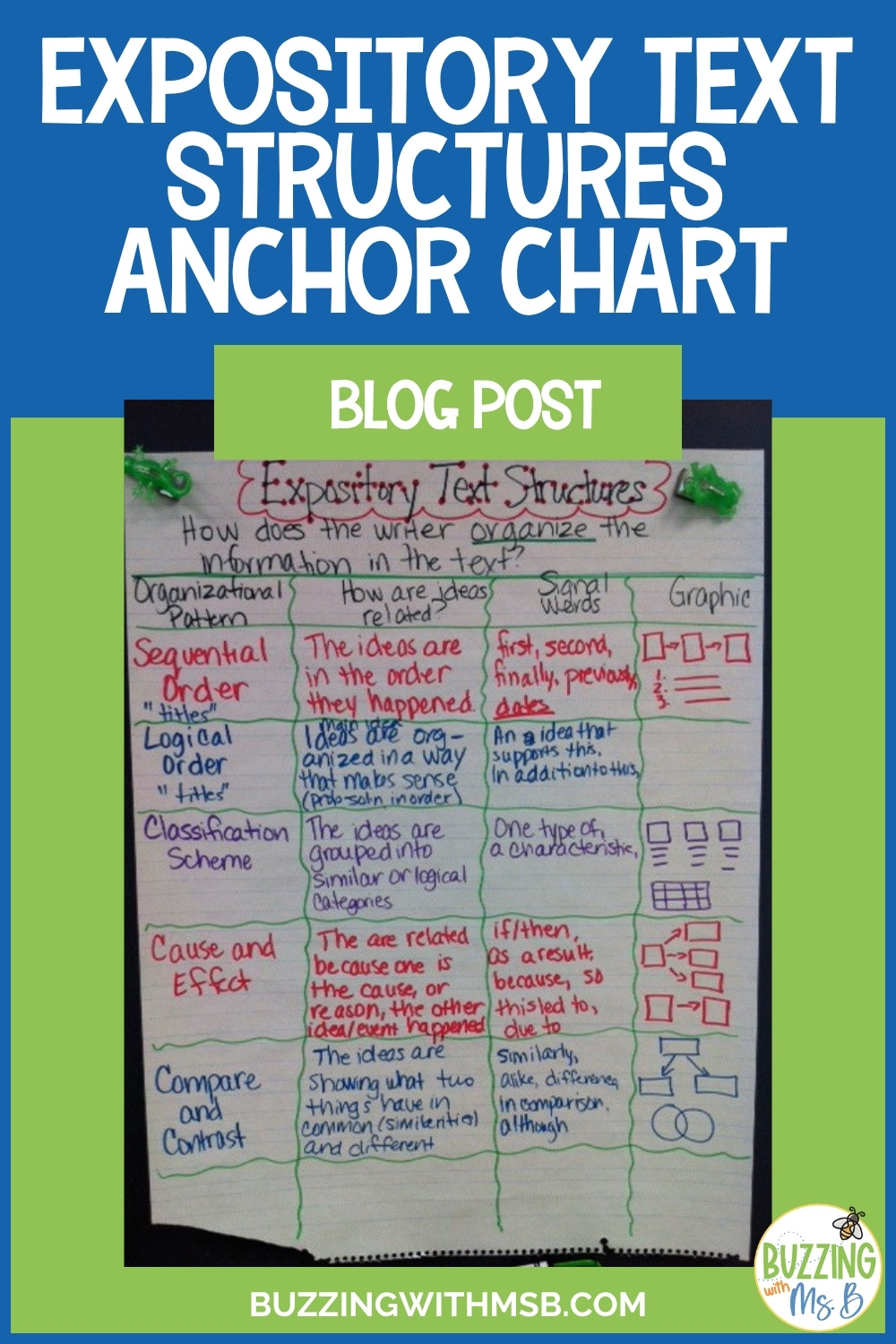
Our latest plans for nonfiction!
In fifth grade, the teachers are introducing expository text structures. The TEKS call for these text structures in fifth grade: cause-effect, compare-contrast, sequence, logical order, and classification theme. The teachers are reading different articles with the kids and searching for the ‘signal words’ that indicate the relationships between ideas. They’ll build this chart as they go!
Expository Text Structures Anchor Chart with Signal Words

Text Structure Sort with Short Texts and Graphic Organizers
At the end, we planned for them to distribute shorts texts to the kids and have them sort them by organizational pattern, and complete the graphic organizer for each one.
Wish us luck!
Get the Analyzing Text Structure Reading Strategy Lessons
To help your kids understand how to analyze text structure, you can check out this Reading Strategy MiniPack: Analyzing Text Structure on my site or on TPT! It uses the gradual release model to support kids in understanding how to analyze text structure in expository text.


More Nonfiction Text Structure Ideas
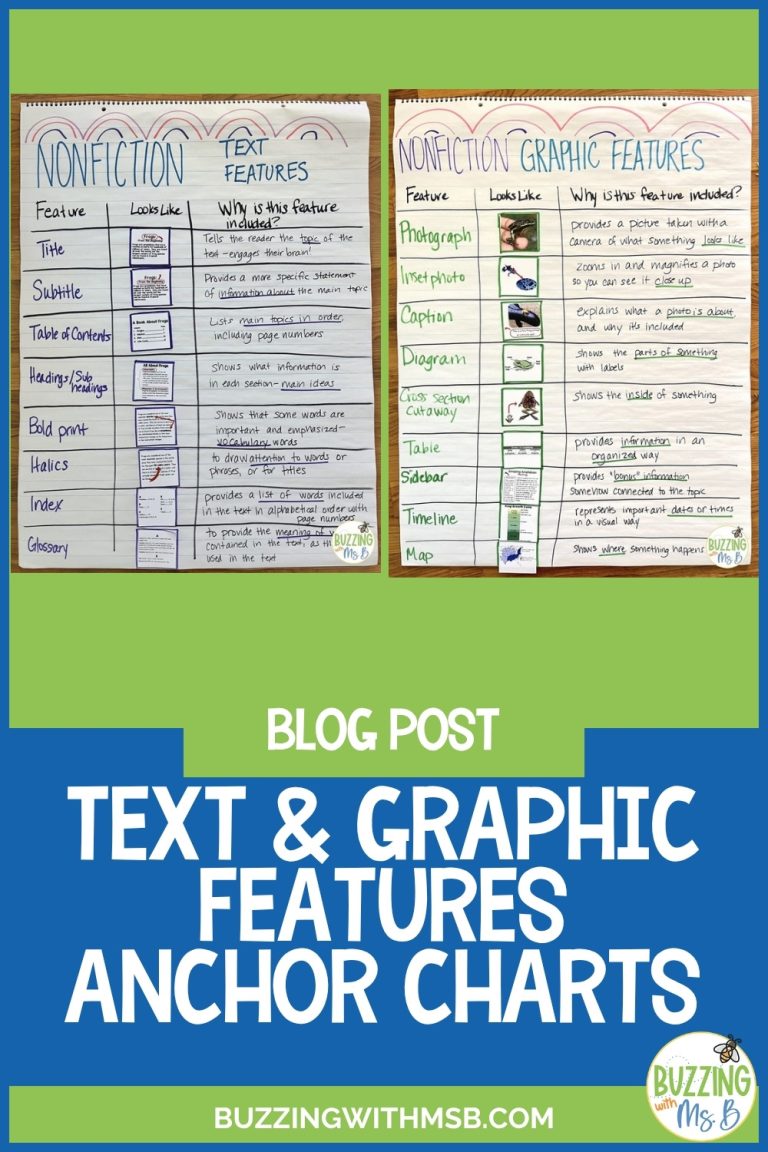
For a closer look at one structure, read about teaching the cause-effect text structure in nonfiction. To get students talking about structure during read alouds, see the interactive read aloud signs for nonfiction text features and text structures.



We've been working on this as well, including how kids could take what they know about text structures and use those organizational frameworks in order to take notes. It's been challenging, but they're starting to get it. Good luck!
I am getting ready to teach this tomorrow! Any good book recommendations for informational text structure?
EmilyK
We've been using lots of Time for Kids articles from the periodicals because it's difficult to find a longer text with a structure other than sequential! Generally, we see the other structures as the structure of several paragraphs. Gail Gibbons sometimes includes these structures in her books and she has a ton of nonfiction texts that are high interest (in my opinion!) Seymour Simon is another but his texts are more dense. I wish I knew more offhand!