Coaching Resistant Teachers: 5 Days to Rebuild the Relationship
If you’ve ever worked with a teacher who seems to resist coaching, you know how frustrating it can be.
You offer a resource. They don’t use it.
You suggest a strategy. They have a reason it won’t work.
You schedule a meeting. Somehow, they “forget.”
And the more you try to help, the more it can feel like you’re pushing against a wall.
But before you decide that a teacher is simply resistant, it can be helpful to step back and ask a different question:
What might be underneath the resistance—and what can I do to change the relationship?
Coaching is built on partnership. The goal isn’t to convince teachers that you have the answers. It’s to create enough trust and shared ownership that they are willing to explore new ideas with you.
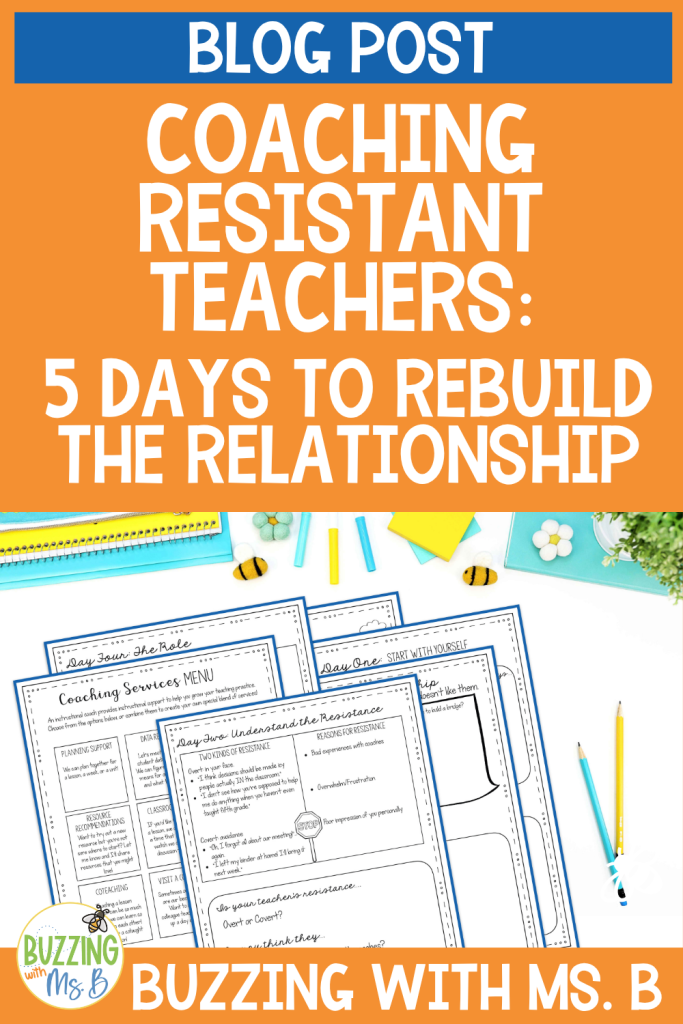
That’s the thinking behind this free Five-Day Resistant Teacher Reset.

Start With Yourself
When a coaching relationship feels difficult, it’s tempting to focus entirely on what the teacher is doing.
But the first step in this challenge is to look at your own part in the relationship.
Ask yourself:
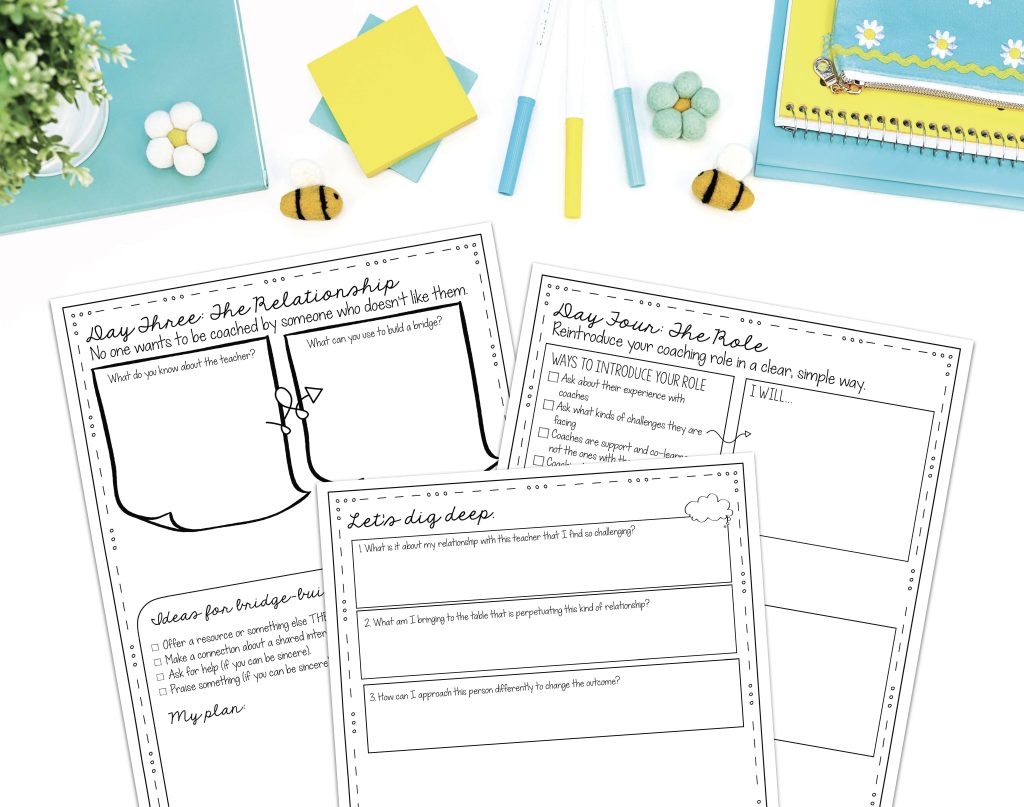
- What is making this relationship challenging for me?
- What might I be doing that is contributing to the pattern?
- How could I approach this teacher differently?
This isn’t about blaming yourself.
It’s about recognizing that you can control your approach, even when you can’t control someone else’s response.
Sometimes changing the way you enter the relationship is enough to create a different outcome.
Understand What the Resistance Looks Like
Not all resistance looks the same.
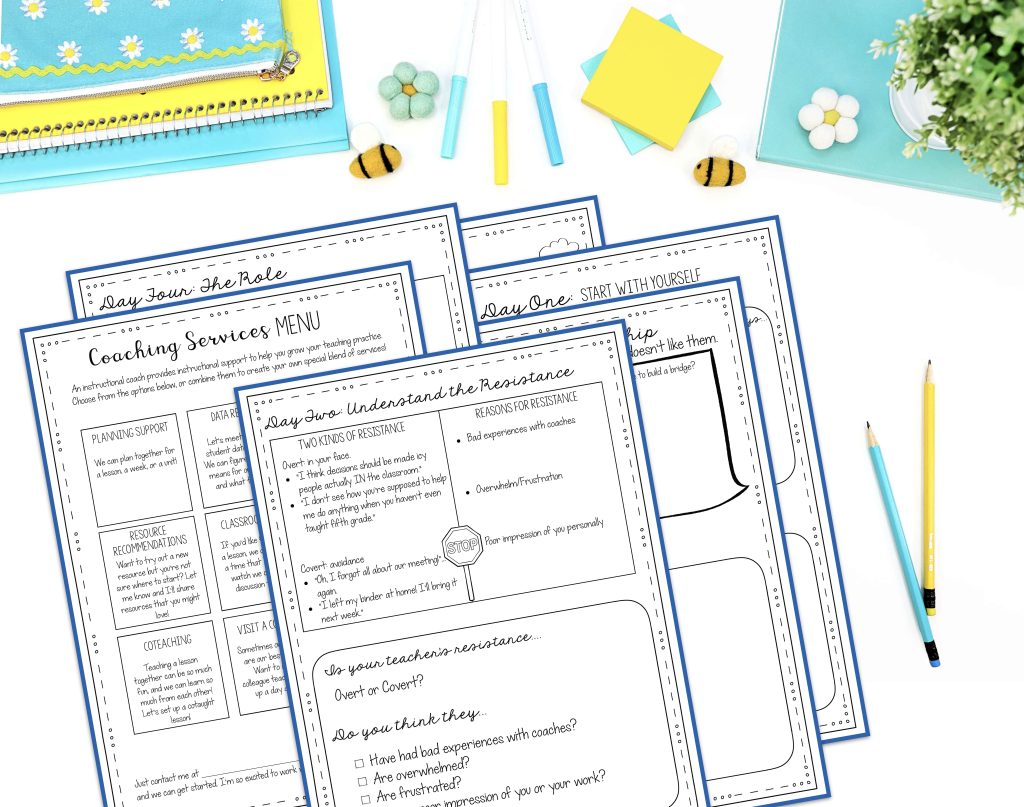
Sometimes it’s obvious. A teacher may openly question your expertise, disagree with a coaching suggestion, or tell you they don’t see the value in what you’re offering.
Other times, resistance is much quieter.
A teacher may repeatedly cancel meetings, avoid conversations, or agree to something without actually following through.
Understanding the difference can help you think about what’s really happening.
Resistance might come from:
- a previous negative experience with coaching
- feeling overwhelmed or frustrated
- uncertainty about your role
- a lack of trust
- a poor impression of you or your work
- simply not understanding how coaching can help
Instead of asking, “How do I get this teacher to cooperate?”, try asking, “What might this teacher need from me right now?”
That shift can change the entire conversation.
Build a Bridge Before You Try to Build a Coaching Cycle
It’s difficult to coach someone who doesn’t trust you.
So sometimes the best coaching move isn’t coaching at all.
Find a way to connect.
Learn something about the teacher. Ask about their interests. Offer a resource that genuinely solves a problem they’re dealing with. Ask for their expertise when you truly need it. Notice something they’re doing well.
These aren’t tricks to get a resistant teacher to like you.
They’re ways to communicate:
I’m here to support you, and I see you as a partner.
That foundation makes future coaching conversations much easier.
Clarify What Coaching Actually Is
Sometimes what looks like resistance is really uncertainty.
Teachers may not know:
- what an instructional coach actually does
- whether coaching is evaluative
- what will happen during a coaching cycle
- whether you’re there to “fix” their teaching
- what they can ask you for help with
Take the opportunity to reintroduce your role.
Explain that you’re there as a support and thought partner, not as the person who walks in with all the answers.
It can also help to give teachers choices.
Instead of asking, “Do you want coaching?” offer several ways you could support them:
- plan a lesson together
- look at student data
- review student work
- visit the classroom
- model a strategy
- find a resource
- co-teach a lesson
The free challenge includes a coaching services menu with examples you can use to make those options concrete.
Create One Small Plan Together
Once you’ve started rebuilding the relationship, don’t try to solve everything at once.
Choose one teacher-created goal.
Maybe it’s connected to something the teacher has complained about. Maybe it’s a challenge you’ve discussed together. Either way, start with something that matters to the teacher.
Then keep the plan simple.
Choose just a couple of action steps, decide when you’ll check back in, and write down what you’ve agreed to do.
Most importantly, follow through on your part.
- When you say you’ll find a resource, find it.
- When you say you’ll model a lesson, show up.
- When you say you’ll check in, check in.
Consistency builds credibility.
Celebrate the Progress
Once you’ve had a successful experience together, don’t rush past it.
Use that momentum.
Talk about what went well. Look at student work. Notice a positive change. Ask the teacher how they feel about the result.
Celebrating progress helps shift the relationship from “coach vs. teacher” to “we’re working on this together.”
And sometimes that small shift is exactly what you needed.
Try the Free Five-Day Resistant Teacher Reset
If you have a coaching relationship that feels stuck, you don’t have to keep trying the same approach.
This free Five-Day Resistant Teacher Reset walks you through five days of reflection and action:
- Start with yourself
- Understand the resistance
- Work on the relationship
- Clarify your coaching role
- Create a simple plan
It also includes a coaching services menu to help you offer teachers concrete ways to work with you.
Download the free Five-Day Resistant Teacher Reset below and choose one coaching relationship to approach differently this week.
You may not be able to change a teacher’s attitude overnight.
But you can change your approach, build trust, clarify your role, and create an opportunity for something different to happen.
And that’s a powerful place to start.