Free Classroom Management Plan for Instructional Coaches
If you’re an instructional coach, you’ve probably had this experience.
You’re about to model a lesson or co-teach in a classroom, and you suddenly realize…there isn’t a clear classroom management system in place.
Maybe expectations haven’t been taught yet. Maybe routines are inconsistent. Or maybe the teacher has been struggling with behavior and isn’t sure what to try next.
And suddenly you’re trying to focus on teaching the lesson and managing the classroom at the same time.
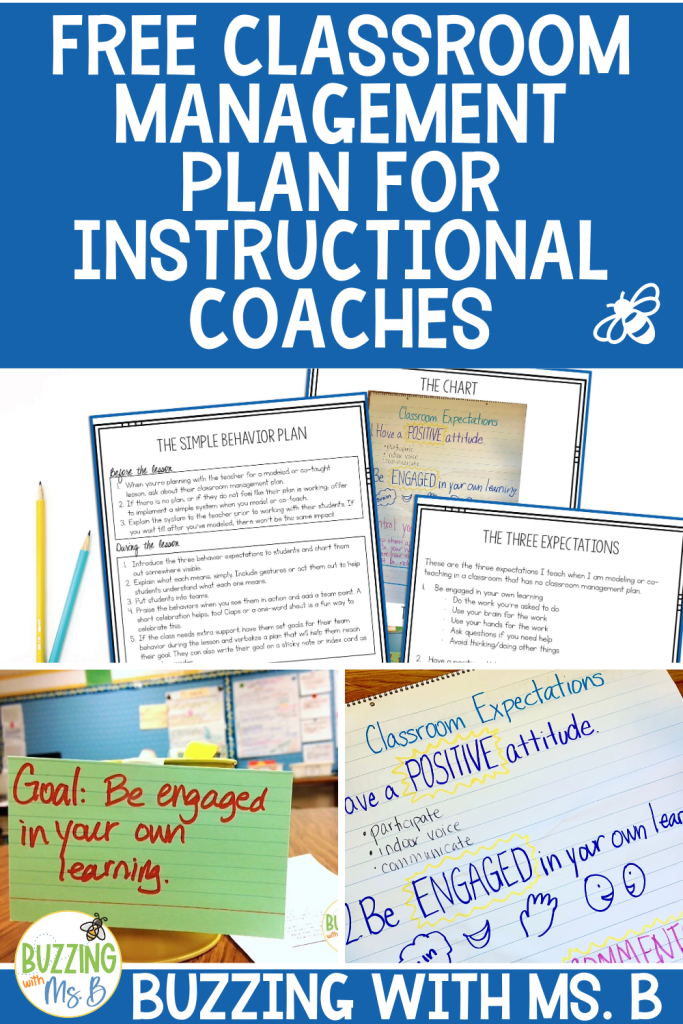
That’s exactly why I created a simple classroom management plan for instructional coaches — something you can use when you’re modeling or co-teaching so the lesson can stay focused on learning.
At the end of this post, you can download the free guide and planning pages to use on your campus.
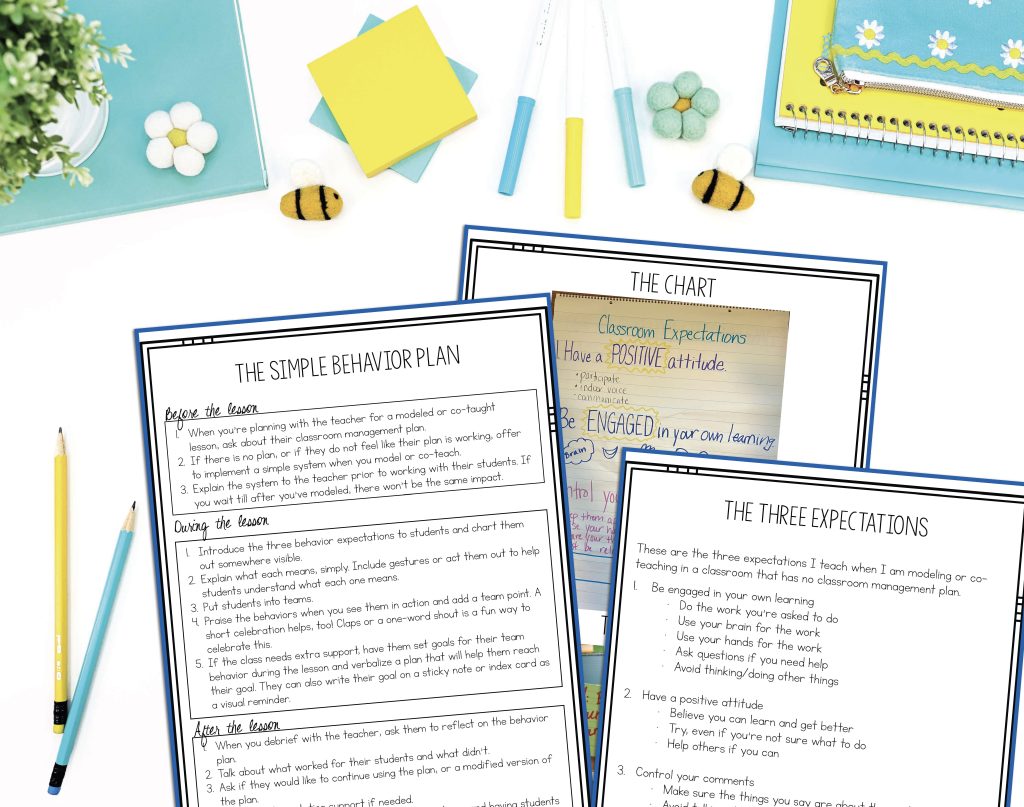
Why Coaches Need a Simple Behavior Plan
When coaches step into classrooms, our goal is to model instruction, support teachers, and build capacity.
A classroom management plan for instructional coaches helps keep model lessons running smoothly while also demonstrating effective routines teachers can use in their own classrooms.
But without a clear structure for behavior, it’s hard to keep students focused long enough to show what strong instruction looks like.
A simple behavior plan helps you:
- Keep the lesson running smoothly
- Model positive classroom routines for teachers
- Focus attention on learning instead of redirecting behavior
- Support teachers who may still be building their classroom management systems
Even better, when the system is simple and transparent, teachers can easily adopt it themselves.
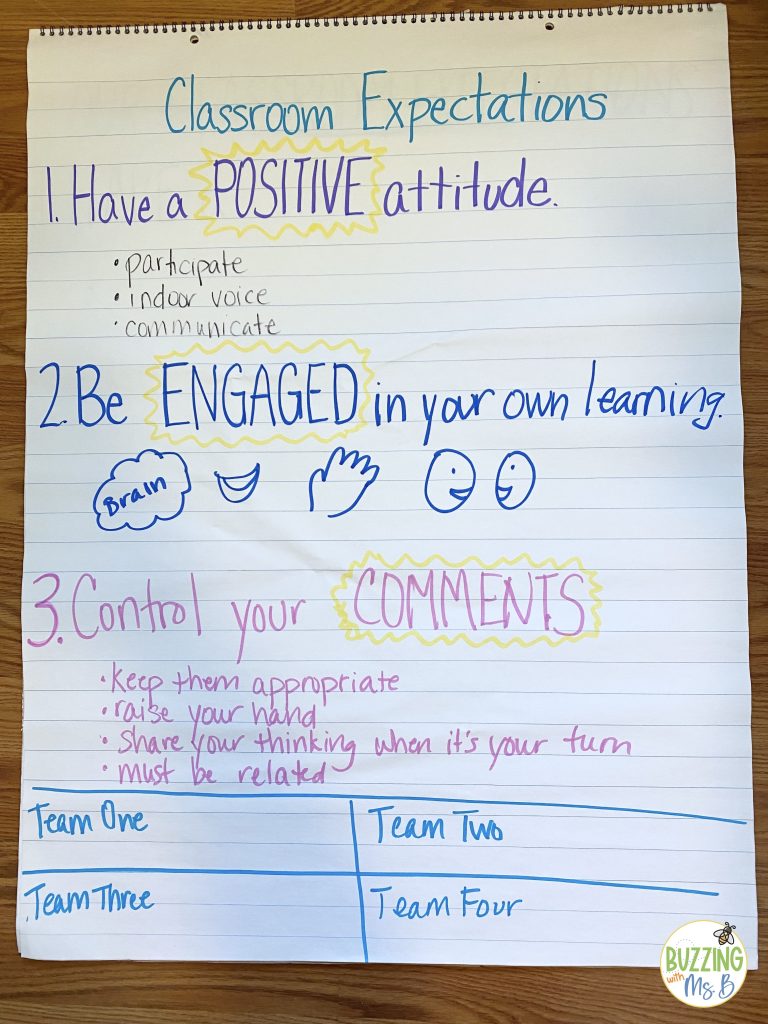
Three Behavior Expectations That Work in Any Classroom
The free guide introduces three clear expectations that are easy for students to understand and easy for coaches to reinforce.
1. Be Engaged in Your Own Learning
Students are responsible for actively participating in the lesson.
That means:
- Doing the work they’re asked to do
- Using their thinking and problem-solving skills
- Asking questions when they need help
When students know they’re expected to stay mentally engaged, it helps keep the focus on learning rather than distractions.
2. Have a Positive Attitude
Students don’t have to know everything yet—but they should be willing to try.
This expectation encourages students to:
- Believe they can improve
- Try even when the work feels challenging
- Support classmates when appropriate
It also helps build a classroom culture where effort is valued.
3. Control Your Comments
Students need clear guidance about how and when to talk during learning.
This expectation focuses on:
- Talking about the work
- Avoiding unrelated conversations
- Participating appropriately (raising hands, sharing ideas, etc.)
When expectations for participation are clear, lessons run much more smoothly.

How Coaches Can Implement the Plan
One of the reasons this system works so well is that it’s quick to introduce and easy to use during a model lesson.
Step 1: Talk with the Teacher First
Before modeling a lesson, ask the teacher about their classroom management plan.
If the teacher doesn’t have a system in place—or if they feel it isn’t working—offer to use a simple behavior structure during the lesson.
This helps set clear expectations before students arrive.
Step 2: Teach the Expectations to Students
At the beginning of the lesson:
- Introduce the three expectations
- Explain what each one means
- Act them out or add gestures to help students remember
Posting the expectations where students can see them during the lesson makes it even easier to reinforce.
Step 3: Use Teams and Positive Reinforcement
Students work in teams and earn points when their group demonstrates the expectations.
This allows you to:
- Quickly recognize positive behavior
- Celebrate progress with short, fun acknowledgments
- Keep students motivated and focused during the lesson
Step 4: Reflect After the Lesson
After modeling or co-teaching, take time to reflect with the teacher.
Discuss:
- What worked well
- What helped students stay engaged
- Whether the teacher would like to continue using the system
If the teacher is interested, you can help them adapt the plan for their classroom routines.
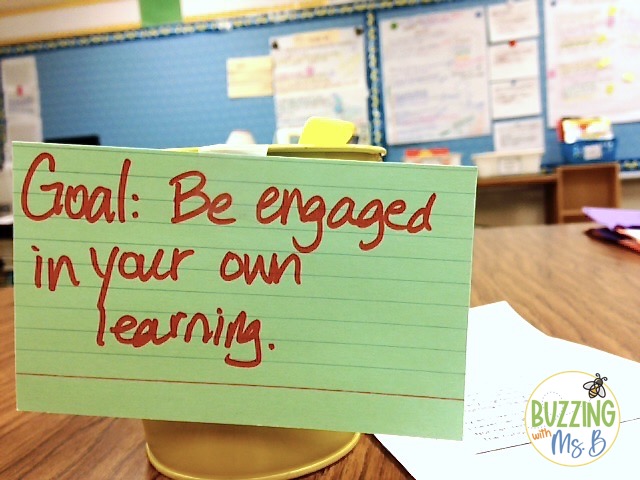
When Goal-Setting Can Help Even More
Sometimes a class needs extra structure or motivation during a lesson.
In those situations, goal-setting can be incredibly helpful.
You might ask students to:
- Set a team goal for demonstrating the expectations
- Write their goal on a sticky note or card
- Talk about what behaviors will help them reach the goal
This helps students become more aware of their own choices and work together to stay on track.
Free Download: Classroom Management Plan for Instructional Coaches
If you want an easy system to use when you’re modeling or co-teaching, I’ve put together a free guide with everything you need.
The download includes:
- Descriptions of the three behavior expectations
- A simple implementation plan for coaches
- A classroom expectations team behavior chart
You can use these tools when coaching in classrooms that don’t yet have strong behavior systems—or when you want to model a clear and effective structure for teachers.