
Make a prediction – Tips for teaching making predictions in fiction texts
Make a prediction – Tips for teaching making predictions in fiction texts
I sent out a survey to teachers asking which comprehension strategy was most elusive to the kids. A huge percentage of them said “predictions!” This might sound surprising, because we ask kids to predict all the time. But if you think about it, a prediction requires you to use evidence from the text to figure out something that isn’t stated.
Does that sound familiar? If you’re thinking, “inference” then you’re right! Predictions can be challenging because they’re a type of inferential thinking! Instead of figuring out something that isn’t stated but is happening, we’re asking kids to figure out something that isn’t stated that could reasonably happen.

If you’re kids are struggling with this too, you’re in the right spot because predictions are totally my jam! Let’s dive into how to help our kiddos make stellar predictions—and why it’s so important!
Why do predictions matter?
When I was a newbie teacher, my literacy coach shared a gem with me that really stuck (pun intended!). She said, “Predictions give you Velcro. When a student makes a solid prediction, they start ‘sticking’ new information to it as they read, either confirming their thoughts or noticing differences. This boosts their comprehension.” How true is that?!
When kids dive into a text without any expectations, they’re way less likely to understand and remember it. That’s why we always give a little intro before reading and encourage kids to think about what might happen next!
How do we teach making predictions before reading?
When you’re starting a new book, it’s simple—you teach them how to preview and predict!
Start by previewing the text to identify the genre. Look for features that give it away: illustrations, chapters, and dialogue (those quotation marks!) usually signal fiction, while photographs, headings, and bolded words often point to nonfiction.
Once the genre is clear, guide your students in using it to make a prediction. Here’s how:
- Start with the cover
Use the title and illustration to point out what you notice – characters, settings, actions, vocabulary, when the story might take place. This is a great starting point to generate discussion about the story and the beginnings of making predictions. - Key into characters
Encourage kids to make predictions about the character, their motivation or main trait, and the challenge they might face based on the illustrations, title, and first few paragraphs or pages. - Think Aloud Strategy
Think aloud to model how you make predictions. Pause while reading and share your own predictions, “I wonder if this character will…” or “I wonder if he/she said that because…will happen next”. - “What if…” questions
A creative way to explore making predictions in fiction is by generating and encouraging “what if…” questions. “What if the character doesn’t get what they want?” or “What if the weather changes right now?”. Questions like this help kids explore different possibilities and outcomes in the story. - Make Connections
Connect events, settings, or characters to students’ prior knowledge. If something is familiar to the experiences of our kids then they will find it easier to make predictions as they know what could possibly happen next. - Record Predictions
Use anchor charts or individual graphic organizers to record predictions alongside evidence from the text. This make a great visual tool for students to track and compare their predictions. - Read and Reflect
Reflection after making predictions is an important step to help kids refine their prediction making skills and determine which predictions were accurate and which ones were different from what really happened in the story.
Teaching Predictions During Reading
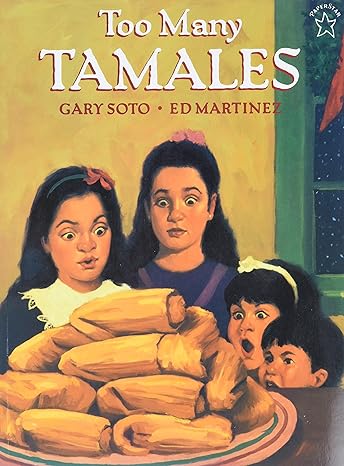
But it doesn’t stop there! We need to teach students to make and confirm predictions as they read too. Students should notice details in the text and base new predictions off of them. This anchor chart we made for Too Many Tamales is a great way to help kids notice details and make predictions based on evidence!’
I charted up the first few paragraphs and we underlined the evidence that gave us clues about Maria, what her motivations could be, and what the problem of the story could be. Then we made predictions!

Anchor charts like this are great for locating evidence that helps you predict, recording predictions, and making it easy to refer back to after reading. This is from Too Many Tamales by Gary Soto and it’s a perfect book for predicting!
Writing about predictions during a shared reading
Modeling writing about your predictions during a shared reading is a great way to get kids thinking about the text, analyzing, and justifying predictions with evidence. It’s also a good time to notice if your predictions happened or if you need to adjust them!
This response was from a lesson about Frindle where we read a chapter and made a prediction about how the characters would interact.

Students practiced responding with this structure in their own reading. are were required to use the sentence starters that I underlined.
Another way to encourage using evidence to make predictions is to have students to a two-columned response. They can pull the exact This student was reading Esperanza Rising. I had them pull out an exact quote from the text to respond to and they recorded it on the left. On the right, they wrote their responses and these included predictions based on the evidence from the text!

Let’s get those prediction skills sharpened and watch their comprehension soar!
Resources for making predictions
I’ve created a great resource that covers making predictions along with other comprehension strategies including question, visualizing, synthesizing, making inferences, and more! The pack also features lesson plans, printable worksheets and graphic organizers, anchor charts and teacher background information for each strategy. Grab it on TPT or in my store.

Great books to make a prediction
The Wednesday Surprise by Eve Bunting – Buy on Amazon

Too Many Tamales by Gary Soto – Buy on Amazon
Too Much Glue by Lefebvre – Buy on Amazon

Enemy Pie by Derek Munson – Buy on Amazon

**Some links on this page are affiliate links**


