
Interactive Read alouds to Build Comprehension and Background Knowledge

We know that growing students’ oral language is essential to building comprehension. We know building background knowledge makes better readers. We know vocabulary is the thing holding so many kids back.
But how do we fit all of this in with all of the other “stuff” on our schedule?
When it comes to language, background knowledge, and vocabulary, we have a lot to teach and not a lot of time to do it. However, these elements are necessary for students reading development and comprehension.
So, how can you continue to reinforce build comprehension by addressing all of these things in one lesson? Read alouds!
Read alouds are easy to bring into your classroom (you may already be doing them!), and you can use them during morning meeting, your ELA block, and to model a specific reading skill.
1. Start by selecting a great text. Think of topics students will love or books that work well with the skills you want to focus on. Also insider the text level! Read alouds should be above the kids’ independent reading abilities, so you are exposing them to challenging vocabulary and sentence structures.
 |
Personally, I love reading A Perfect Season for Dreaming (a bilingual book), The Wednesday Surprise, Slither and Crawl (great for any reptile lovers!), and Mae Among the Stars.
2. Set a purpose for reading. Before you select a book, determine why you are reading it. This will influence what you focus on in your read aloud. You can keep genre in mind as well, to ensure you’re exposing kids to the structures and language of the genre.
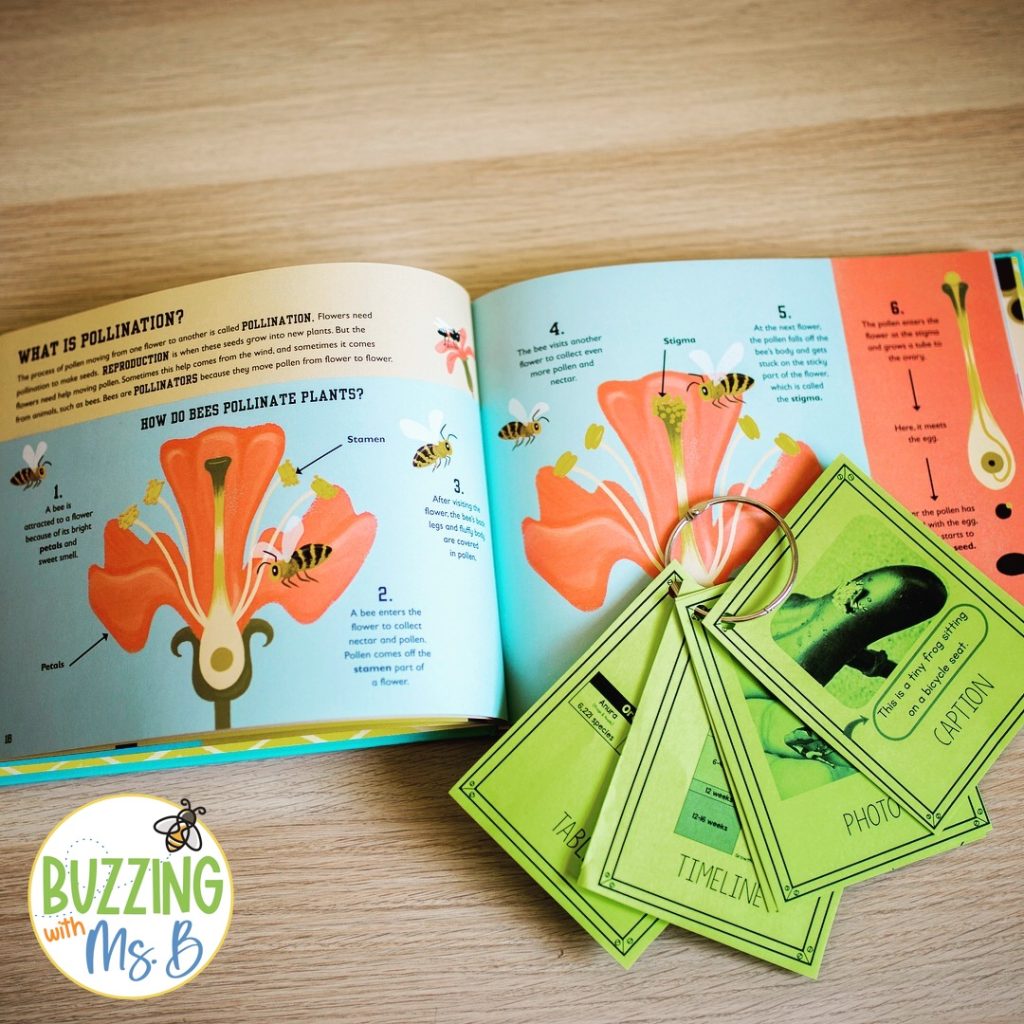
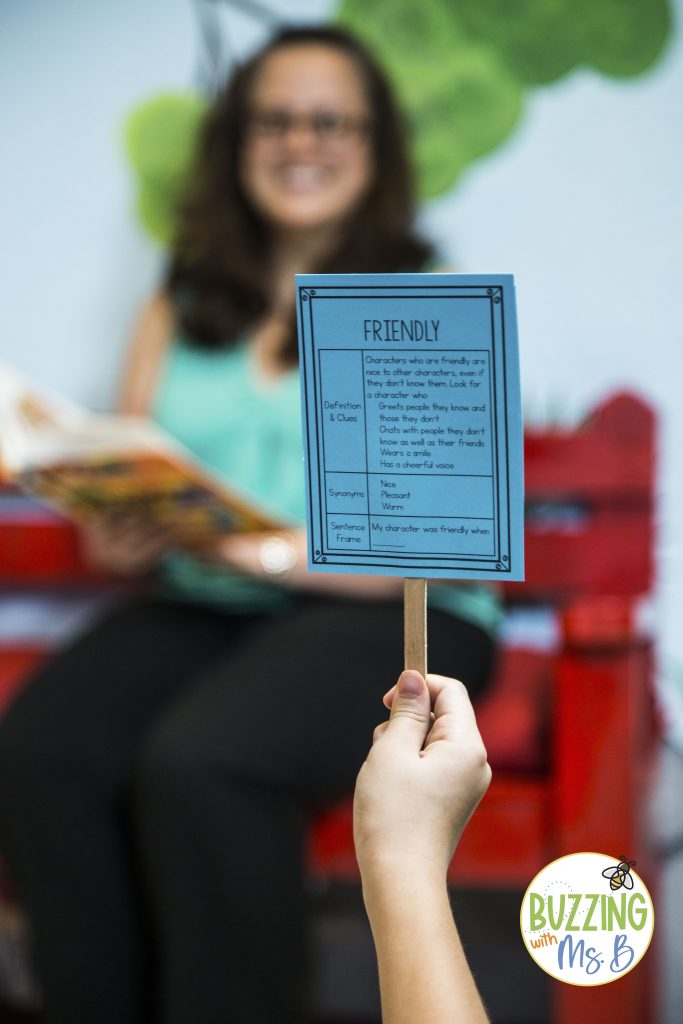
As you read, you can keep focused on your purpose for reading with Interactive Read Aloud Signs. On the back of each sign are definitions, questions, and sentence stems students can use to stay focused on the purpose and practice talking about the purpose!
3. Plan interesting and thoughtful questions. One of the best parts of reading is getting to share with others! Not only can questions help you check for understanding, but also keep students engaged and involved in the story.
4. Give students time to talk. Speaking of sharing what we read, give students time to talk to each other. Let them lead the conversation with think-pair-share prompts.
5. Use read alouds as an opportunity to write. Being able to respond to a text is a key skill. You can have students answer a specific question in their reader’s notebooks, make a connection to the text, or summarize what they read.
One easy way to help students stay engaged during read alouds with Interactive Read Aloud Signs! These signs contain a definition, question, and sentence stem for key reading skills, so students always have support at their fingertips.

This post includes affiliate links. You don’t pay any extra, but I get a few cents on the dollar that help me produce this blog!


