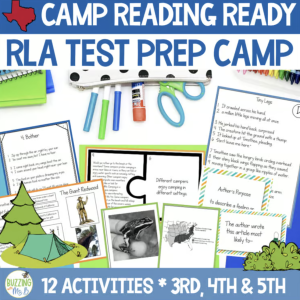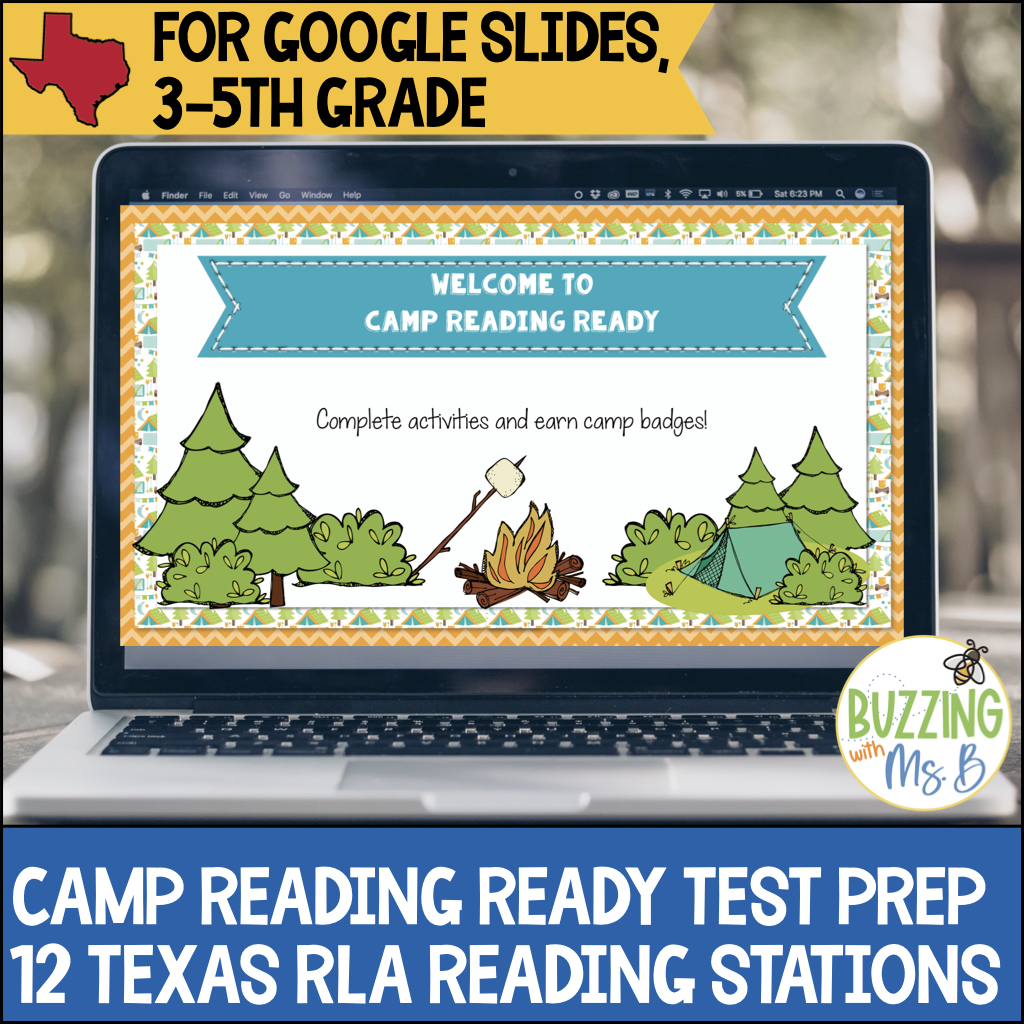

Camp Reading Ready Texas RLA Reading Test Prep & Review for Google Slides
$10.50
PDF | 65 pages
Description
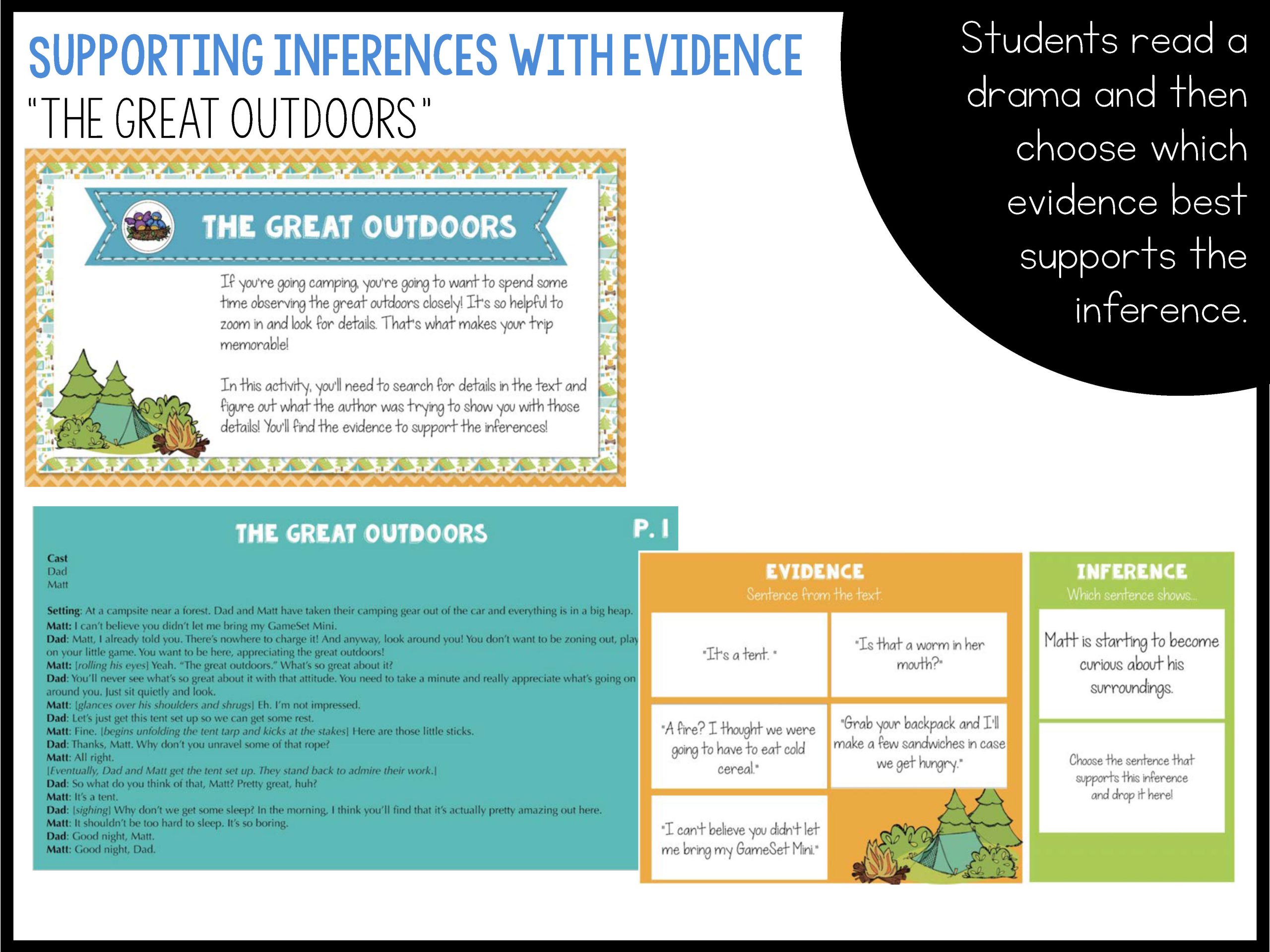
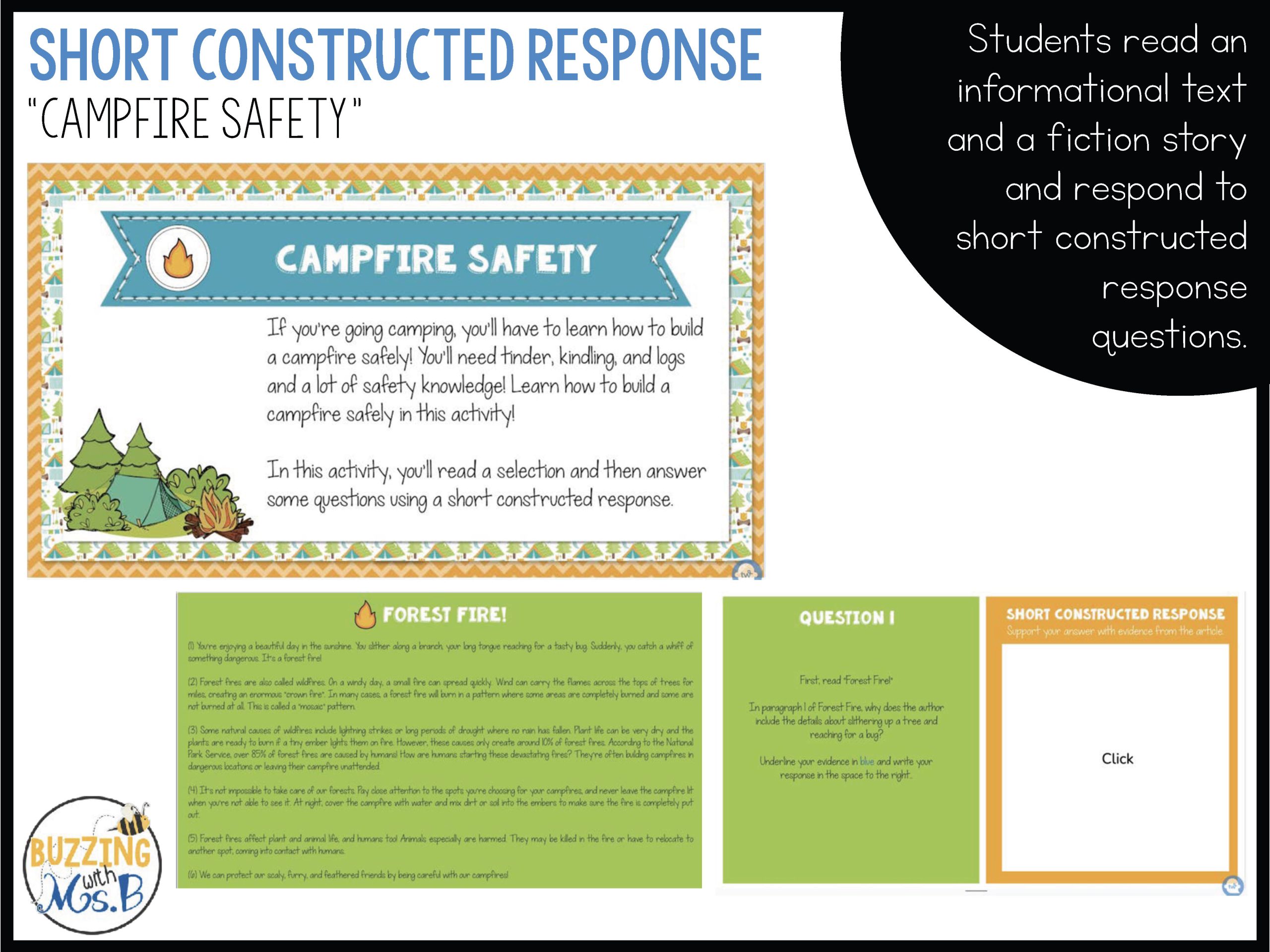
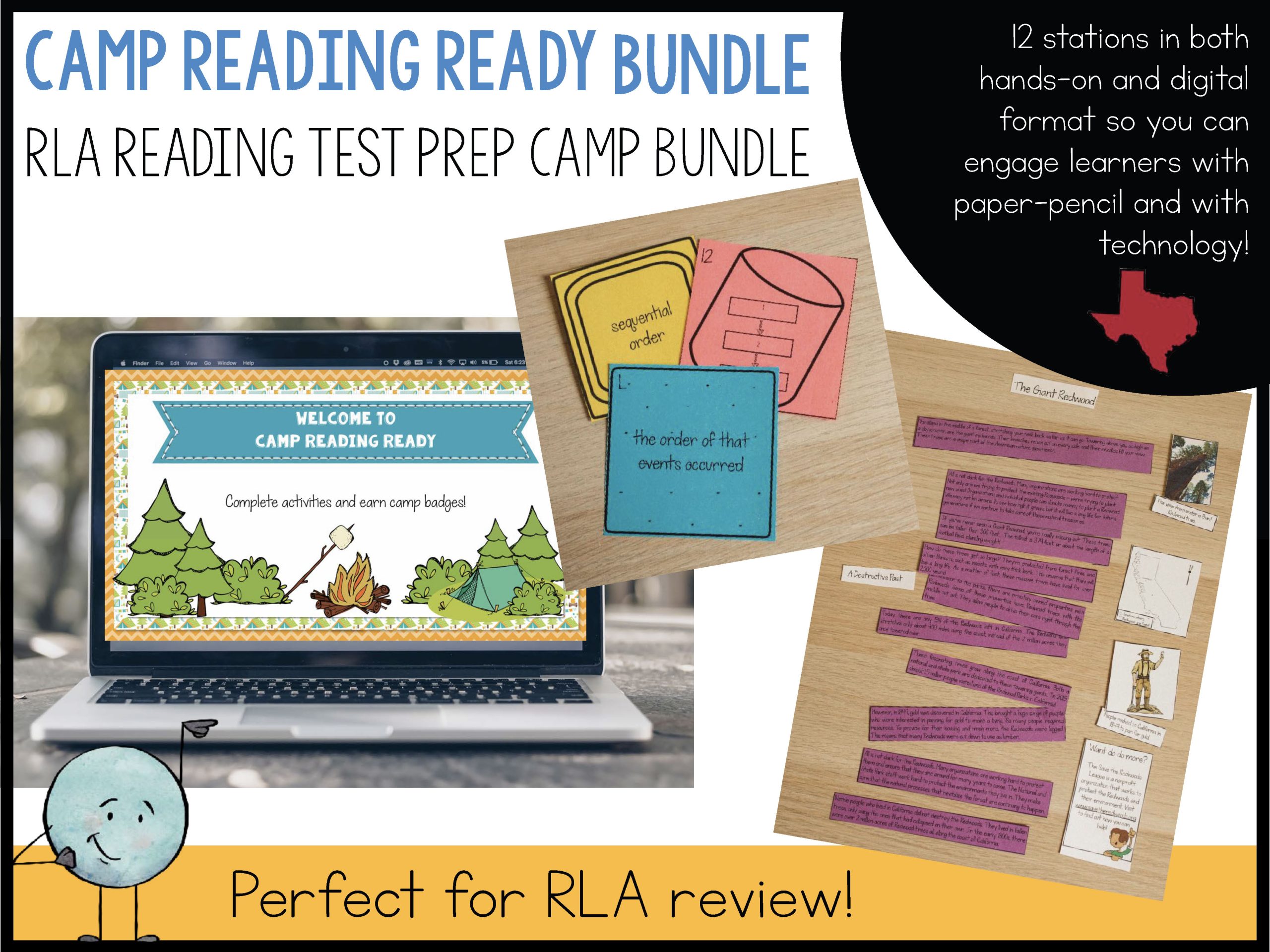
Are your kids ready for the state reading test? Prepare your kids for their big day with these fun but purposeful review stations! TEKS- and test-aligned to ensure that you maximize your limited review time. Ten Google Slides stations are included, along with answer sheets, keys, and ideas for giving the review a fun camp feel! Best of all, this resource has been aligned with the TEKS!
***************************************************************************************************
Materials are included for third, fourth, and fifth grades. The same materials are provided for each grade to include fiction, expository, poetry, literary nonfiction, and procedural. Fourth grade adds drama and fifth grade adds drama and persuasive.
**************************************************************************************************
Included in this resource:
- Third, Fourth, and Fifth Grade TEKS/Texas Reading Assessment Alignment
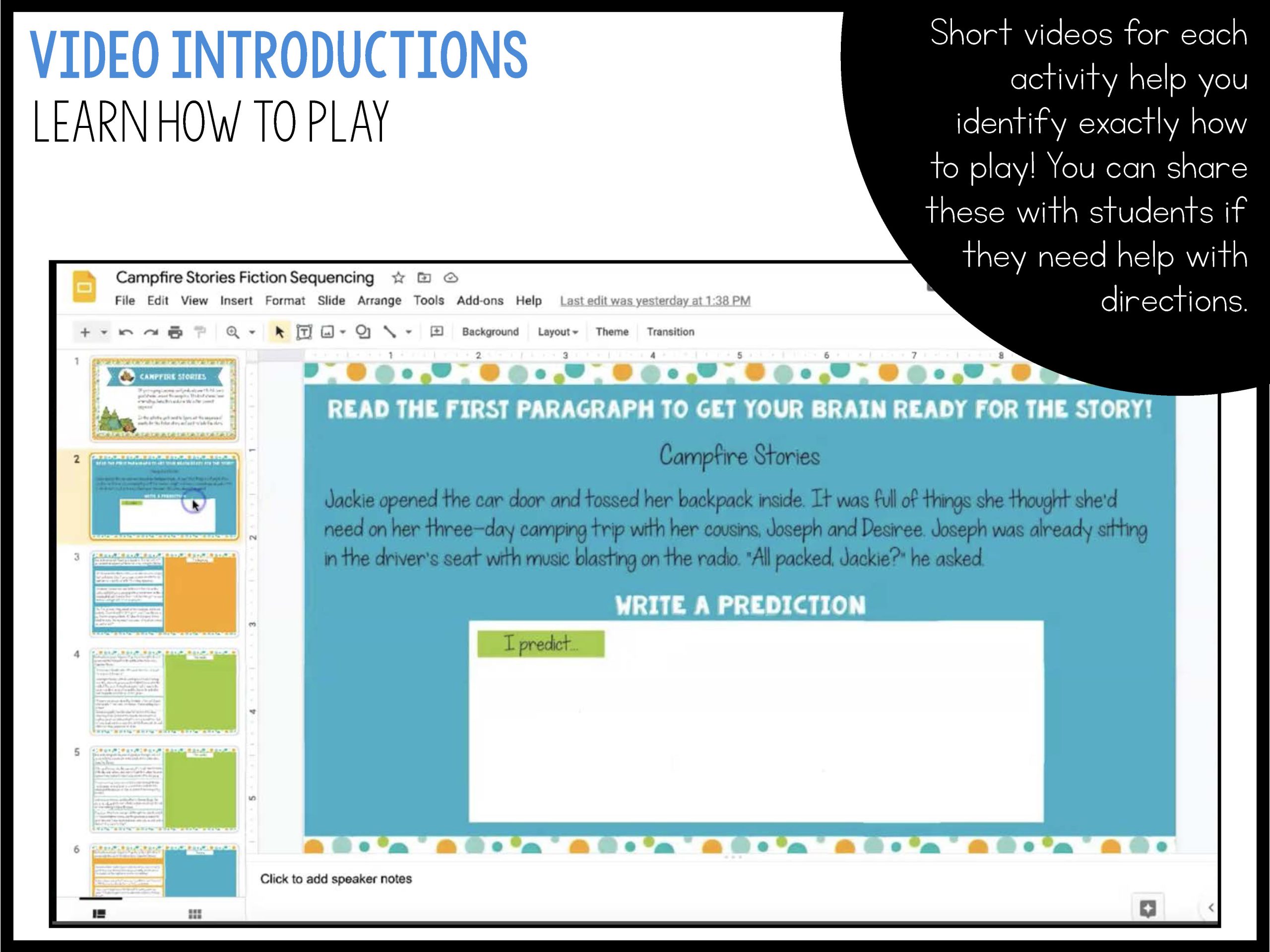
- Introduction videos for each activity.
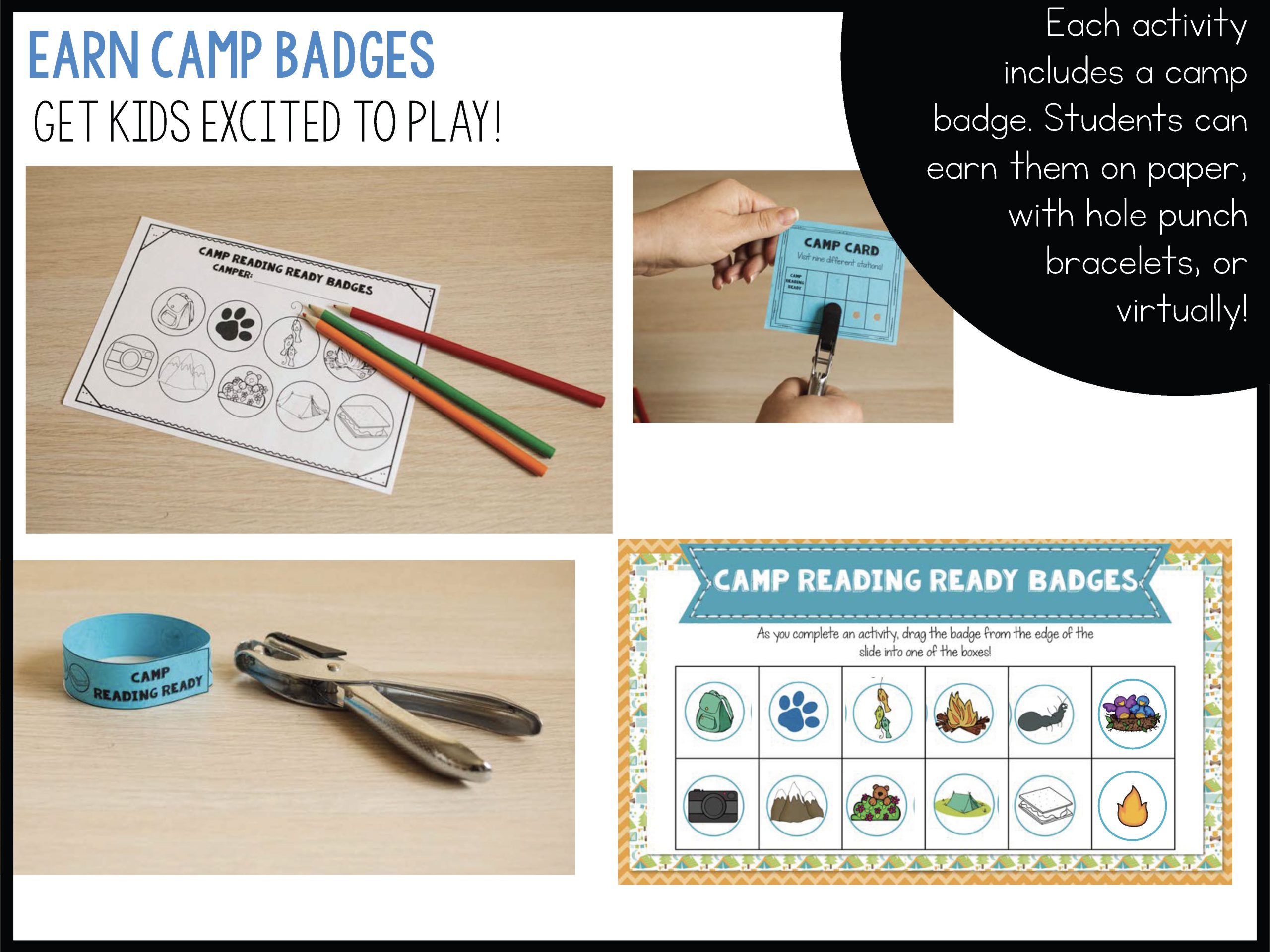
- Ideas for holding your own Camp Reading Ready!
- Ideas for motivating students, plus the materials you’ll need
*Digital badges
*Punch cards
*Punch bracelets
*Camp badge collection
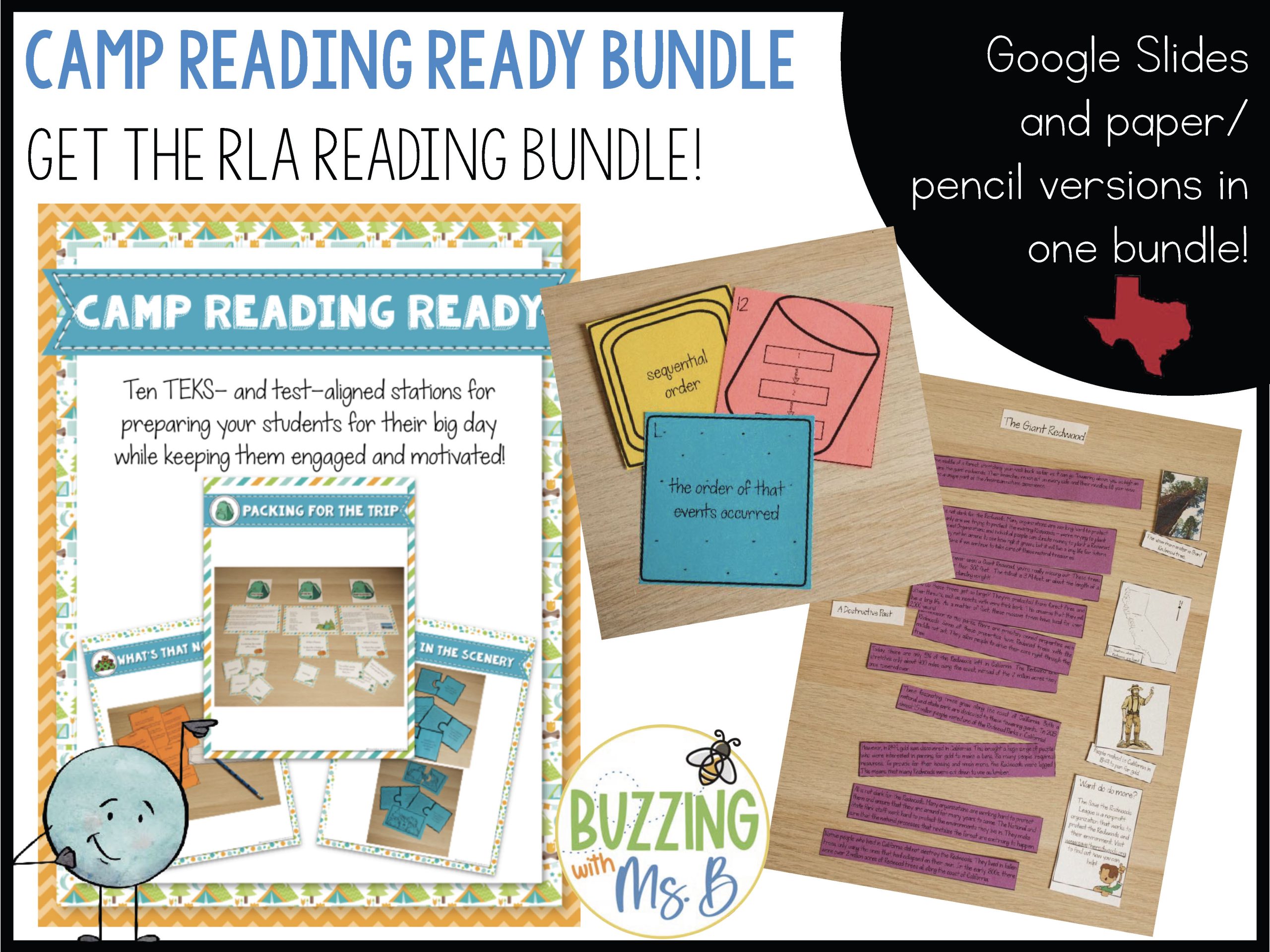
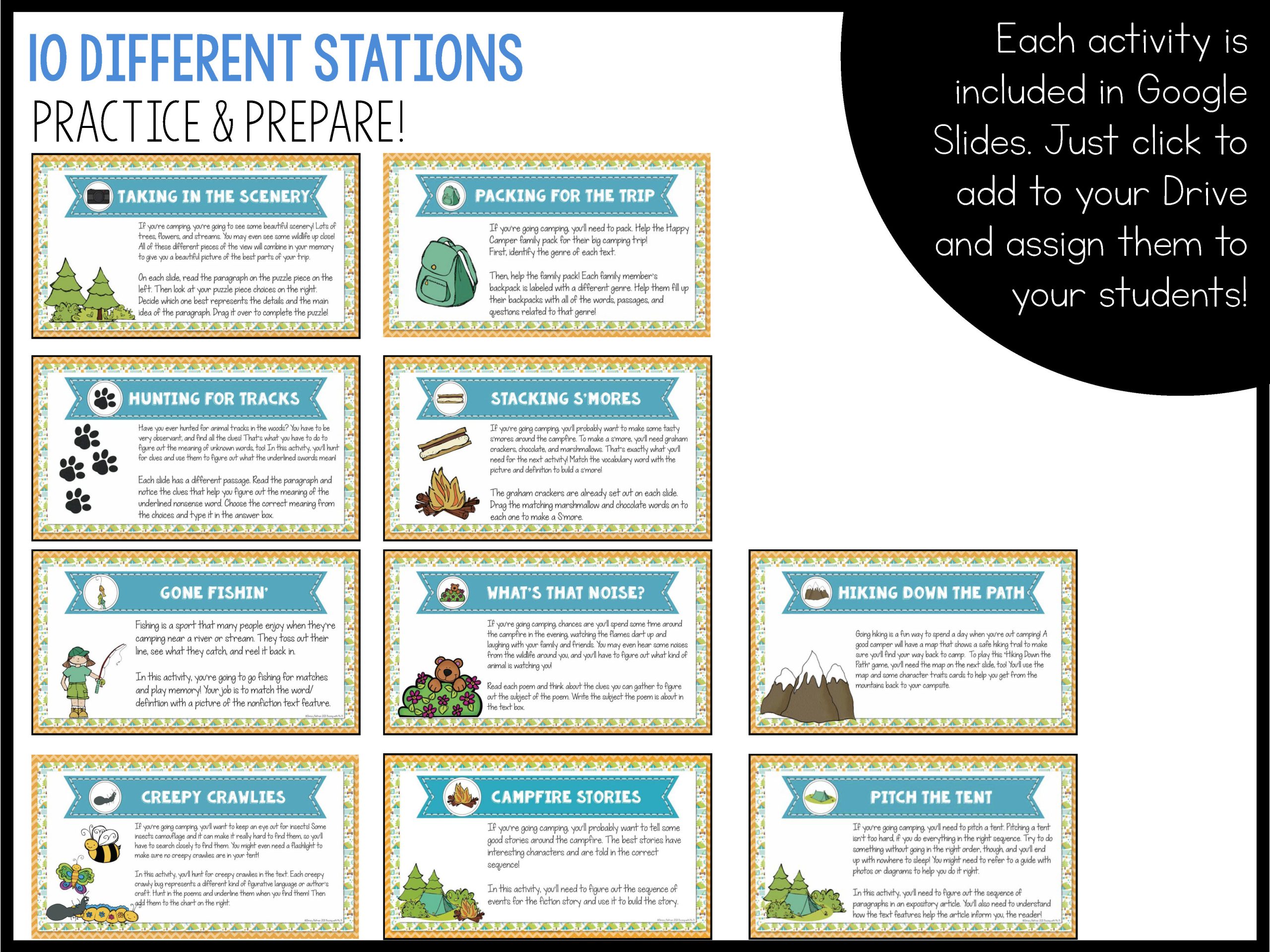
10 engaging, hands-on, TEKS-aligned stations to help your kids review for their test while having fun!
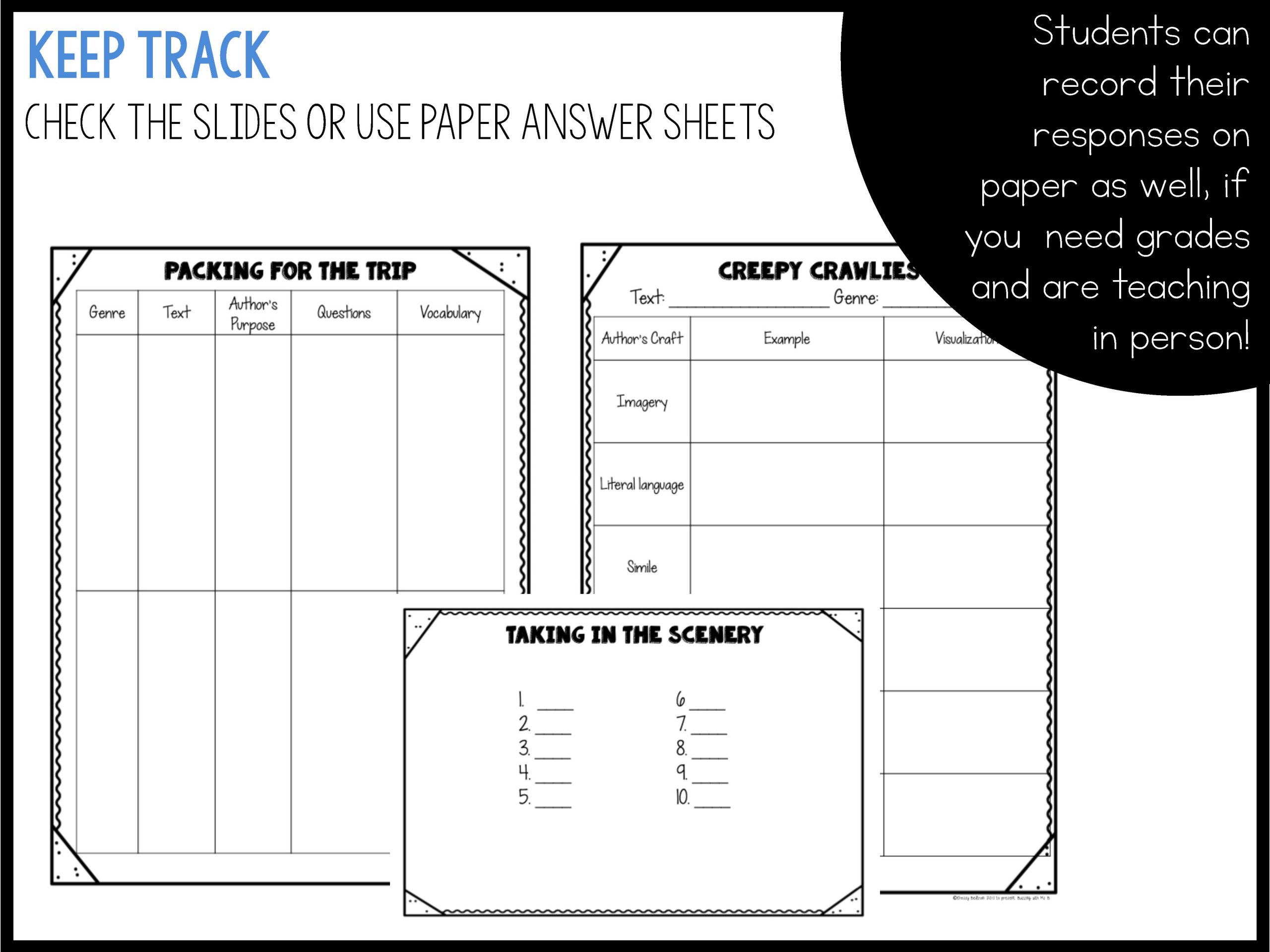
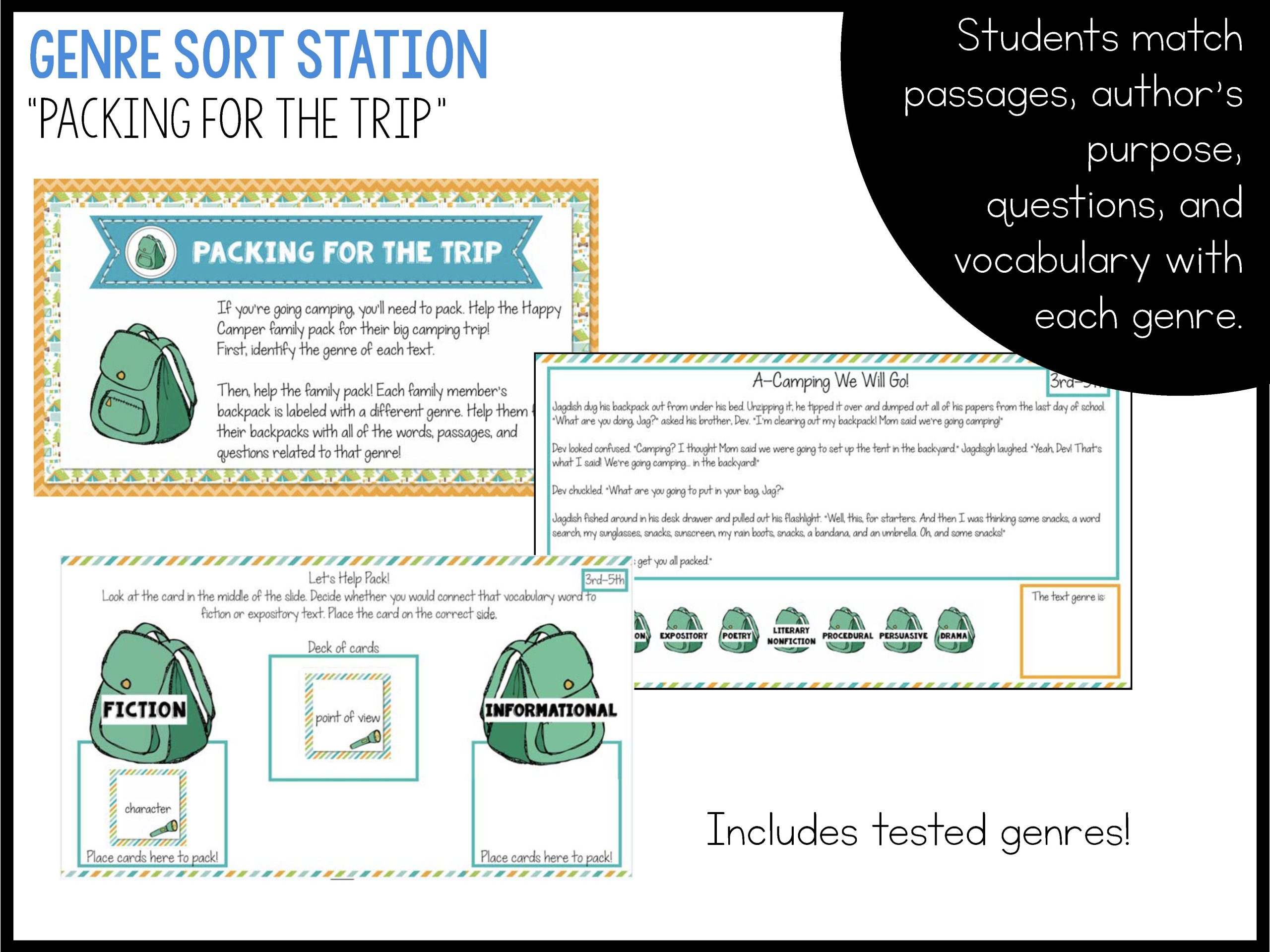
1. Packing for the Trip: Match text samples, author’s purpose cards, vocabulary words, and questions into the different tested genres. Genres included are fiction, expository, poetry, literary nonfiction, procedural, drama (for fourth and fifth), and persuasive (for fifth).
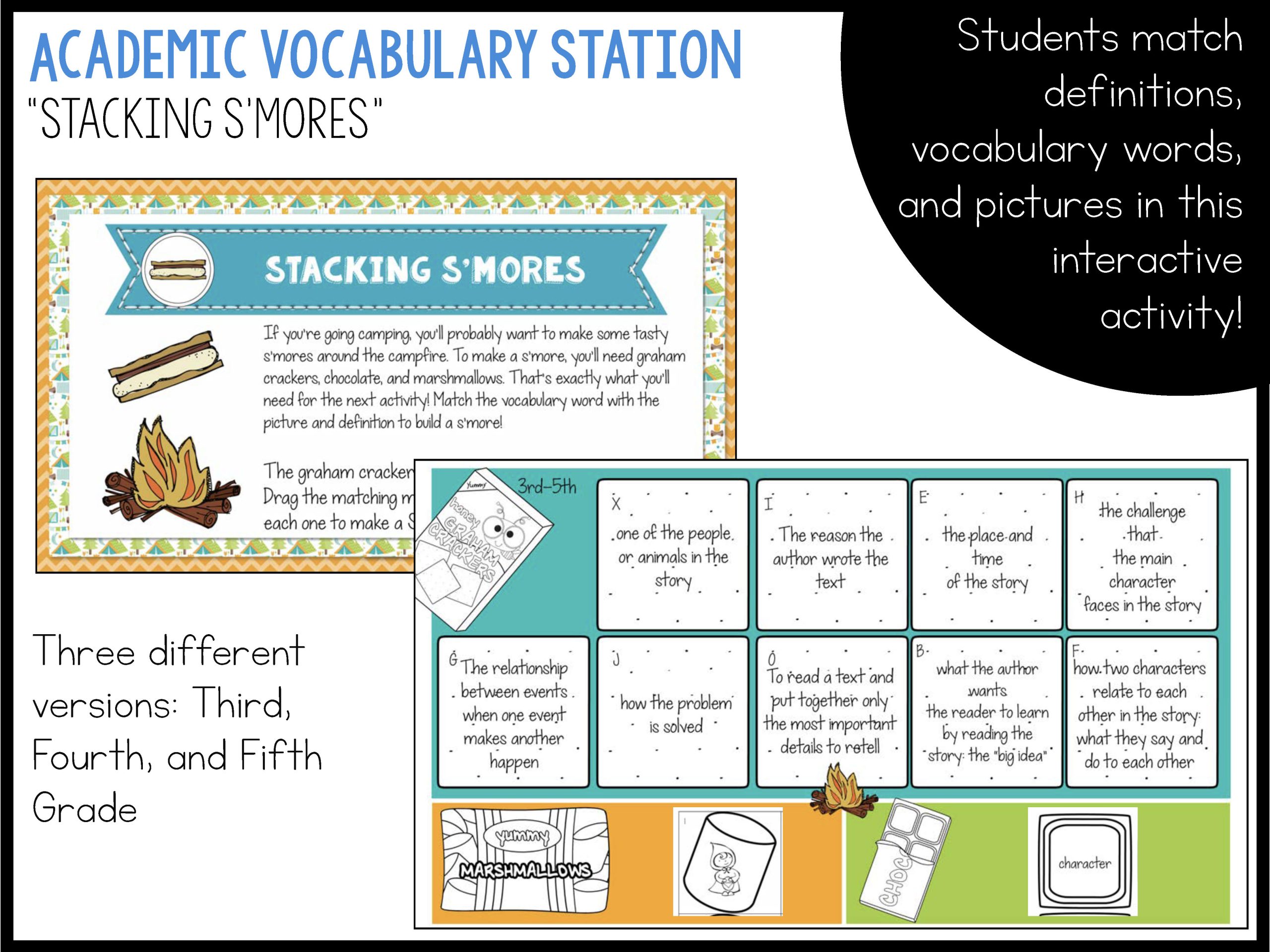
2. Stackin’ S’mores: Match academic language: words, definitions, and pictures.
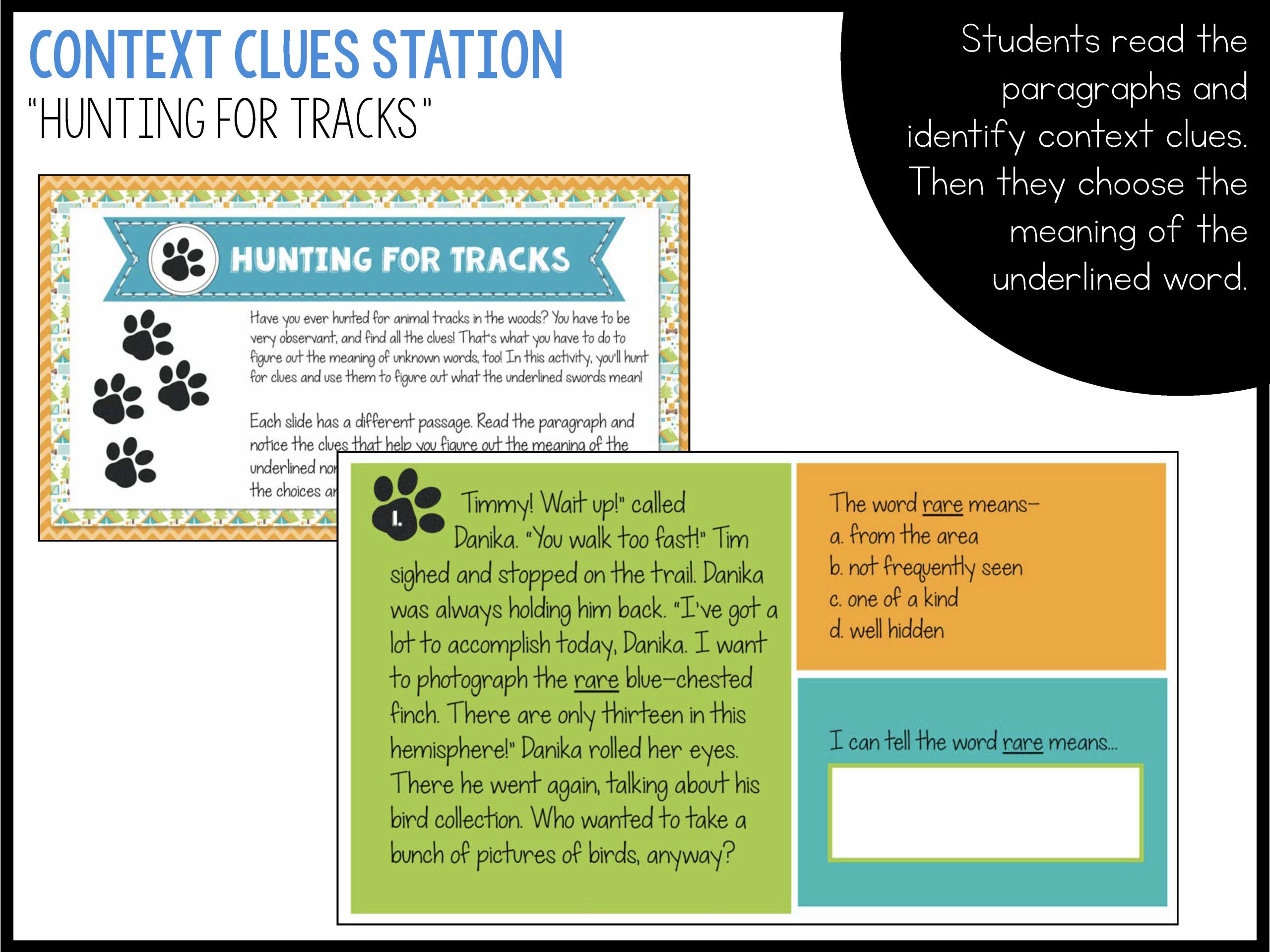
3. Hunting for Tracks: Use context clues to figure out the meaning of unknown words. 12 different task cards on slides are included.
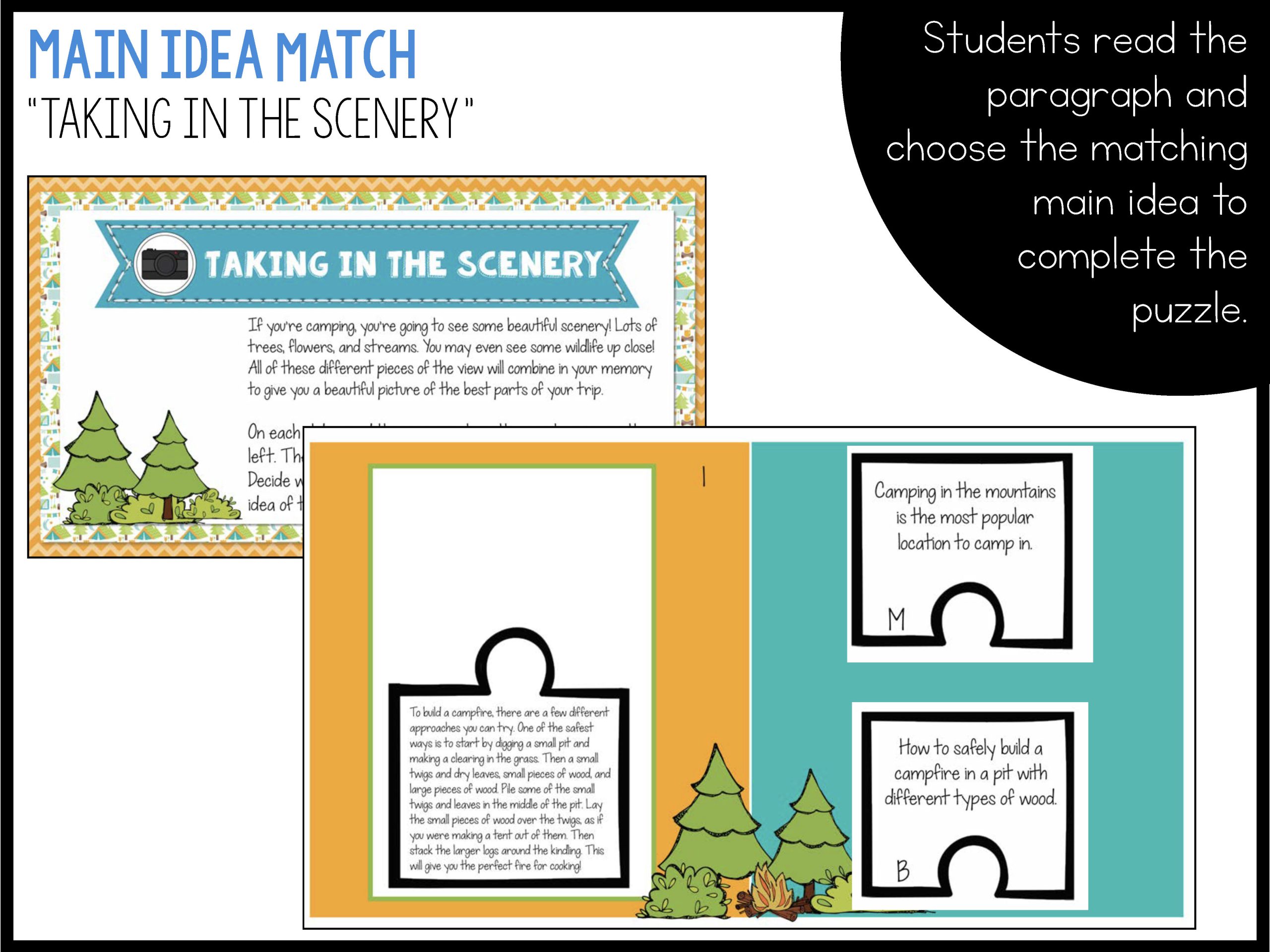
4. Take in the Scenery: Match the paragraph with the main idea. 10 different paragraphs included. Two choices for each paragraph: a right and a wrong choice.
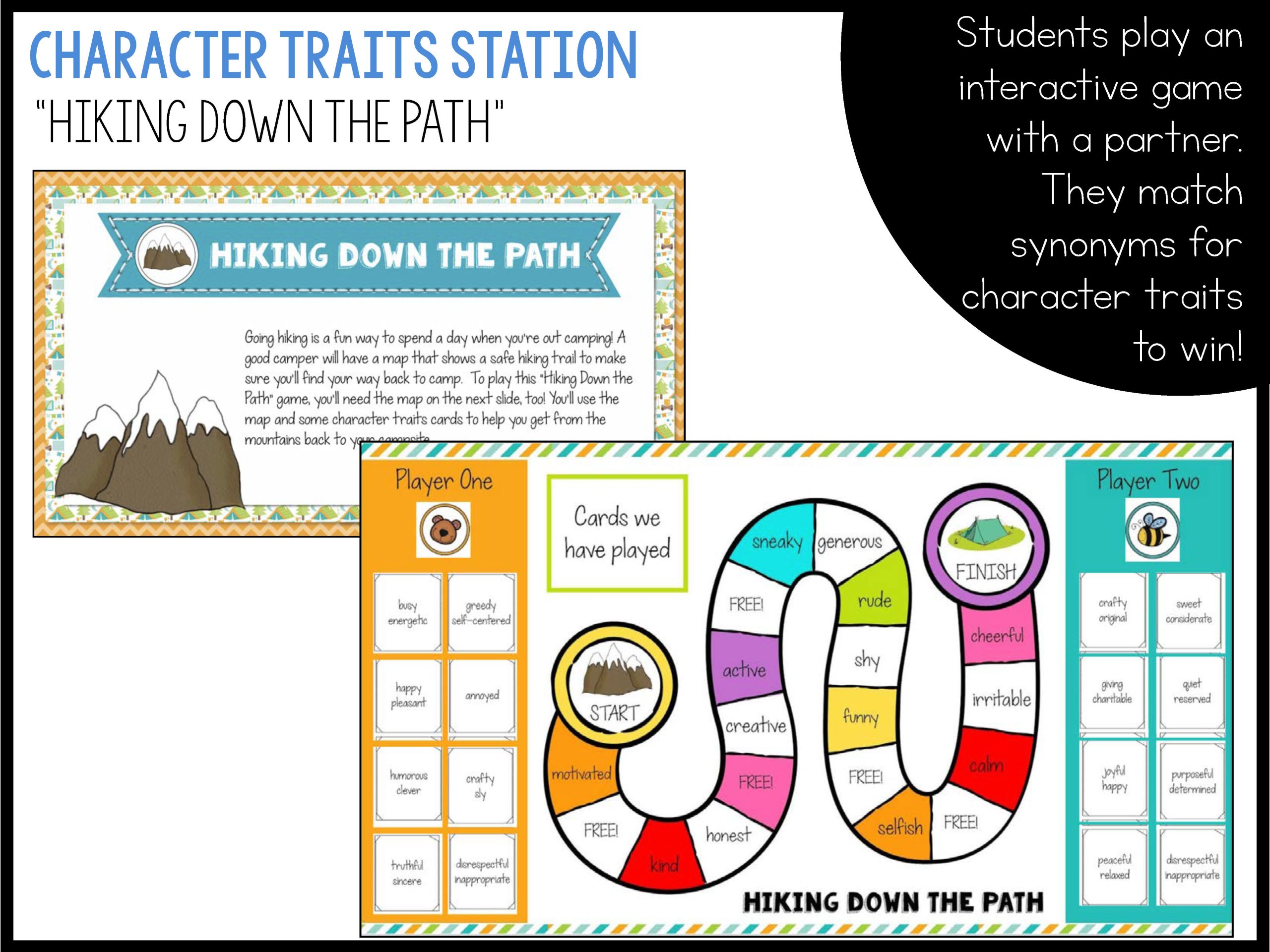
5. Hiking Down the Path: This game is meant to play with a partner. Play a board game and identify synonyms for character traits.
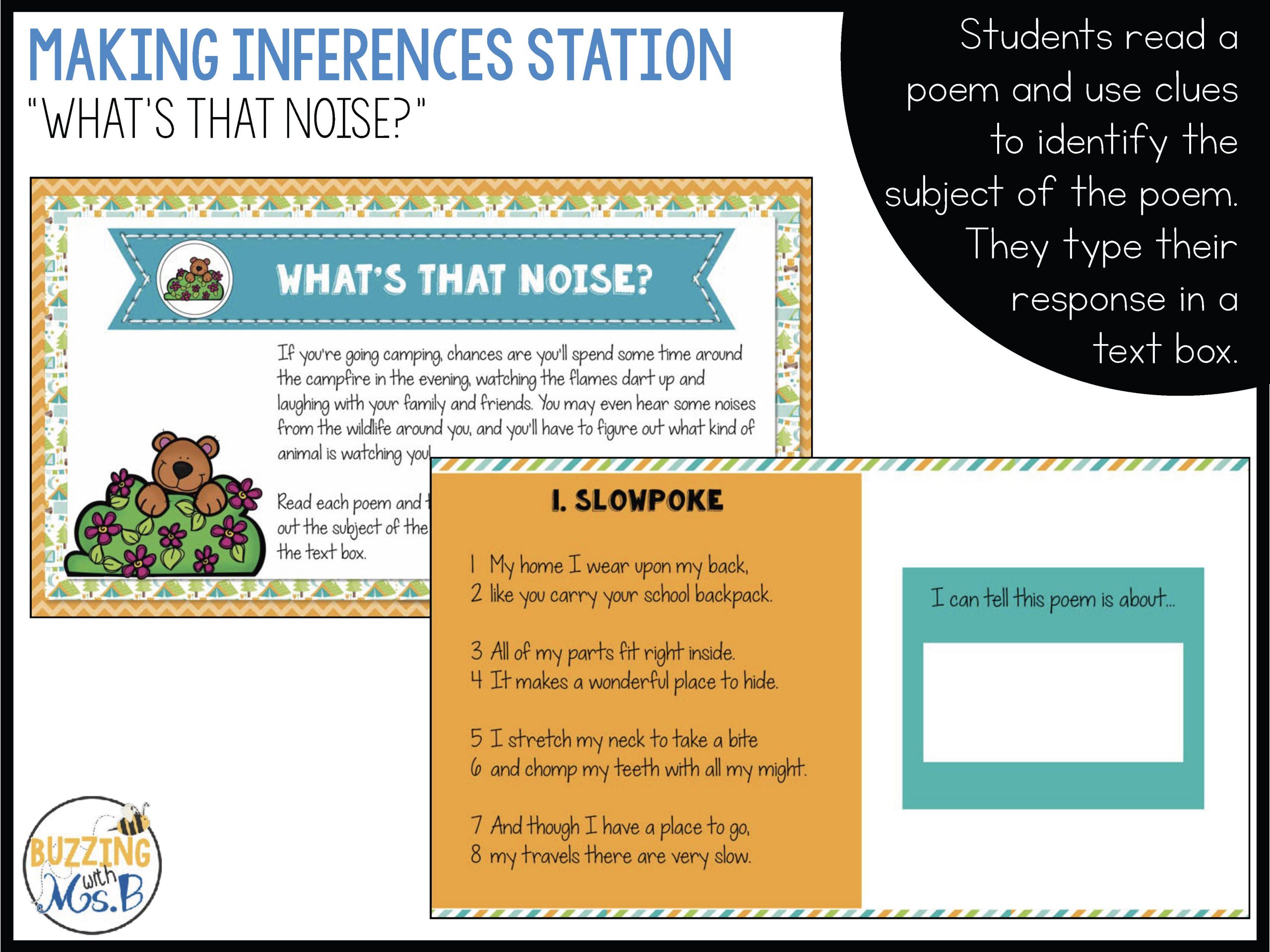
6. What’s That Noise? Infer the speaker of poems using clues. 8 poems included.
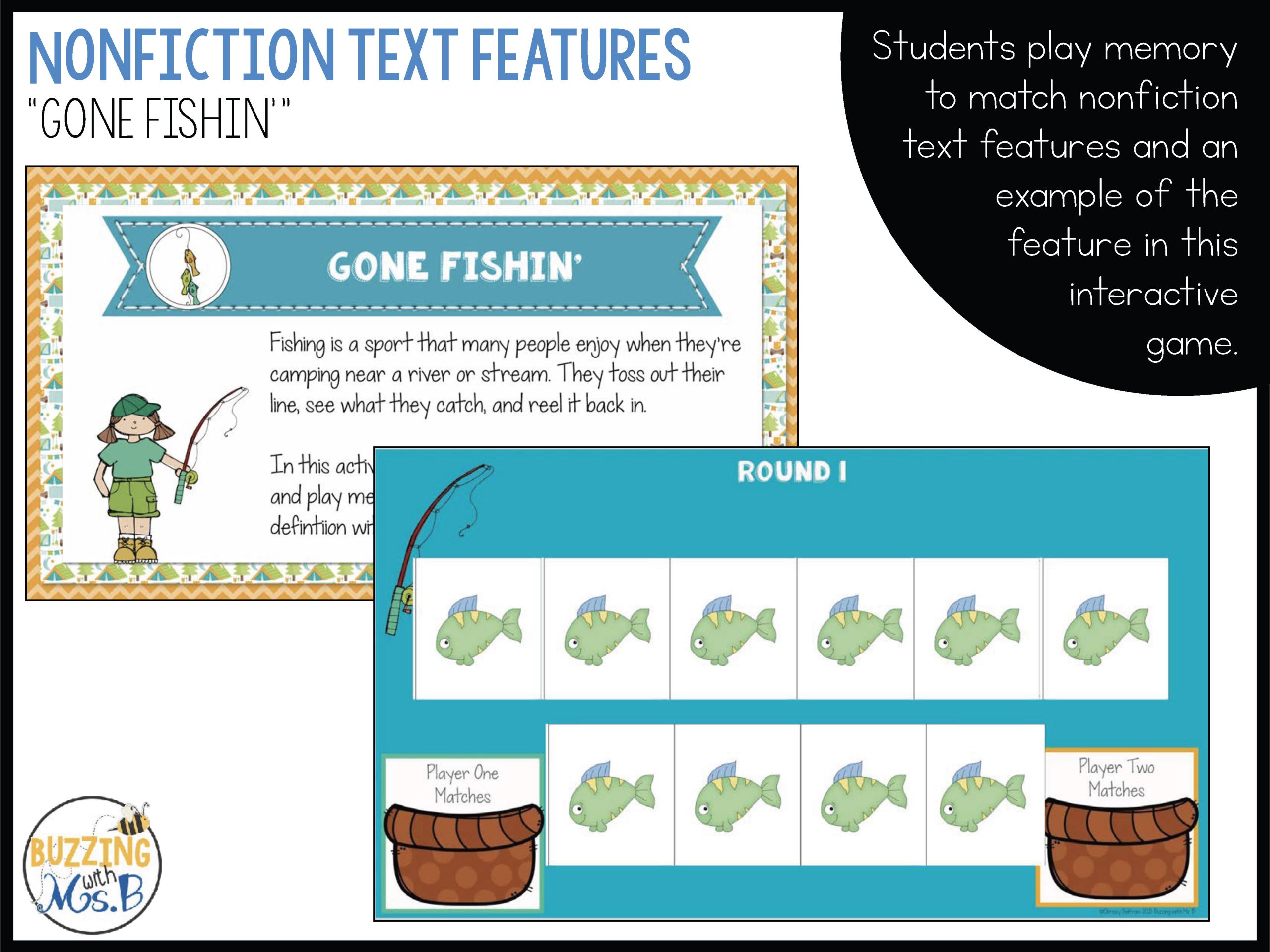
7. Gone Fishin’: Play Memory with text features: words and picture examples. 16 different text features plus definitions.
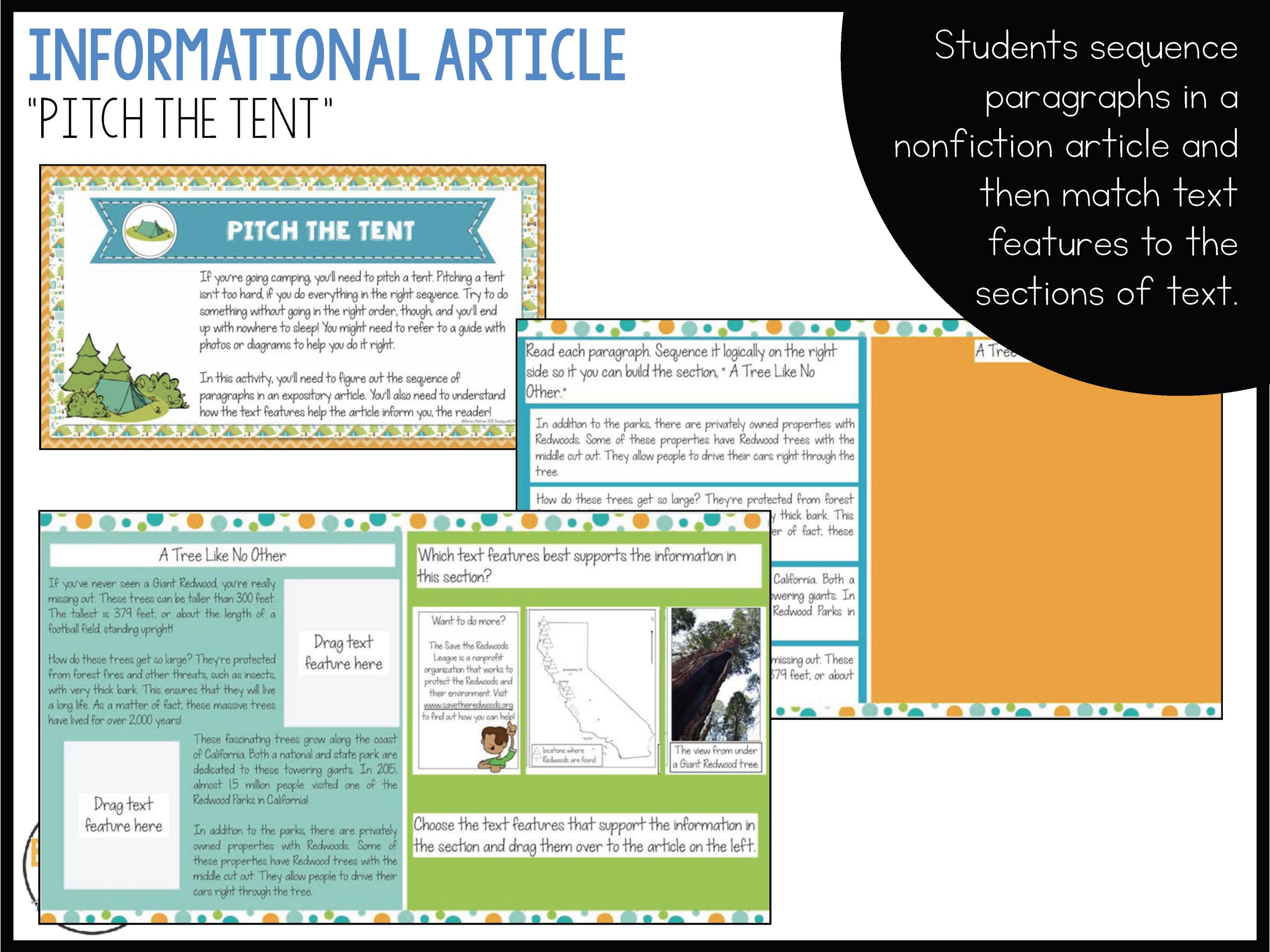
8. Pitch the Tent: Sequence paragraphs to build an expository article. Students match the text features to identify which features support the information in the text. Lots of thinking skills needed!
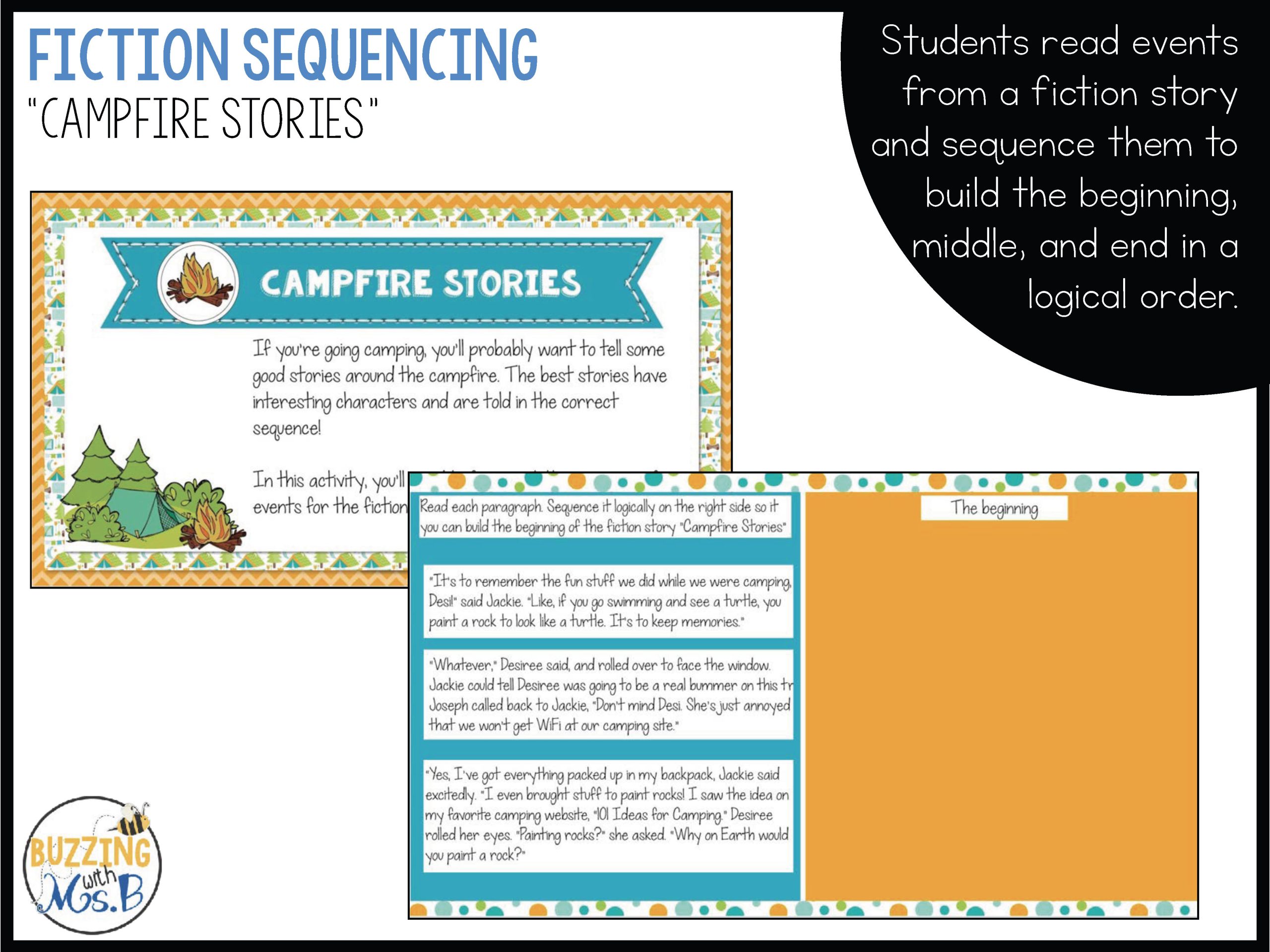
9. Campfire Stories: Sequence events to recreate a fiction story.
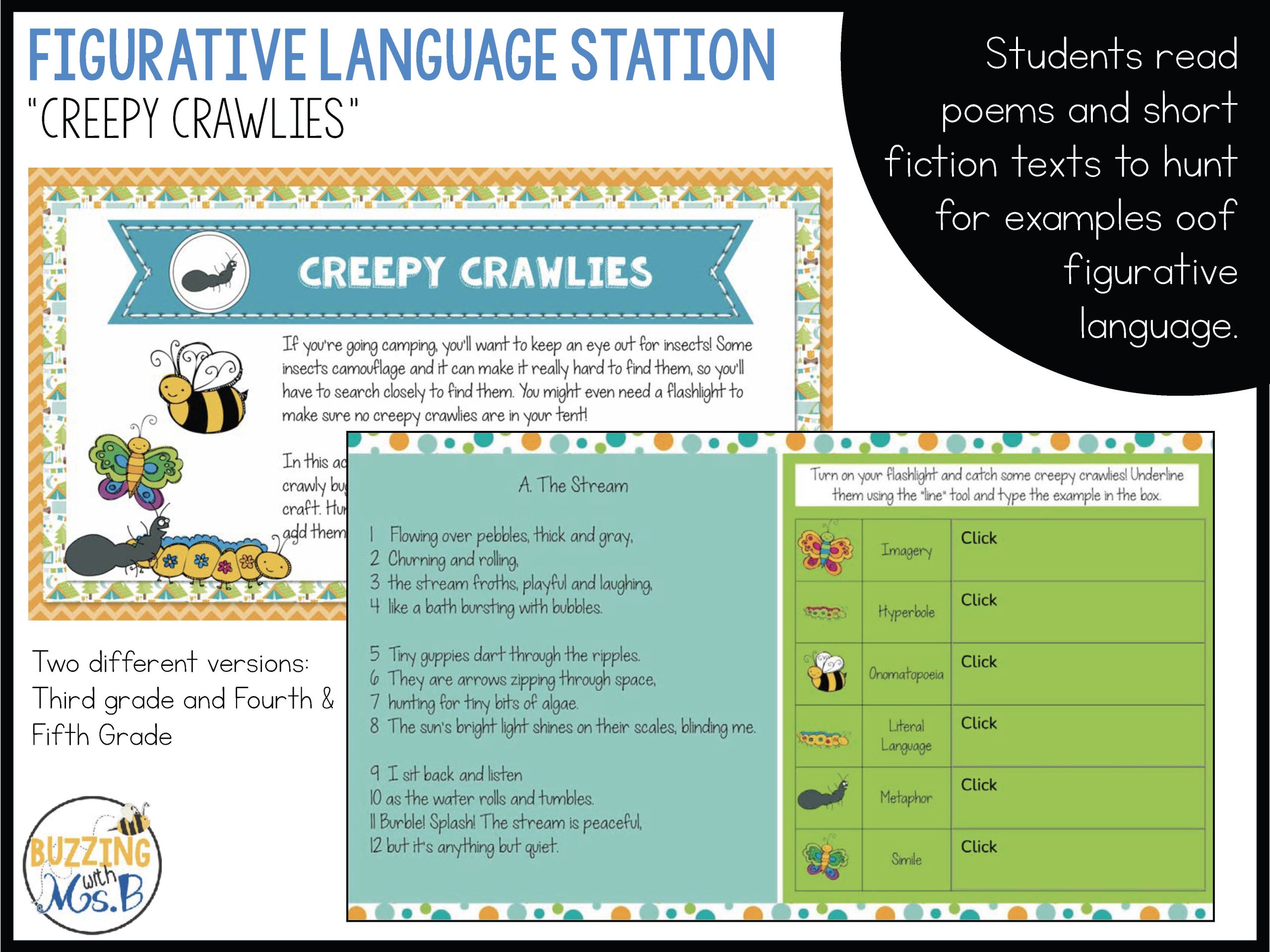
10. Creepy Crawlies: Hunt for examples of author’s craft in fiction and poetry. Includes craft such as simile, metaphor, and imagery and more. Fourth and fifth grade differentiated versions include personification, point of view, alliteration, and assonance!
***************************************************************************************************
This product, once purchased, is licensed to be used in one classroom. Additional classrooms must purchase additional licenses.
Preview
FAQs
Approximately how long each station takes to complete?
You’ll likely need 30-45 minutes a day, depending on how quickly your student work through the activities and whether you’re expecting them to document every step or not. I tended to give more time because I wanted my students to show me all of their thinking on their recording sheets to build those good habits, but I do know many teachers are successful with less of an expectation on documentation! I have a blog post about running a camp if it’s helpful to you! http://buzzingwithmsb.blogspot.com/2019/03/how-to-create-fun-test-review-camp.html
Are the activities the same in the print and digital versions of your reading boot camp?
The activities are the same when it was possible to replicate them in Google Slides. Several activities needed adjustments to work in this format, but they are the same intent and very similar.
Standards Covered
Related products
-

-

- Sale!
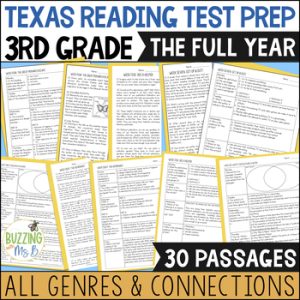
Third Grade Texas Reading Test Prep for the Whole Year Prep Bundle
Original price was: $76.00.$68.40Current price is: $68.40. -