Test Prep Made Easy: Compare & Contrast Same-Topic Texts
Comparing and contrasting two texts on the same topic is a key reading skill—and an important part of standardized testing! But let’s be honest, if we only teach this skill through worksheets and multiple-choice questions, our students are going to tune out FAST. Instead, let’s make it interactive and engaging with hands-on strategies that build critical thinking and make test prep to compare and contrast fun!
Before diving into test prep mode, we need to make sure our students truly understand how to compare and contrast texts. These activities will get them thinking critically while having fun!

1. Teach the Language of Comparing and Contrasting
Before students can analyze similarities and differences, they need the right words! Spend time identifying and practicing key terms like both, similar, alike, also, in contrast, however, unlike, different, whereas and more. Use anchor charts, word sorts, and even a game of charades to reinforce these words in a memorable way!

2. Venn Diagram Sorting Activity
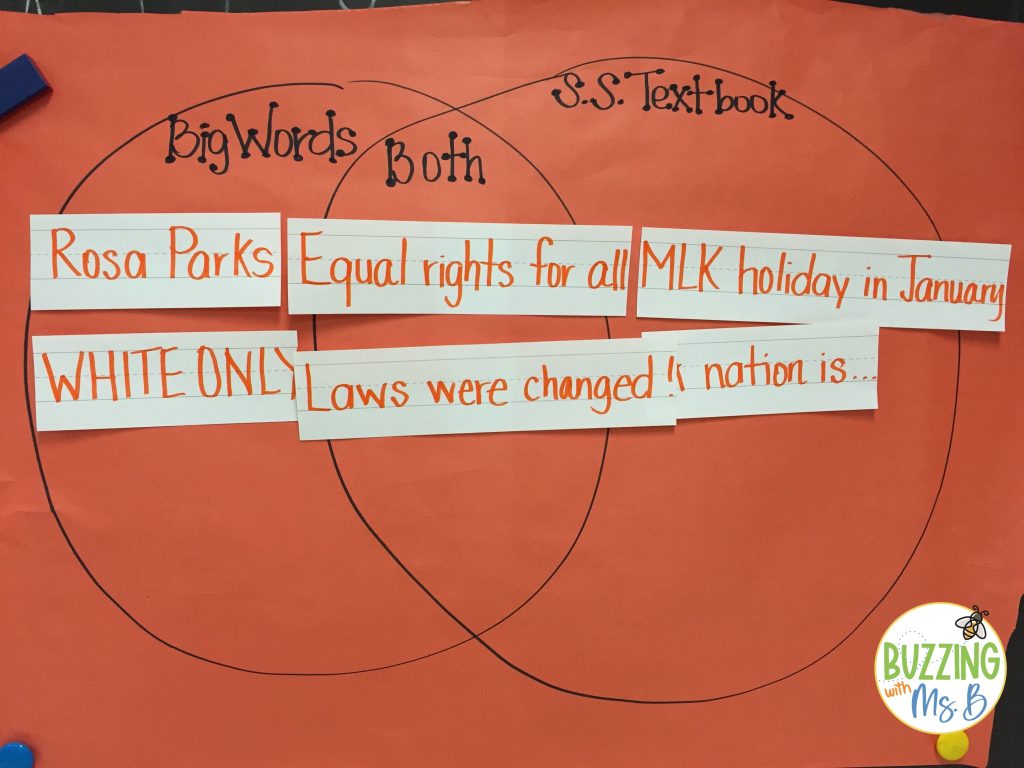
Create a large Venn diagram on chart paper or the whiteboard. Write out statements from each text on index cards or sentence strips—some should describe only one selection, and some should apply to both. Students take turns reading the statements and placing them in the correct section of the Venn diagram. This activity reinforces textual analysis in a collaborative way!
3. Paper Plate Sort for Similarities and Differences
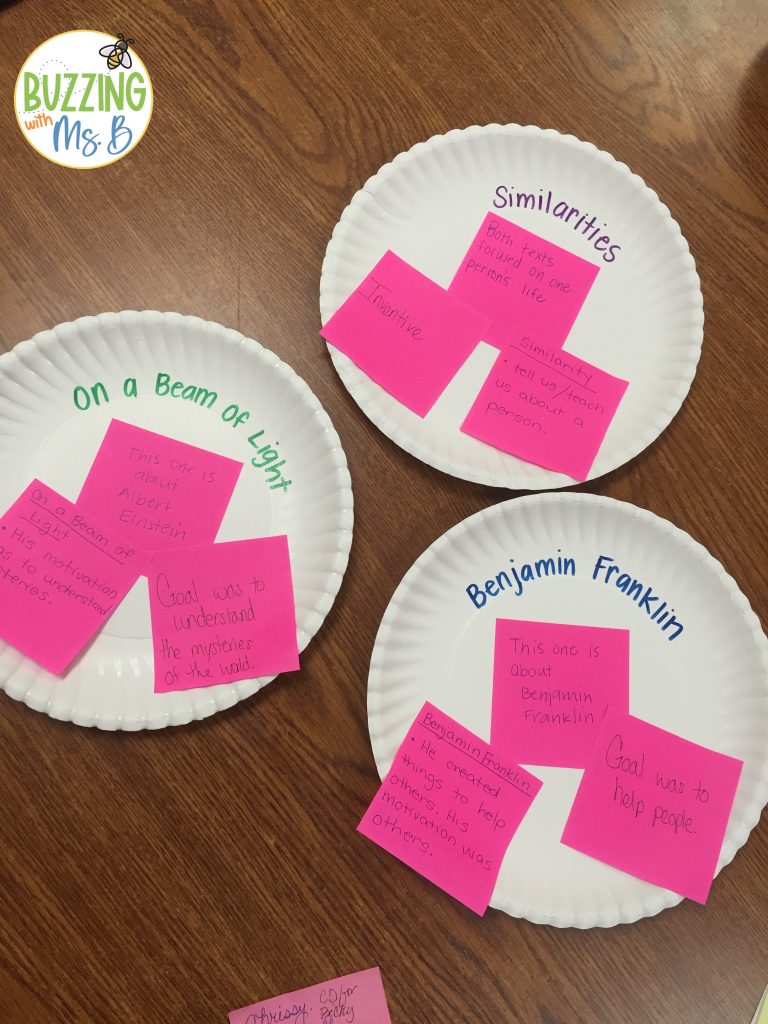
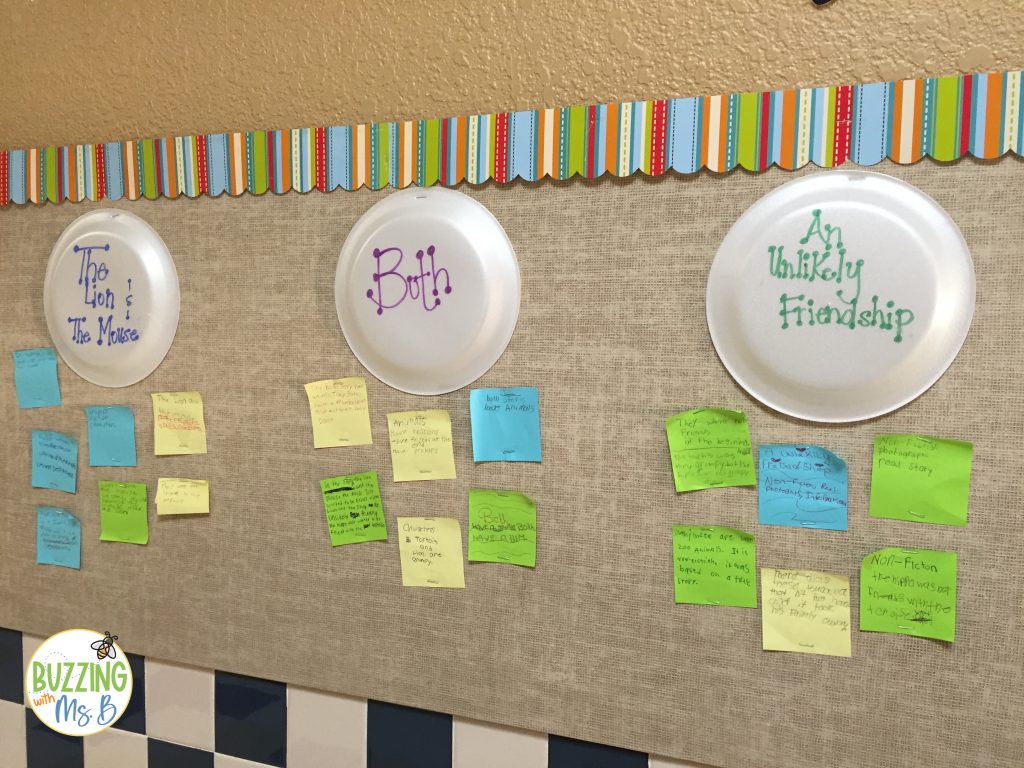
Each student gets three sticky notes and writes one detail from the first text, one from the second, and one that applies to both. Then, they meet up in small groups to mix up their notes and sort them onto three labeled paper plates: one for the first text, one for the second, and one for both. This strategy encourages discussion and justification of choices!
4. Laminated Venn Diagram Recording
Sometimes students just need a clear visual to solidify their understanding! Give them laminated Venn diagrams and dry-erase markers to jot down similarities and differences as they read. The tactile element of writing and erasing makes the activity more engaging.

Test-Taking Strategies for Compare & Contrast Passages
Once students are comfortable with comparing and contrasting, it’s time to apply these skills to test questions. Here’s how to make it more approachable and structured:
1. Summarize Each Text First
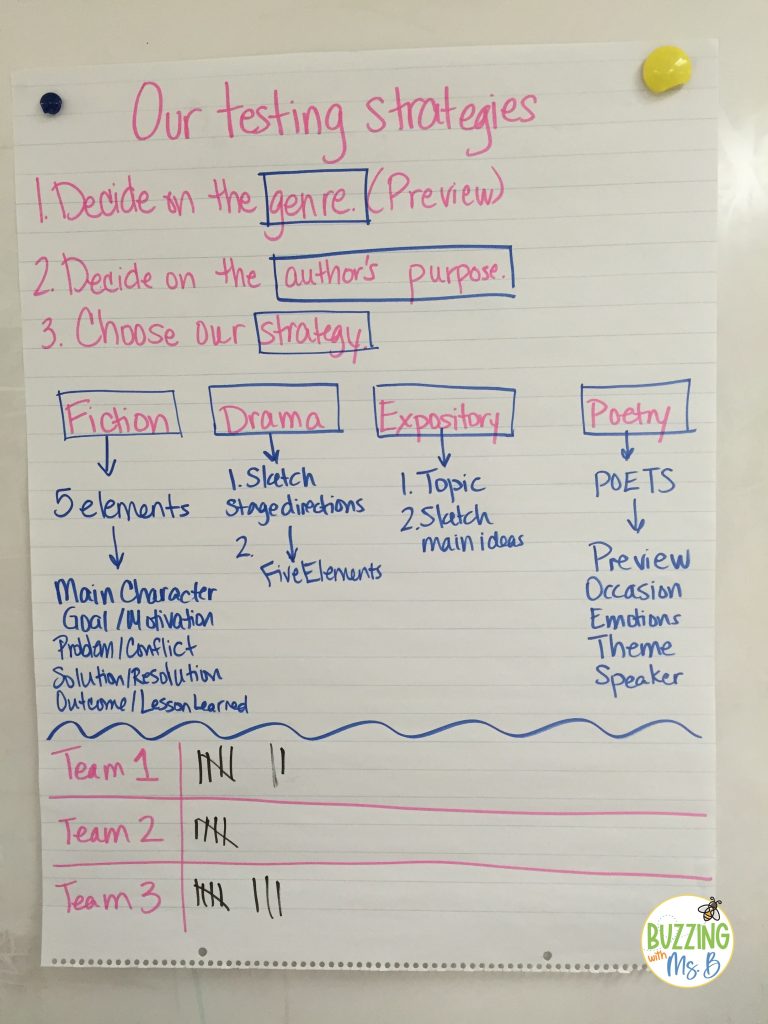
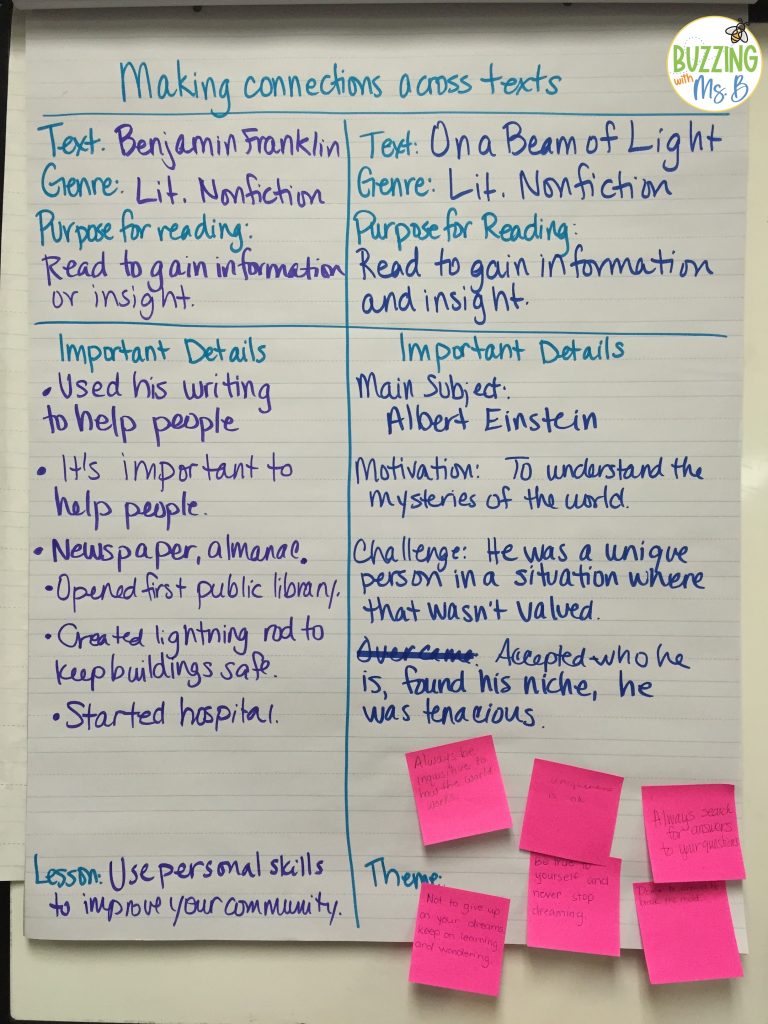
Before even looking at the questions, have students summarize each text using a strategy you’ve taught. If the passages are poetry, drama, or fiction, remind students to connect their summaries to the genre-focused reading strategies you’ve been practicing! (Check out my blog posts on test prep for fiction texts, drama test prep strategies, and informational reading test prep for more guidance!)
2. Read the Question Carefully
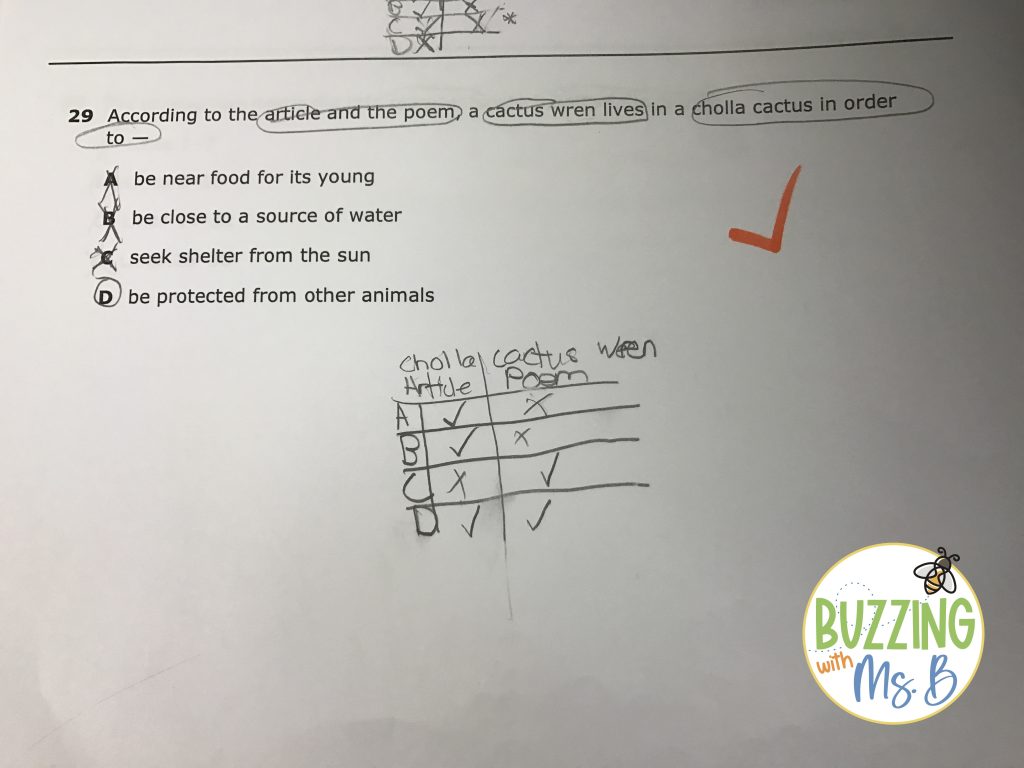
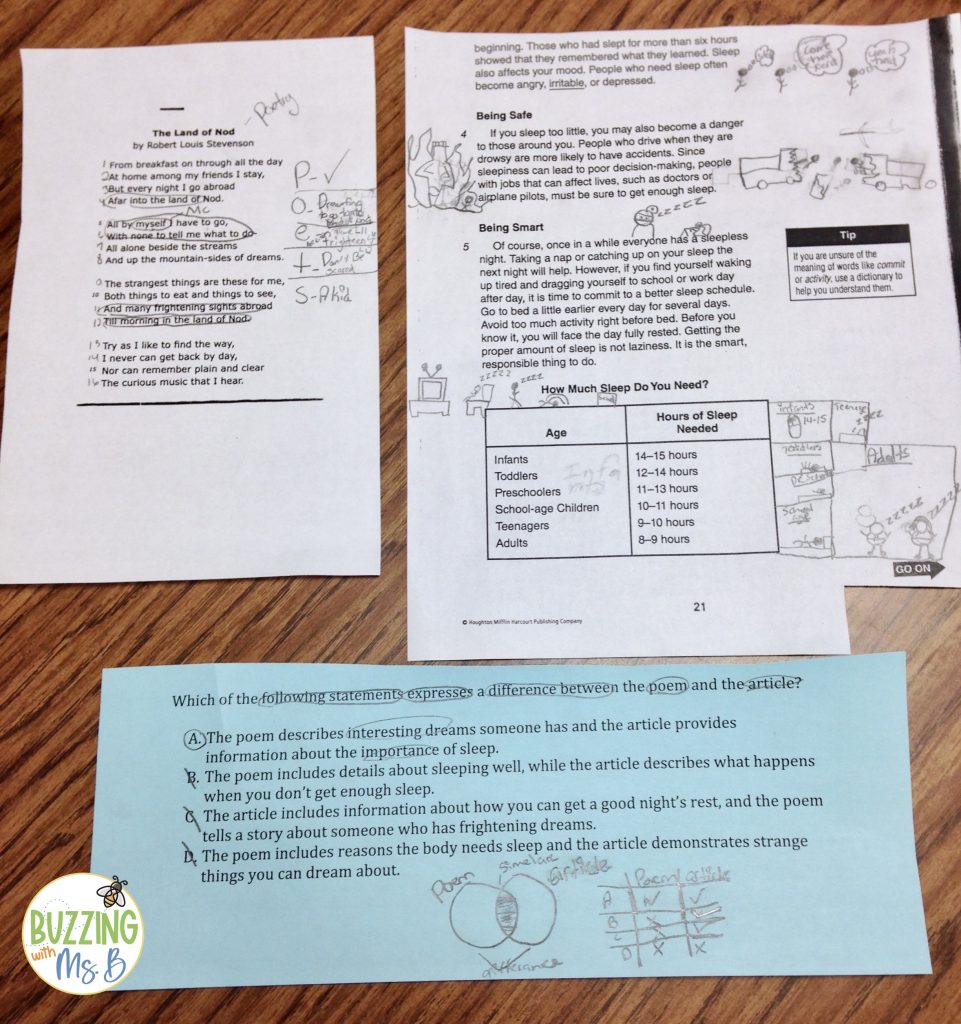
When tackling a paired selection question, students should first decide if the question is asking about a similarity or a difference. Encourage them to underline clue words that signal what the question is looking for.

3. Use a Two-Column Chart for Answer Choices
Give students a simple two-column chart labeled Selection 1 and Selection 2. As they go through answer choices, they should mark a ✔️ if they find evidence in the text or an ❌ if they don’t. This strategy prevents guessing and encourages evidence-based thinking!
By combining engaging hands-on activities with smart test-taking strategies, we can set our students up for success without making test prep feel like a chore. The more we help students interact with texts in meaningful ways, the more confident they’ll feel on test day! Let’s make comparing and contrasting fun and effective! 🎉
Resources Ready to Go! – Test Prep to Compare & Contrast
Looking for resources to help prepare your students for compare and contrast questions on reading tests? I’ve got you covered!
Here’s a sample of my compare and contrast resources or view the whole collection here!