Essential Poetry Reading Strategies for Test Success
Poetry can sometimes feel tricky – the figurative language, unique structure, and hidden meanings can make even confident readers pause. But with simple poetry reading strategies, your students can approach poetry questions with confidence—and maybe even enjoy it!
Enter the POETS acronym—an easy-to-remember strategy that helps young readers break down a poem and tackle test questions step by step.

The POETS Strategy
Each letter in POETS stands for a key step in analyzing poetry:
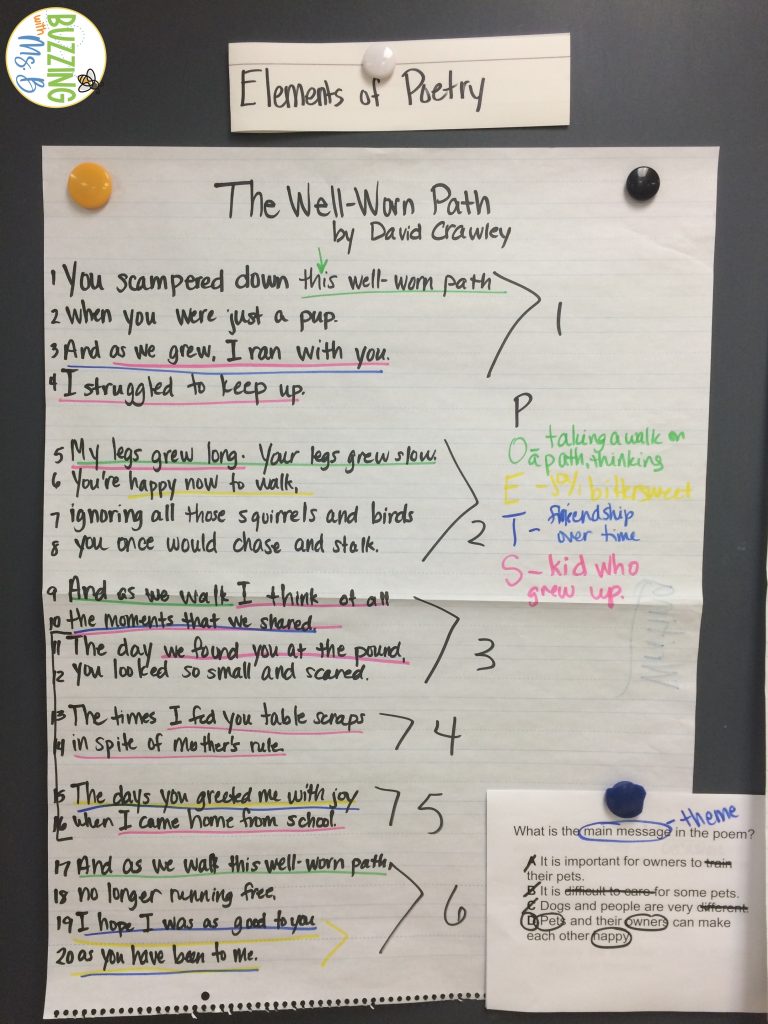
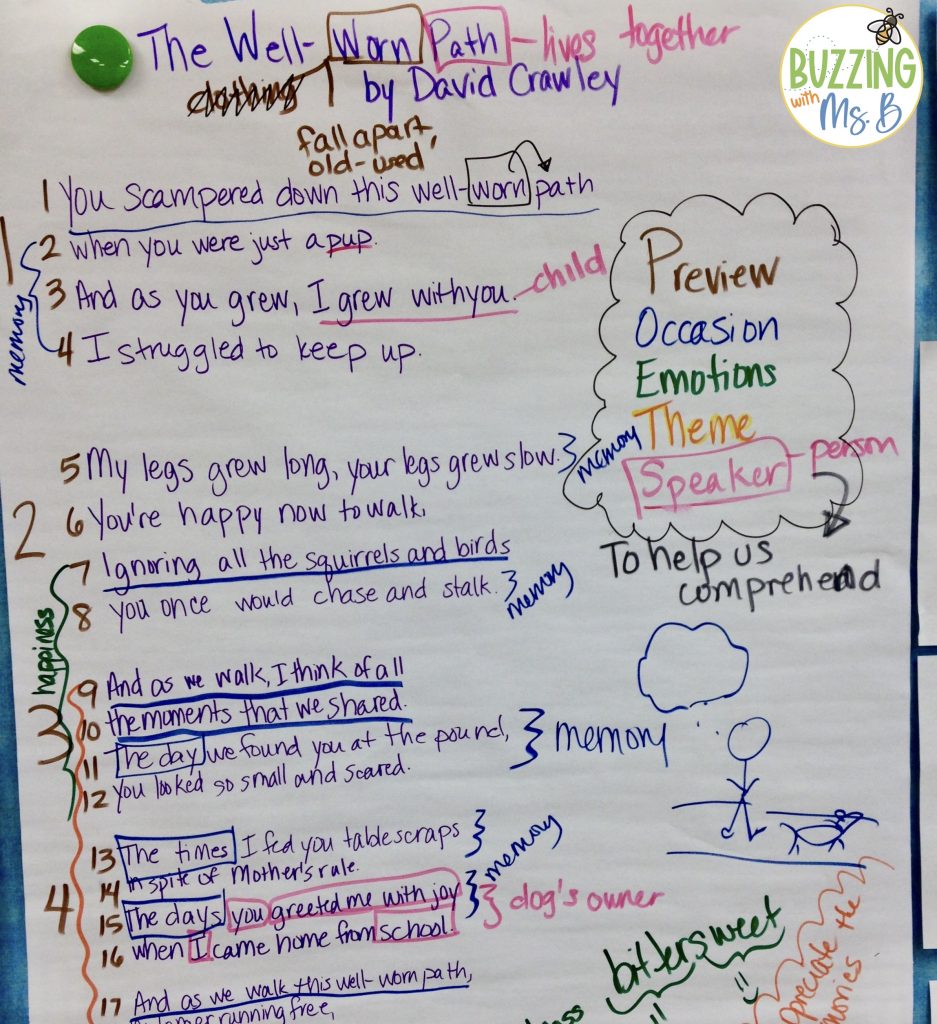
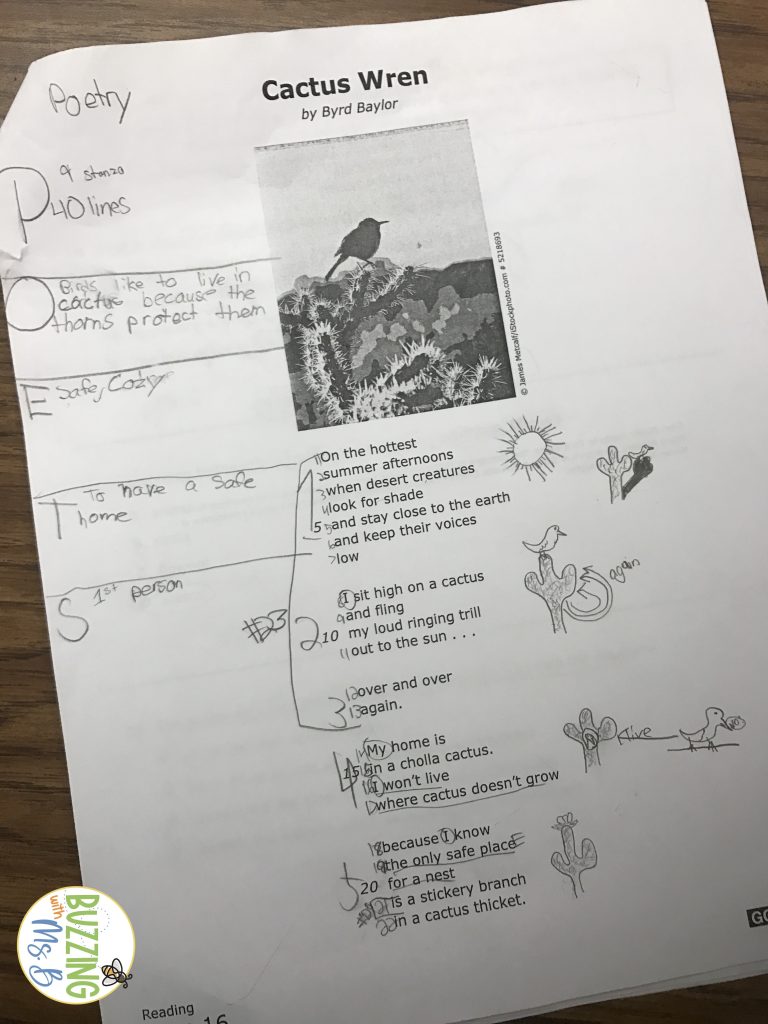
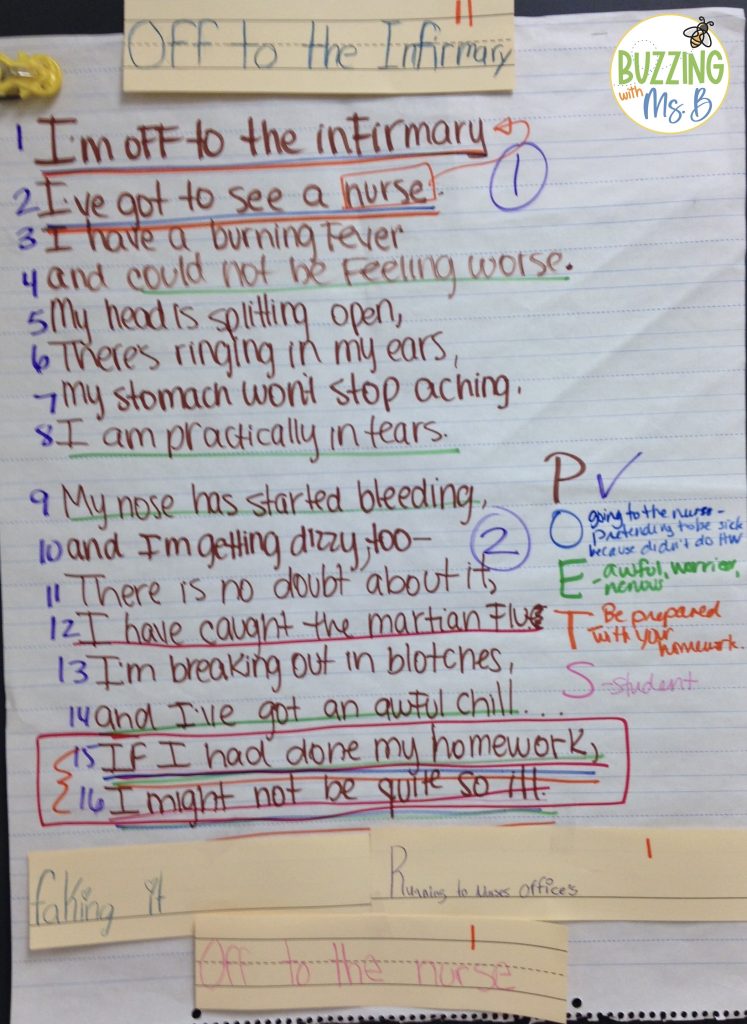
- P – Preview: Start by reading the poem’s title and quickly looking through the poem. Ask: What do you notice? Are there repeated words or a certain feeling?
- O – Occasion: Think about what’s happening in the poem. Is it describing a special event, a season, or a feeling?
- E – Emotions: What emotions does the poem express? How does it make you feel? Look for words that show strong feelings.
- T – Theme: What is the big idea or lesson of the poem? What message is the poet sharing?
- S – Speaker: Who is talking in the poem? Is it a character, an animal, or the poet?

Making Test Prep Fun and Interactive
Now that students have a strategy, let’s make practice engaging!
1. Question Sorting with POETS Write poetry test questions on large cards. In pairs or small groups, have students sort the questions based on which part of the POETS strategy applies. Is the question about emotions? The speaker? The theme? This activity helps kids think about how to approach each question before answering.
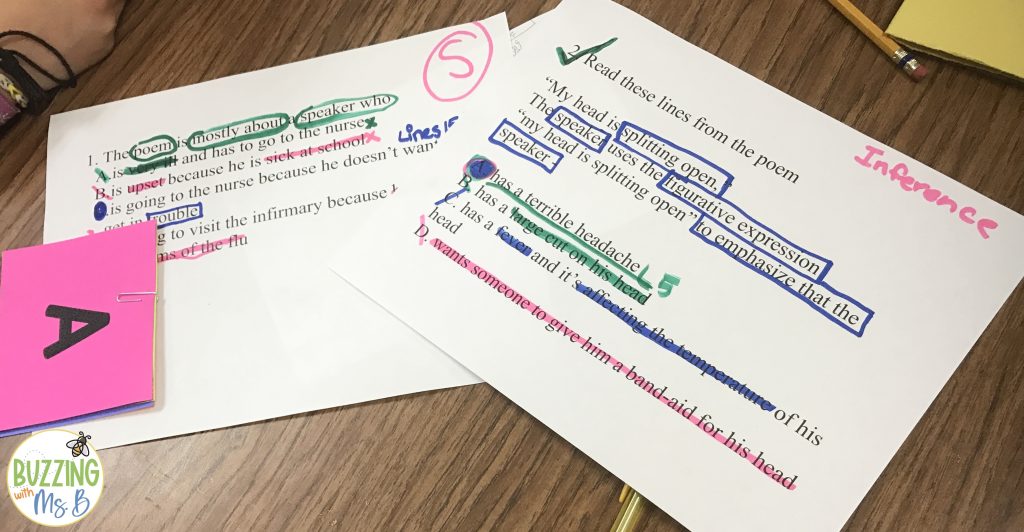
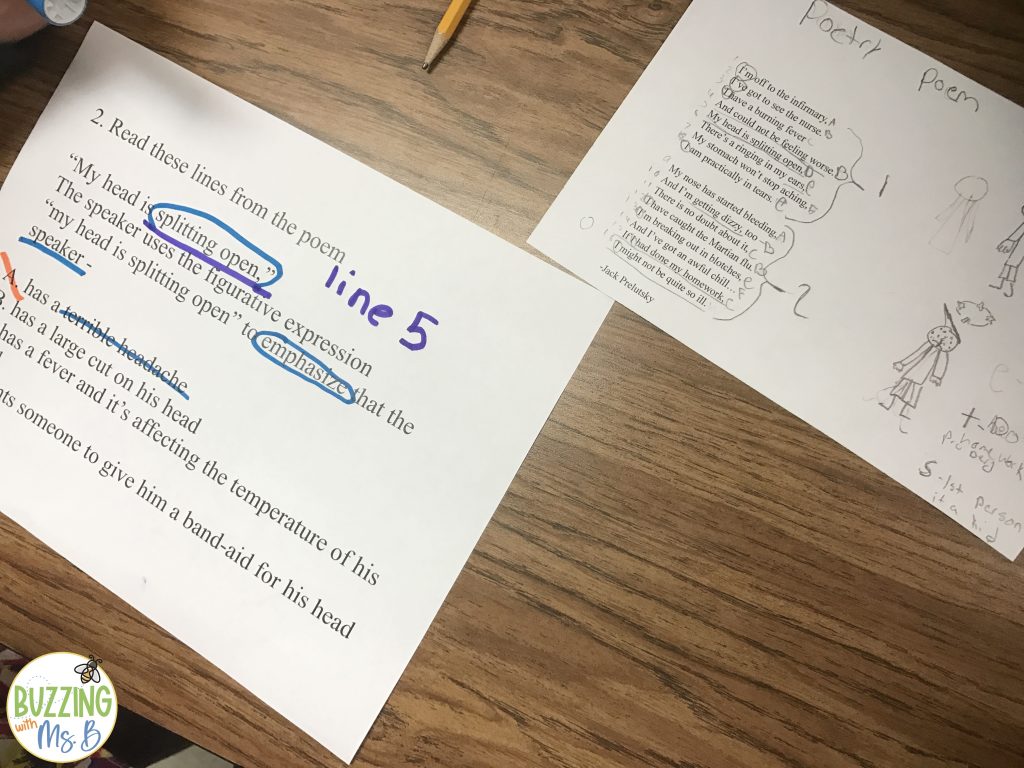
2. Labeling, Highlighting & Color Coding Once students have identified which part of POETS a question relates to, they should label it accordingly and find evidence in the poem. Encourage them to underline or highlight key words that help answer the question. Using color coding makes this even more effective—assign different colors to different elements (e.g., blue for theme, red for emotions, yellow for the speaker). This helps students visually organize information and quickly recognize patterns in the poem, reinforcing understanding.
3. The Mystery Title Challenge Before showing students the title of a poem, read it aloud or display only the poem’s text. Then, challenge them to come up with their own title based on the poem’s details, emotions, and theme. This activity encourages creative thinking and helps kids focus on the poem’s main idea.
Poetry Reading Strategies for Test Success
With the POETS strategy and fun practice activities, your 3rd, 4th, and 5th graders will feel more prepared (and way less nervous!) when they see a poem on their next test. Plus, these poetry reading strategies don’t just help with test prep—they build a deeper appreciation for poetry overall. Happy teaching!
Test Prep Resources, Ready to Go!
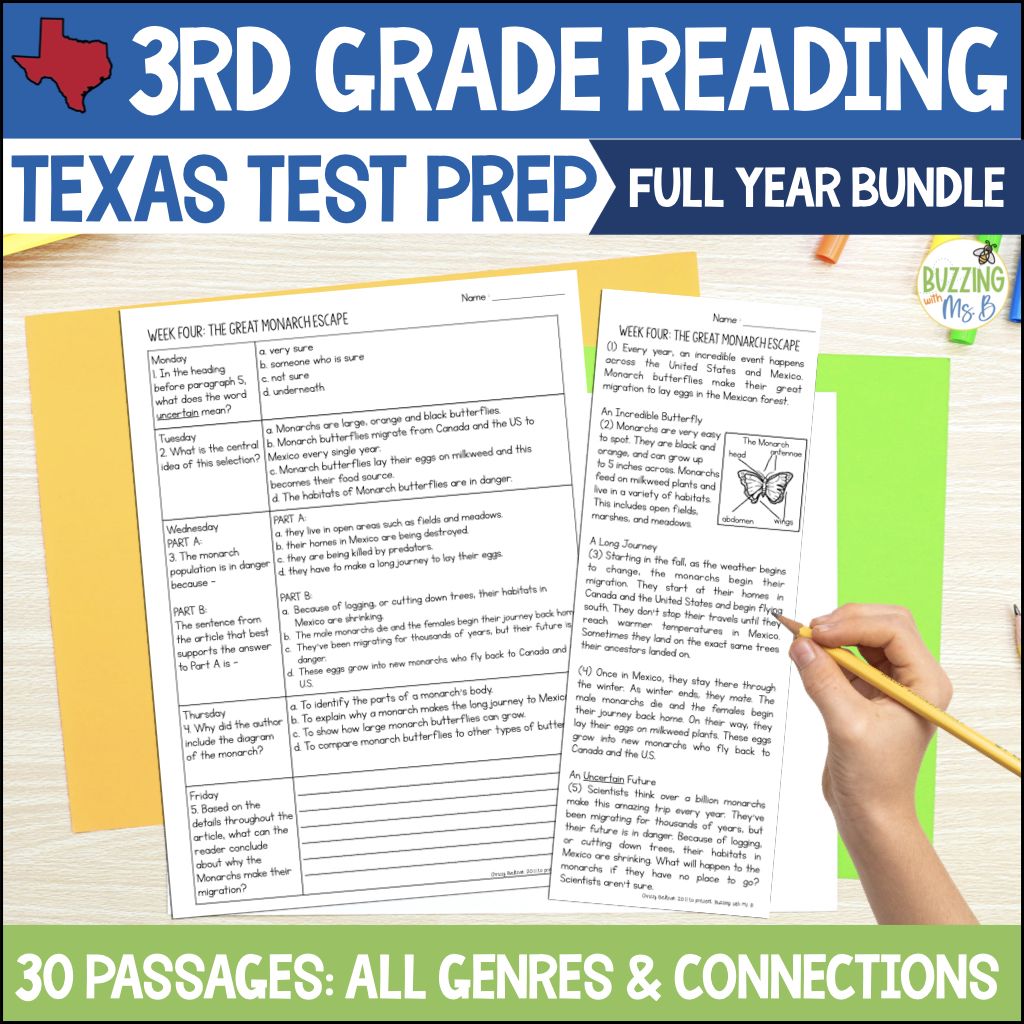
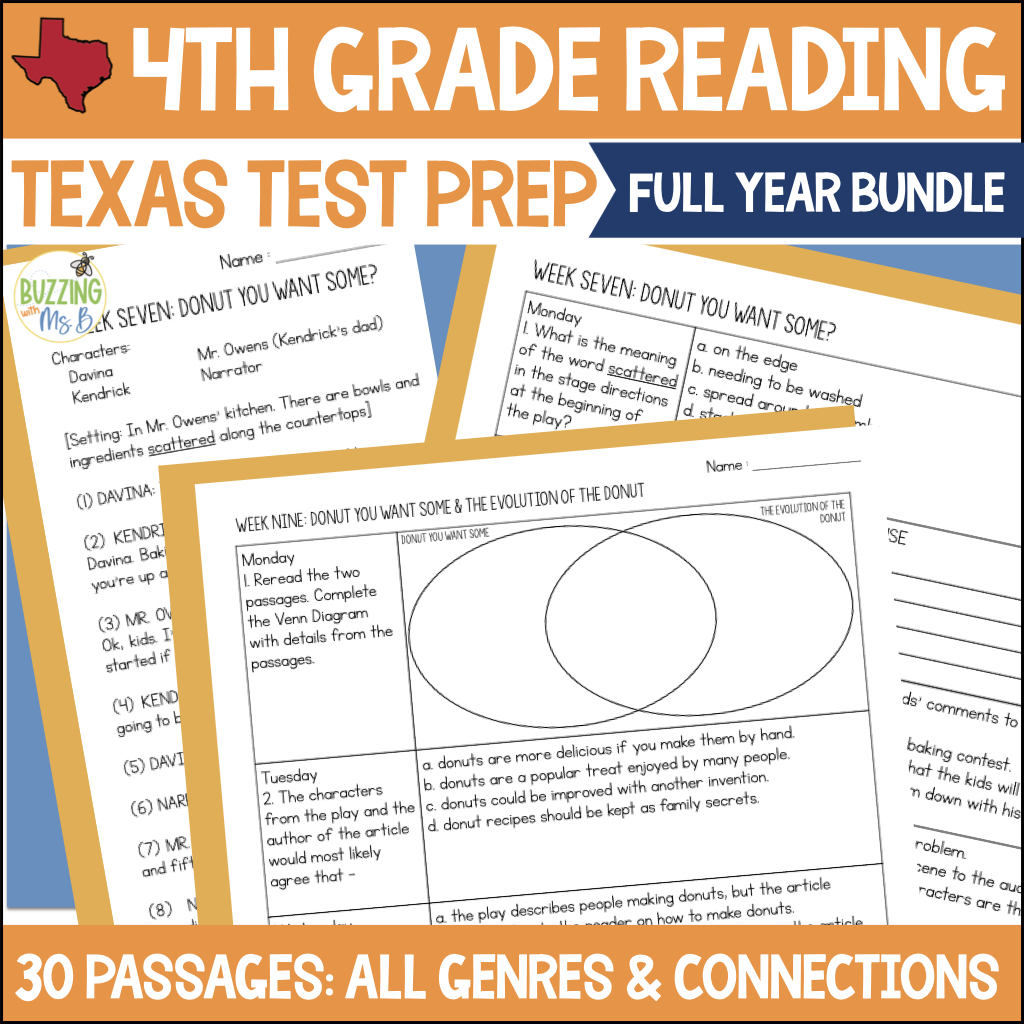
Looking for resources to help prepare your students for poetry and reading tests of all genres? I’ve got you covered!