
Fun and Effective Ways to Improve Reading Fluency in Upper Elementary

Are you noticing your students struggling with reading ease and confidence? Do you observe them stumbling over words, losing focus, and feeling frustrated? It’s time to help them unlock their fluency potential and master the art of reading. In this article, we will explore proven strategies and techniques that can assist your students in becoming skilled and efficient readers.
Reading fluency is more than just decoding words; it involves the ability to process and comprehend text effortlessly, enabling students to fully engage with the material and extract its meaning. By refining their reading skills, students can improve academic performance, increase their confidence, and develop a lifelong love for literature.
Why is Reading fluency important?
Understanding the importance of reading fluency is key to helping students become proficient readers. Fluency isn’t just about reading fast—it’s about reading accurately, with expression, and really understanding what’s being read.
- 1. Enhanced Comprehension: When students read fluently, they can focus more on understanding the meaning of the text rather than decoding individual words. This leads to improved comprehension and retention of information.
- 2. Building Confidence: Fluent readers feel more confident in their abilities, which positively impacts their overall attitude towards reading. This confidence encourages them to tackle more challenging texts and explore new genres.
- 3. Supports Vocabulary Development: Fluent readers encounter a wider range of vocabulary naturally while reading, which helps in expanding their word knowledge and language skills.
- 4. Promotes Engagement: Reading fluently allows students to engage more deeply with the content. They can visualize the story, make connections, and infer meaning more readily, leading to a richer reading experience.
- 5. Improves Academic Performance: Strong reading fluency correlates with academic success across subjects. When students can read fluently, they can access and understand complex academic texts more effectively.
In short, teaching reading fluency is essential for helping students read well, understand deeply, and enjoy reading!
Getting Started in the Classroom
- 1. Setting Goals for Reading Fluency
- Define clear and achievable goals for each student based on their current reading level.
- Use benchmarks and assessments to track progress toward fluency targets.
- Involve students in setting goals to increase motivation and ownership of their learning.
- 2. Tracking Fluency Progress
- Implement regular assessments, such as timed readings or fluency passages, to measure students’ reading rate and accuracy.
- Keep detailed records of fluency data to monitor growth over time.
- Use progress monitoring tools to identify areas of improvement and adjust instructional strategies accordingly.
- 3. Developing a Reading Routine
- Establish a consistent daily reading schedule that includes dedicated time for independent reading and guided practice.
- Incorporate fluency-building activities like choral reading, repeated readings, and reader’s theater into the routine.
- Encourage students to read at home and track their reading minutes to reinforce fluency development.
- 4. Choosing the Right Reading Materials
- Select age-appropriate texts that match students’ interests and reading abilities.
- Provide a variety of genres and formats to cater to diverse preferences and learning styles.
- Offer leveled books to support individualized instruction and promote successful reading experiences.
By implementing these strategies in your classroom, you can create a supportive environment that fosters reading fluency growth and motivates students to become confident and proficient readers.
Strategies for improving reading fluency
Interactive Read-Alouds for Fluency
Interactive read-alouds are a powerful tool for developing reading fluency in students. Bring books to life while modeling fluent reading. Encouraging active participation is key; educators can pause at strategic points to ask questions, make predictions, or discuss important story elements, inviting students to join in for repetitive phrases or key parts of the text.
Another benefit to using interactive read-alouds is enhancing comprehension by exploring vocabulary, story structure, and literary elements through open-ended questioning and discussions. Teachers can incorporate interactive activities such as using props, gestures, or visuals to make the story come alive, while also inviting students to act out scenes, retell the story, or create their own endings. Check out this post for more information: Read-Alouds: Unlocking the Secret to Proficient Readers
Follow-up activities are crucial for reinforcing fluency skills in students. One effective method is to have students reread parts of the text, either by copying sections or writing them out, emphasizing the use of expression and intonation during oral reading. This practice of repeated readings is essential for developing fluency, as it allows students to familiarize themselves with the text and gain confidence in their reading abilities. Encouraging students to reread passages multiple times helps to solidify their fluency development over time.
Encouraging students to revisit favorite read-alouds and engage in repeated readings can significantly enhance their reading fluency. Additionally, facilitating opportunities for students to practice reading aloud in pairs or groups can further strengthen their fluency development.
By leveraging interactive read-alouds effectively, educators can not only improve students’ reading fluency but also cultivate a deeper appreciation for literature and enhance overall comprehension abilities. You can check out this blog post for ideas for texts to use: Using Mentor Texts in Reading and Writing
Reader’s Theater: Engaging and Interactive Fluency Practice
Reader’s Theater is a dynamic strategy that promotes reading fluency through interactive, scripted performances. Students take on character roles and engage in dialogue, emphasizing expression and intonation. This activity not only improves fluency but also enhances comprehension and fosters a love for literature. To get started, you can access a free sample Reader’s Theater script that your students will enjoy acting out and reading aloud together.
Fluency Passages: Targeted Practice for Speed and Accuracy
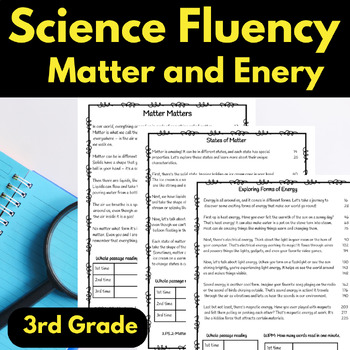
Fluency passages are an effective tool for developing reading fluency. These short readings are timed to encourage students to read at an appropriate pace while maintaining accuracy. By providing passages at varying difficulty levels, educators can tailor practice to meet individual student needs. Here are a few resources that integrate science and fluency:

Fluency Pyramids: Building Word Recognition and Speed
Fluency pyramids are structured exercises that involve repeated readings of a passage, gradually increasing speed and accuracy with each iteration. This method helps students build word recognition skills and improve overall reading fluency. By incorporating fluency pyramids into instruction, educators can effectively support students in becoming confident and proficient readers.
Partner Reading Activities: Collaboration and Peer Support
Partner reading activities promote fluency development while fostering collaboration and peer support in the classroom. Students take turns reading aloud to each other, providing feedback and encouragement. This interactive approach enhances fluency skills and strengthens relationships among classmates.
Fluency Games and Challenges: Engaging and Motivating Practice
Incorporating fluency games and challenges into lessons makes practice fun and motivating for students. Activities like timed reading races or fluency bingo encourage students to improve reading speed and accuracy while enjoying friendly competition. These games effectively reinforce fluency skills in an engaging way.
Using Poetry to Enhance Fluency: Exploring Rhythm and Expression
Poetry offers a unique opportunity to enhance reading fluency by focusing on rhythm, rhyme, and expressive reading. Students explore the musical qualities of language and practice reading aloud with emphasis on tone and pacing. By incorporating poetry into fluency instruction, educators can inspire students to become more confident and expressive readers. Check out this post for a great strategy for poetry: A poetry strategy that works for upper elementary
Common Obstacles to Reading Fluency
- Word Recognition Challenges: Difficulty in recognizing and decoding words can hinder fluency. Students may struggle with sight words, phonics rules, or decoding multisyllabic words.
- Lack of Vocabulary: Limited vocabulary knowledge can slow down reading as students pause to decipher unfamiliar words, impacting comprehension and fluency.
- Poor Reading Habits: Inconsistent reading routines or lack of exposure to diverse texts can impede fluency development.
- Lack of Confidence: Low self-esteem or fear of making mistakes while reading can inhibit fluency progress.
- Limited Fluency Practice: Insufficient opportunities for repeated reading or engaging in fluency-building activities can hinder improvement.
- Attention and Focus Issues: Difficulty sustaining attention or staying focused on the text can affect reading fluency.
- Language Barriers: Students learning English as a second language may face challenges with fluency due to language proficiency levels.
- Reading Anxiety: Anxiety related to reading aloud or performing in front of peers can negatively impact fluency skills.
Identifying these common obstacles is crucial for educators to effectively address and support students in overcoming challenges to reading fluency. By implementing targeted strategies and interventions, educators can help students build confidence, develop essential skills, and foster a love for reading.
How to Improve Reading Fluency at Home
- Read Aloud Together: Set aside time each day to read aloud with your child. Take turns reading paragraphs or pages, modeling fluent reading and emphasizing expression.
- Provide a Variety of Reading Materials: Offer a range of books, magazines, comics, or online articles that match your child’s interests and reading level. Encourage them to choose what they enjoy.
- Practice Regularly: Establish a consistent reading routine at home. Encourage your child to read independently every day, even if it’s just for a few minutes.
- Use Fluency-Building Techniques: Encourage your child to practice fluency-building techniques such as repeated reading. Have them read the same passage multiple times to improve speed and accuracy.
- Discuss What You Read: Engage in discussions about the text after reading. Ask questions to check comprehension and encourage critical thinking.
- Play Reading Games: Incorporate fun games like word hunts, sight word bingo, or charades using book characters to make reading practice enjoyable.
- Set Goals and Provide Encouragement: Help your child set achievable goals for reading fluency improvement. Celebrate milestones and offer praise and encouragement along the way.
- Use Technology Tools: Explore educational apps or websites that offer interactive reading activities and fluency practice exercises.
- Create a Reading-friendly Environment: Designate a cozy reading nook with good lighting and comfortable seating to make reading a pleasant experience.
- Model Reading: Be a role model by demonstrating your own love for reading. Let your child see you reading books or articles regularly.
By incorporating these strategies into your child’s daily routine at home, you can effectively support and enhance their reading fluency skills while nurturing a lifelong love for reading.

Embracing the Journey to Reading Fluency
As we conclude our exploration of reading fluency, it’s essential to celebrate the achievements made along the way. Each milestone reached, whether big or small, represents progress and growth in reading skills. By embracing the journey to reading fluency, we recognize the dedication and effort put forth by students and educators alike.
Celebrating fluency achievements fosters confidence and motivation, reinforcing the importance of continuous learning and improvement. Let’s continue to support one another in this journey, celebrating each step forward and empowering all learners to become proficient and confident readers. To read more about fluency, check out this blog post: 11 Powerful Ways to Supercharge Teaching Reading Fluency
Ready to use plays to build fluency? Grab these fun partner plays!

or grab them on TpT!


